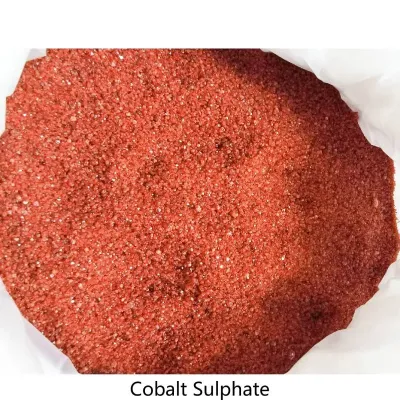
Basic Nickel Carbonate Industrial Powder, 45% Minimum Nickel for Catalyst and Chemical Processing Enquiries
-
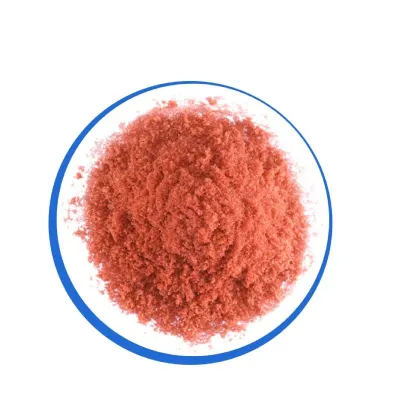
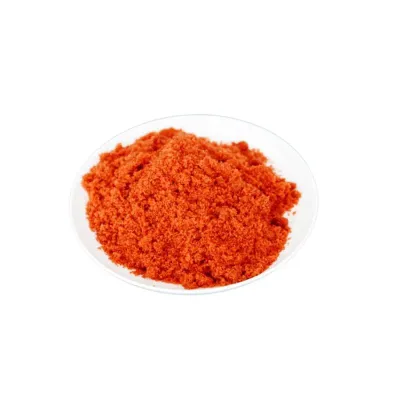
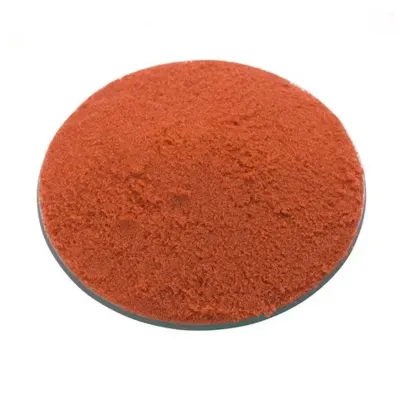
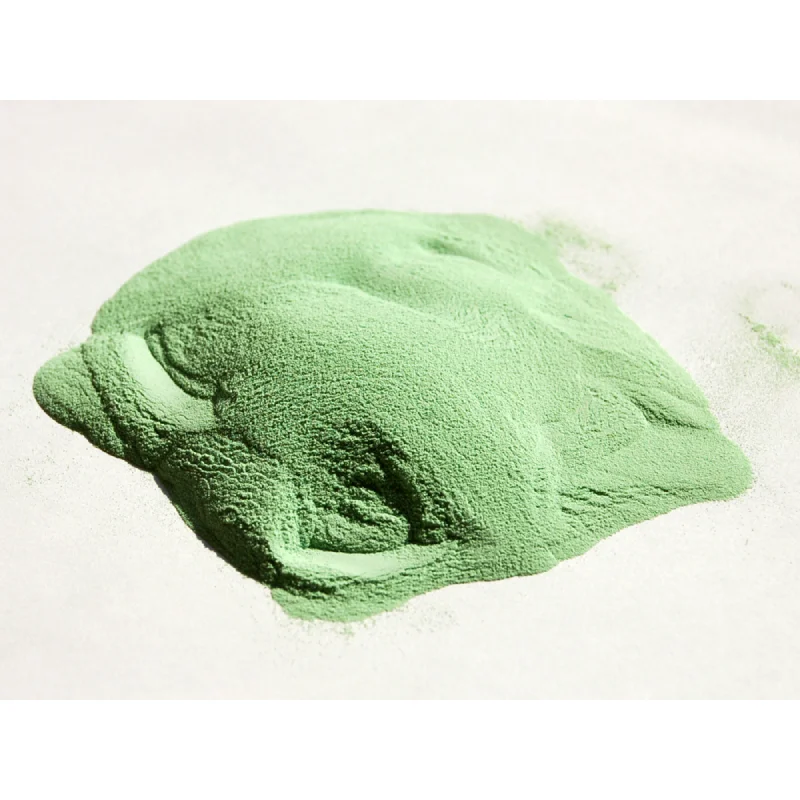
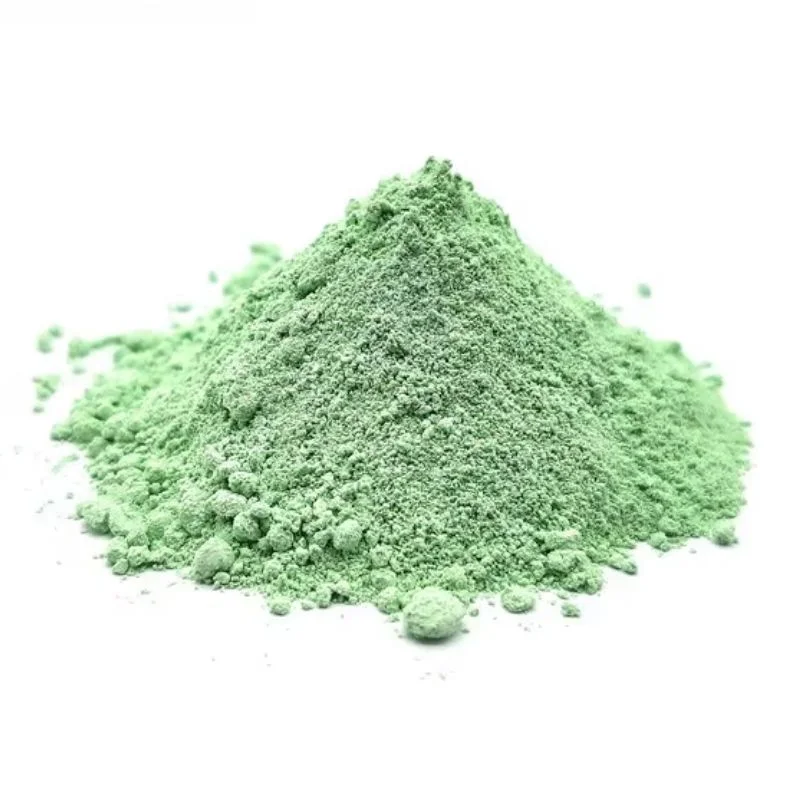
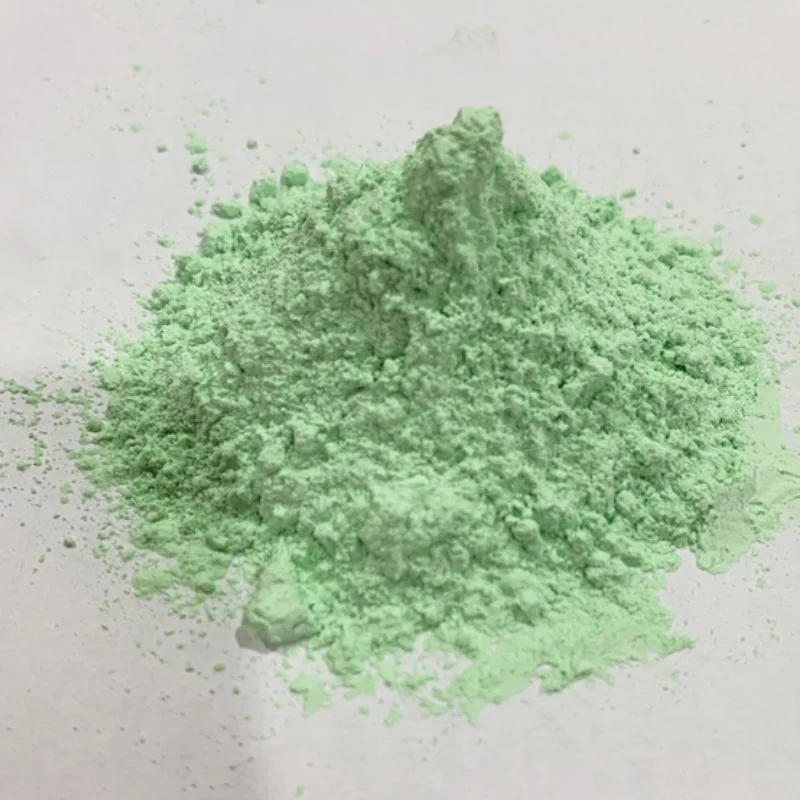
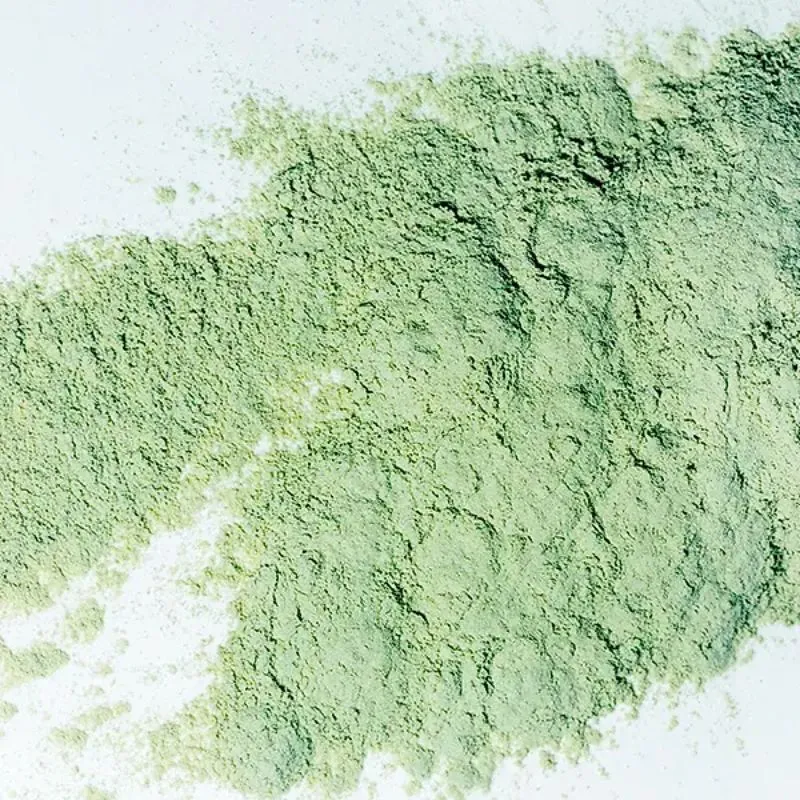
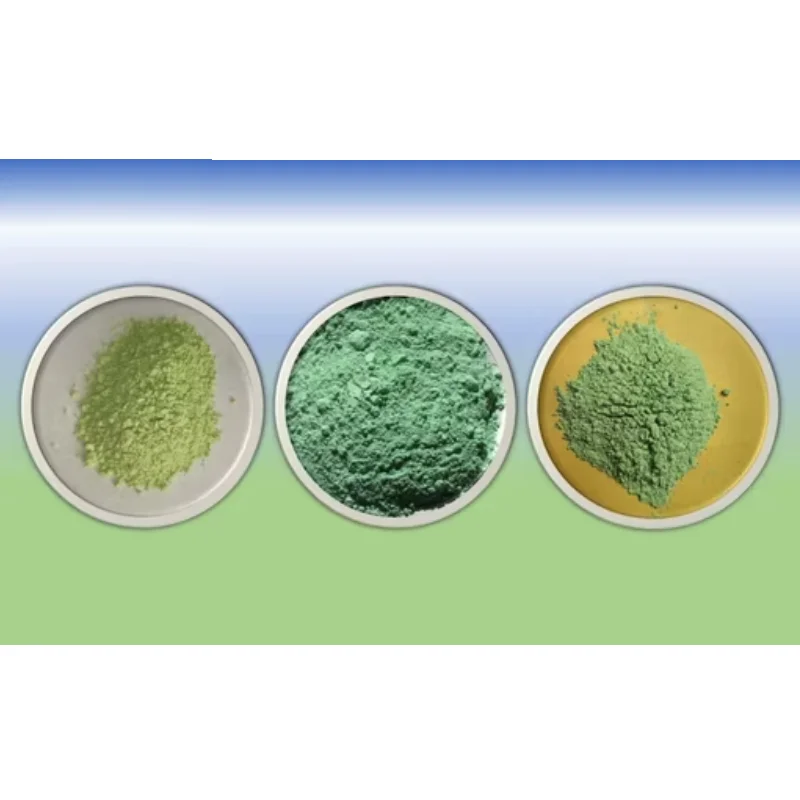
ColorLight greenPhysical formPowder
-
CAS No.12607-70-4Purity45%
-
AppearanceLight Green PowderApplicationBattery Materials, Catalysts, Electroplating Chemi
-
ClassificationCarbonateEINECS No.235-715-9
-
Grade StandardIndustrial GradeMolecular FormulaNiCO3*2Ni(OH)2*4H2O
-
Other NamesBasic Nickel Carbonate; Nickel Carbonate Basic; NiTypeNickel Carbonate
-
Product NameBasic Nickel CarbonateNickel Content45%-48%
-
DensityApprox. 3.5-4.0 g/cm³Water SolubilityInsoluble in Water
-
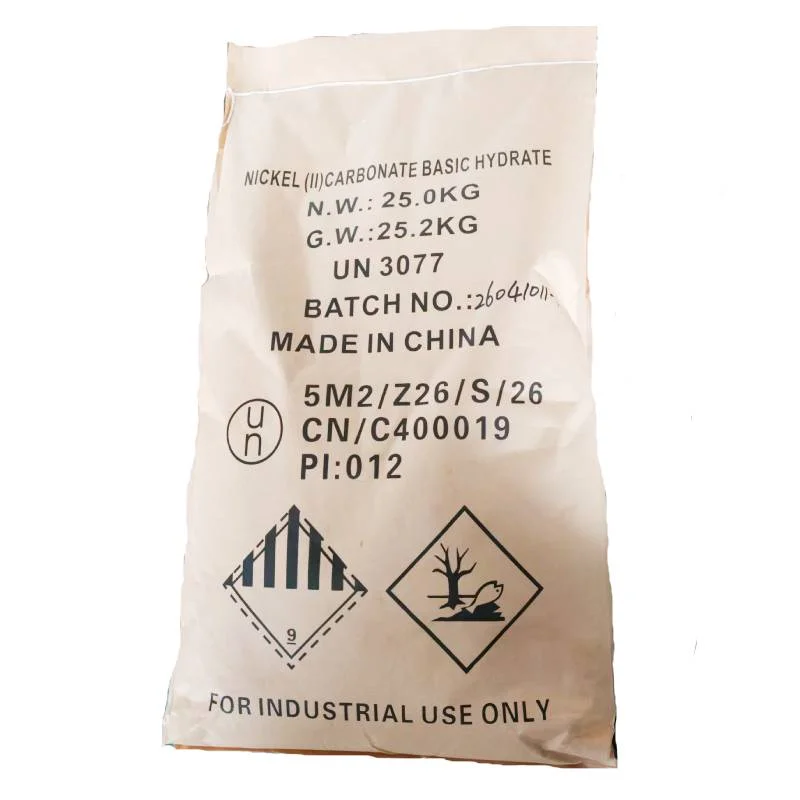
pH Value7.0-9.0Packing25kg PP Bag with PE Liner; 500kg/1000kg Jumbo Bag
-
HS Code2836999000Shelf Life24 Months
-
StorageStore in a Cool, Dry and Well-Ventilated PlaceSampleAvailiable
Catalyst-manufacturing and chemical-processing projects should define the actual basic nickel carbonate role before choosing a grade. This industrial light-green powder has a 45% minimum nickel designation and a reported 45–48% nickel-content range, with the actual offered composition to confirm.
Specify the nickel criterion and actual composition
Request current analysis and the analytical basis supporting the offered nickel-content commitment. Keep elemental nickel distinct from compound purity, and confirm exact composition, hydration and relevant impurity limits in matched product documents.
- Define the actual material role in the catalyst-manufacturing or chemical process.
- Set the chemical and physical acceptance criteria required by that role.
- Agree representative process and resulting-material tests before approving the offered grade.
Require process evidence rather than a broad quality label
A catalyst-manufacturing direction does not establish catalyst activity or a finished catalyst's performance. A chemical-processing direction also identifies no particular reaction or result, so qualify the actual proposed material use through representative evidence.
Confirm the physical and document bases for the grade
The approximate density range is 3.5–4.0 g/cm3, while water insolubility and product pH 7.0–9.0 need relevant methods and measurement conditions. Confirm the pH test concentration and avoid treating it as a process operating window.
Reconcile identifiers and obtain current technical, analysis and safety documents, including the cool, dry and well-ventilated storage direction and applicable shelf-life conditions. For this basic carbonate enquiry, compare the confirmed composition and physical criteria with the actual catalyst or chemical-process acceptance results.