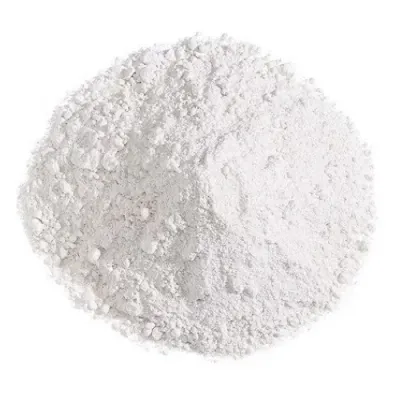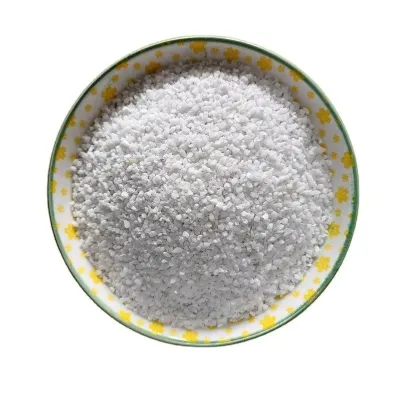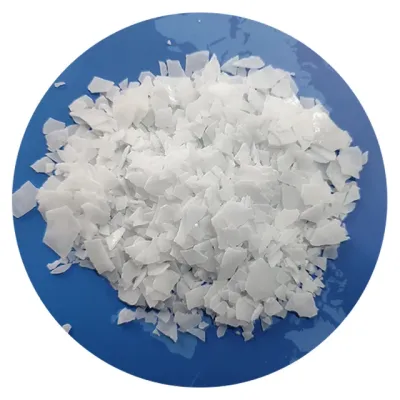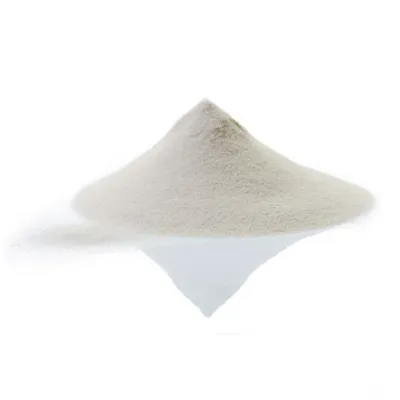
Industrial Calcium Hydroxide Hydrated Lime White Powder ≥93% for Water Treatment, Construction and Soil Assessment
-
ColorWhitePhysical formPowder
-
CAS No.1305-62-0Purity≥93%
-
AppearanceWhite powderApplicationFor Water Treatment,Construction,Soil, Improment
-
ClassificationCalcium HydroxideEINECS No.215-137-3
-
Grade StandardIndustrial GradeMolecular FormulaCa(OH)2
-
Other NamesHydrated Lime
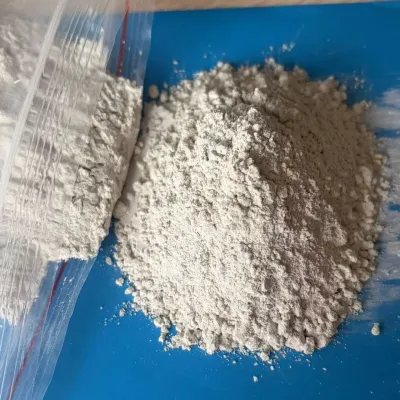
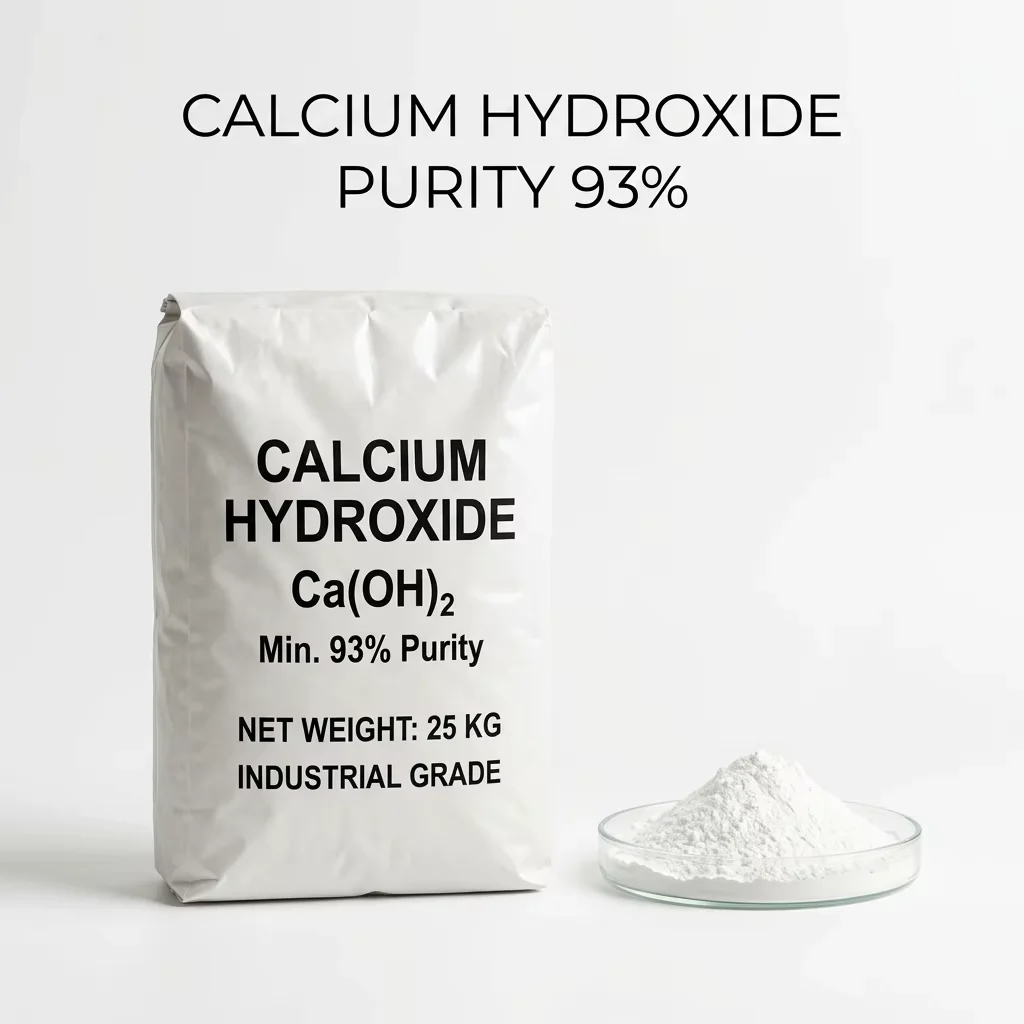
Different end uses require different acceptance questions for hydrated lime. This industrial calcium hydroxide Ca(OH)2 is described as white powder with stated purity ≥93%, for material assessment in water treatment, construction and soil-improvement applications.
Confirm the actual hydrated-lime grade
Request a current assay and relevant impurity data for the proposed sample. The ≥93% figure is a minimum rather than an exact analysis. Obtain particle or sieve measurements where physical grading matters; white powder alone does not define a mesh fraction or numerical whiteness value.
Qualify each proposed application on its own terms
For a water-treatment enquiry, provide the actual water and process requirements. For construction or soil-related assessment, identify the intended material role and applicable acceptance criteria. Agree representative evaluations rather than transferring a result from one application to another.
- Identify the proposed material and required chemical limits.
- Define the physical and end-use criteria relevant to the application.
- Keep the evaluation conditions and observations with the sample reference.
Establish the role before requesting specialised performance
Confirm any bleaching-related use with separate composition and application evidence. The calcium hydroxide identity and assay minimum do not establish verified bleaching or disinfecting capability, an operating dose or end-use approval.
Review current technical, analysis and safety documentation for the actual offered grade. Retain the matched reports with the application-specific evaluation so a later enquiry can identify the material assessed and the criteria used, without assuming a universal process result.