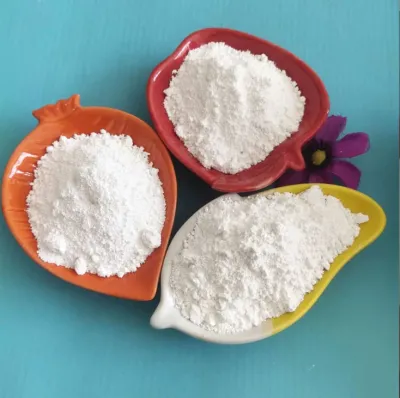
Heavy Activated Calcium Carbonate CaCO3, 96% Industrial Superfine Powder, 600–3000 Mesh for Plastic and Rubber Enquiries
-
Particle-size designationMesh designationColorWhite
-
Physical formPowder
-
CAS No.471-34-1Purity96%
-
Appearancewhite superfine powerApplicationPaint, Plastic, Rubber, Paper Making, Building
-
ClassificationCarbonateEINECS No.207-439-9
-
Grade StandardIndustrial GradeMolecular FormulaCaCO3
-
Other NamesActivated Calcium CarbonateTypeCalcium Carbonate
A carbonate comparison for plastic or rubber should begin with the compound that will be tested. This industrial heavy superfine activated calcium carbonate is white CaCO3 powder with stated purity of 96% and discrete mesh choices.
Describe the polymer trial before choosing a powder
Identify the polymer or rubber system, the proposed material role and the processing route. Agree on the acceptance measurements that will be used to judge the sample in that particular compound.
These details help frame a technical enquiry without assuming universal compatibility. A general application name does not establish dispersion, reinforcement or an appropriate replacement ratio.
Review activation and mesh as separate requirements
Ask for the surface-treatment declaration associated with the actual offered model. Activated describes the product designation, but does not identify the chemistry or quantity of a treatment.
The model labels are 600, 800, 1250, 1500, 2500, 2800 and 3000 Mesh. Obtain a particle report for the selected choice and confirm the measurement method instead of assigning an assumed micron value to the label.
Keep analytical evidence beside the compound result
Purity is stated at 96%, while moisture, oil absorption and the complete particle distribution need their own records where relevant. White appearance also supplies no quantified whiteness result.
Paint, papermaking and building are additional named contexts that require separate evaluations. For a polymer enquiry, compare the actual sample result with the agreed compound criteria and retain the current technical sheet, assay and treatment documents as the basis for selecting that model.