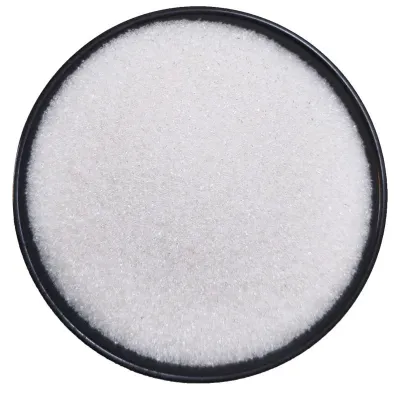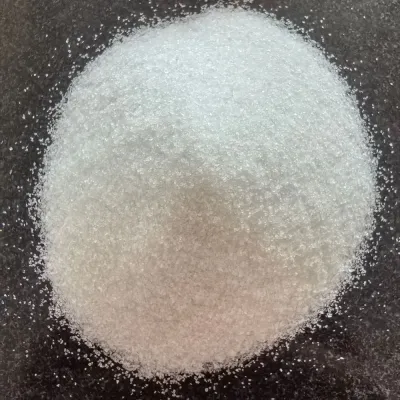
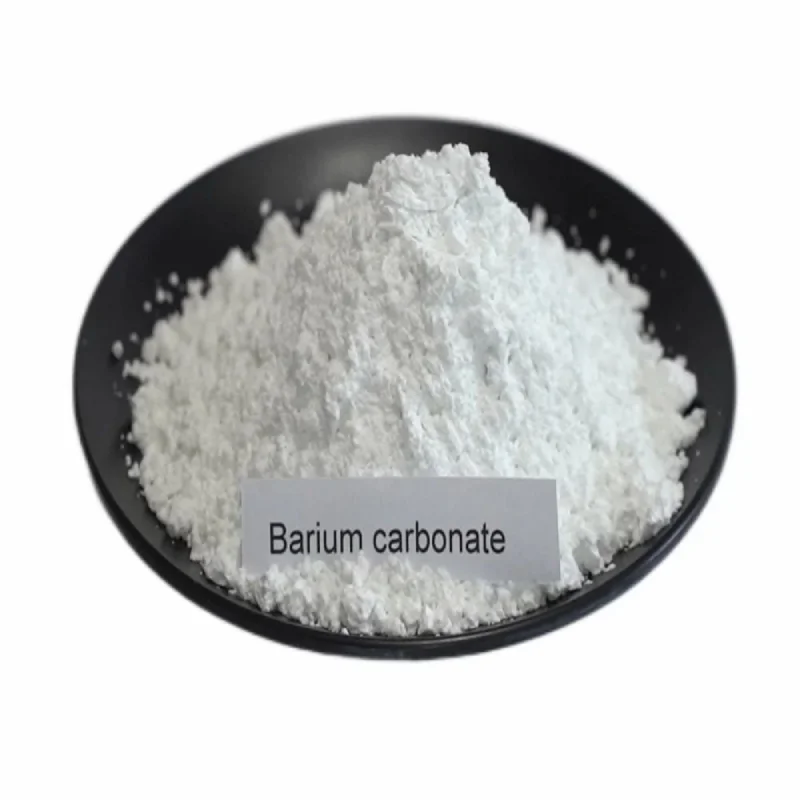
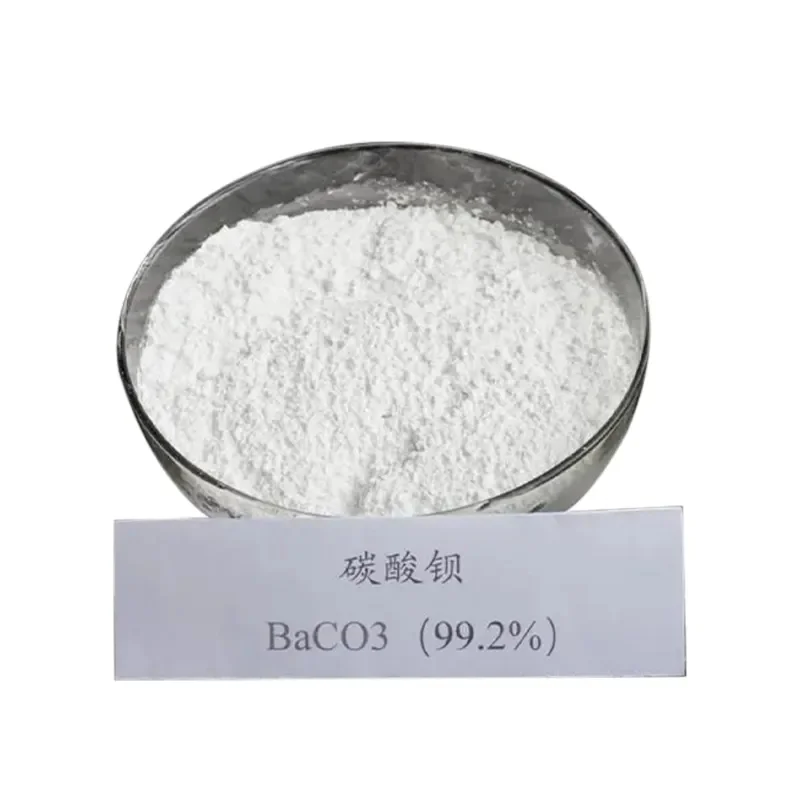
Industrial Barium Carbonate BaCO3 White Powder, 99.0% Purity, 325 Mesh, for Ferrite, Ceramic and Glass Evaluation
-
Particle-size designationMesh designationColorWhite
-
Physical formPowder
-
CAS No.513-77-9Purity99.0%
-
AppearanceWhite PowderApplicationCeramics, Glass, Ferrite, Electronic Industry, Ceramics, Glass, Ferrite, Electronic Industry, Enamel
-
ClassificationCarbonateEINECS No.208-167-3
-
Grade StandardIndustrial GradeMolecular FormulaBaCO3
-
Other NamesCarbonic Acid Barium SaltTypeBarium Carbonate
-
Product NameBarium CarbonateDensity4.43 g/cm³
-
Melting Point811°C (Decomposes)SolubilityInsoluble in Water
-
Particle Size325 MeshStorageCool, Dry and Well-Ventilated Place
-
Shelf Life24 MonthsPackaging25kg PP Woven Bag / 1000kg Jumbo Bag
-
SampleAvailable
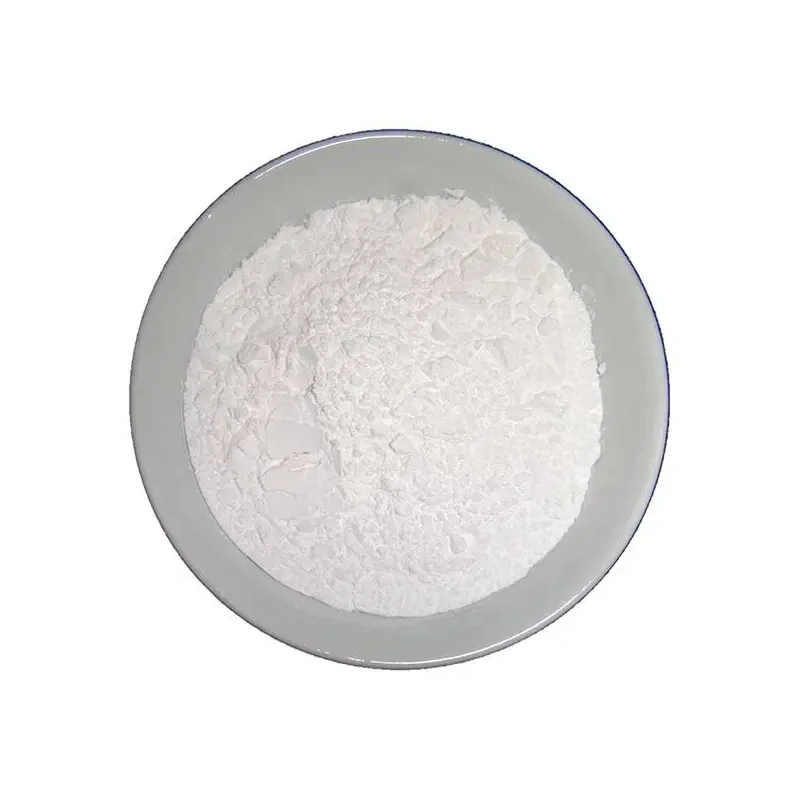
A low-iron requirement should be expressed as a measured acceptance limit before a carbonate grade is selected. This industrial white barium carbonate has 99.0% purity, a 325-mesh designation and density of 4.43g/cm³ for ferrite, ceramic and glass evaluation.
Make the iron requirement measurable
Request current iron and other required impurity results alongside the chemical assay. A low-iron description does not supply a numerical specification, so agree the accepted limits for the actual ferrite, ceramic or glass project.
Define the powder and thermal reports
Confirm the mesh standard and obtain a full particle-distribution report with methods. Ask for clearly defined thermal data relevant to the intended process, instead of turning a general material descriptor into a melting or firing instruction.
- Raw-material profile
- Review current assay, impurities and measured particles.
- Process profile
- Define the actual ceramic, glass, ferrite or enamel qualification tests.
Use the sample to answer the process question
Samples are available, with terms and current technical documents to be confirmed. Obtain the relevant storage and shelf-life conditions and agree how the offered powder will be assessed in the intended process.
The powder is described as insoluble in water, but that property does not establish an application approval or process-performance result. Include the required impurity limits and trial brief in the enquiry so the BaCO3 comparison rests on documented grade properties and relevant evaluation evidence.