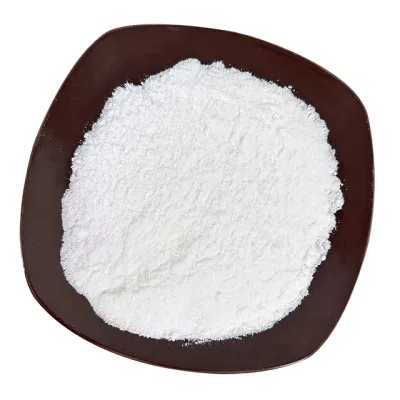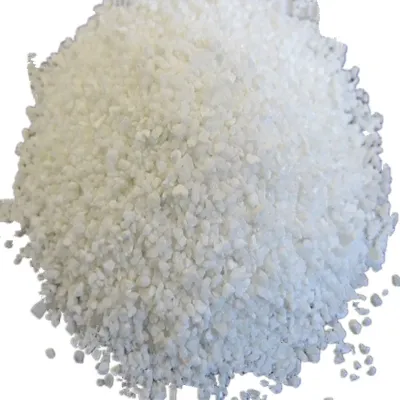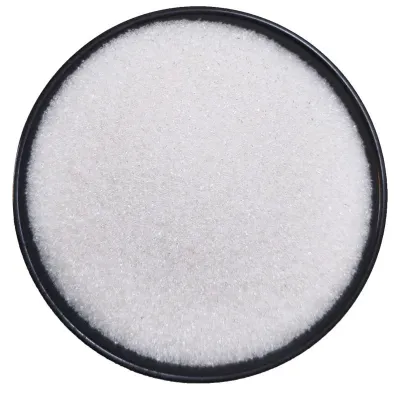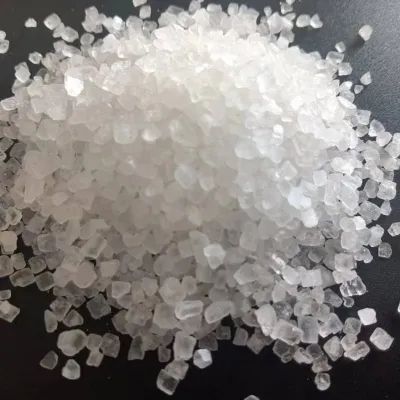
Industrial Barium Carbonate BaCO3 White Powder, 99.0% Purity, for Brick, Tile and Ceramic-Body Trials
-
Particle-size designationMesh designationColorWhite
-
Physical formPowder
-
CAS No.513-77-9Purity99.0%
-
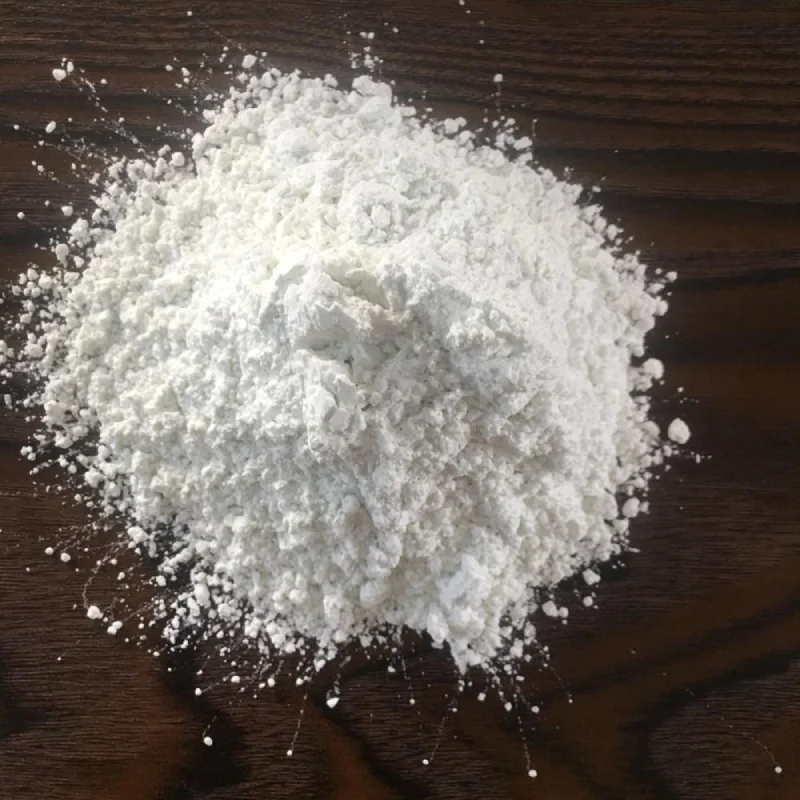
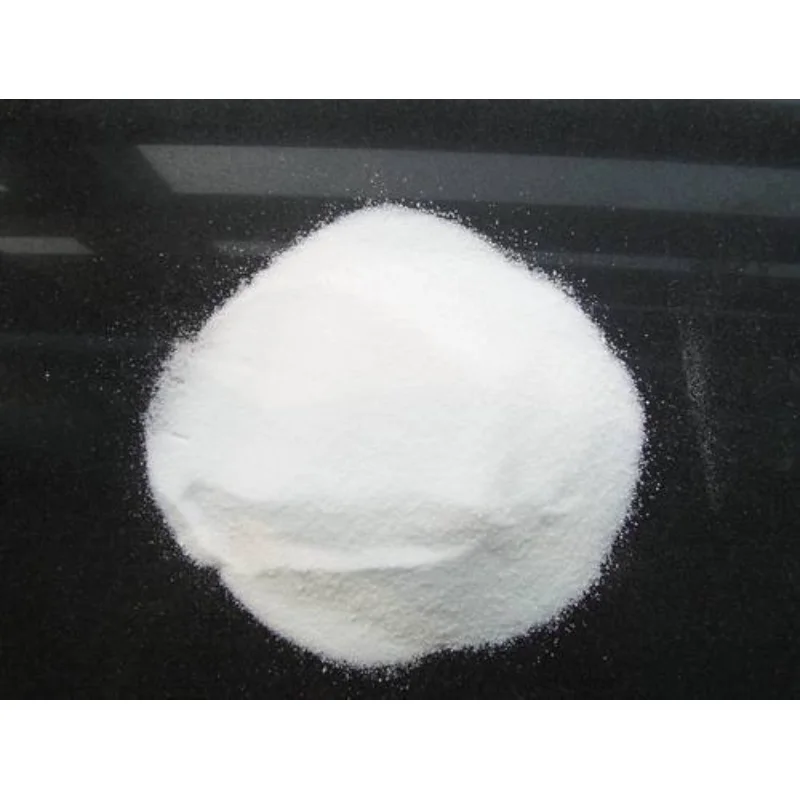
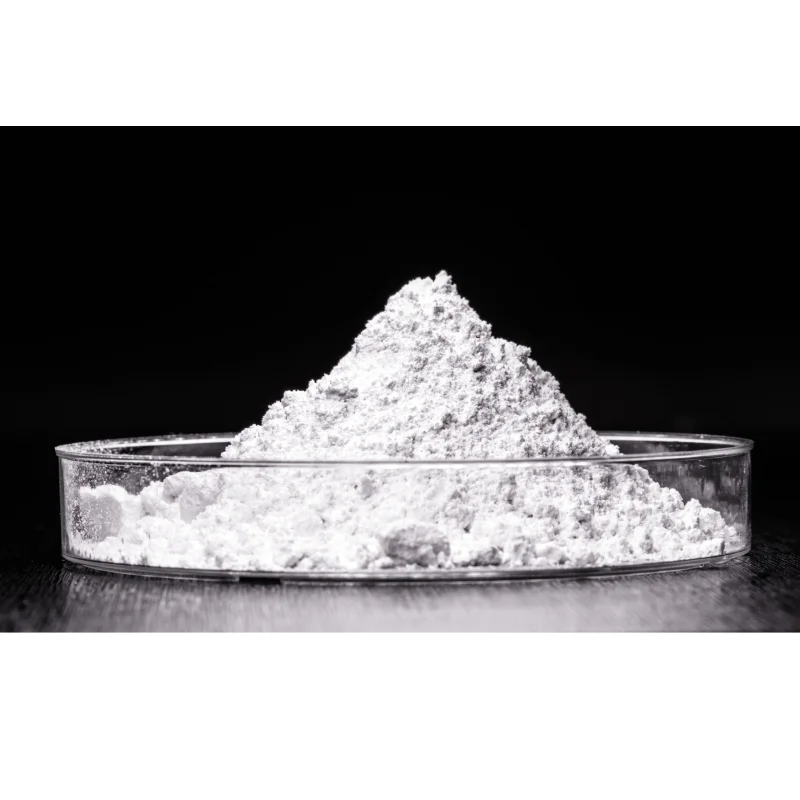
AppearanceWhite PowderApplicationCeramics, Glass, Ferrite, Electronic Industry, Ceramics, Glass, Ferrite, Electronic Industry, Enamel
-
ClassificationCarbonateEINECS No.208-167-3
-
Grade StandardIndustrial GradeMolecular FormulaBaCO3
-
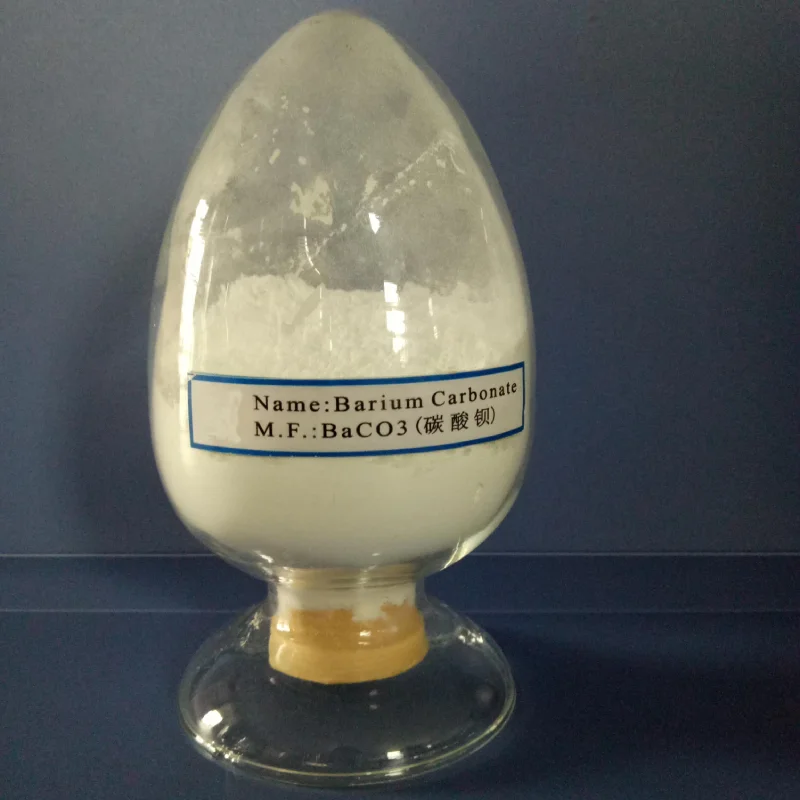
Other NamesCarbonic Acid Barium SaltTypeBarium Carbonate
-
Product NameBarium CarbonateDensity4.43 g/cm³
-
Melting Point811°C (Decomposes)SolubilityInsoluble in Water
-
Particle Size325 MeshStorageCool, Dry and Well-Ventilated Place
-
Shelf Life24 MonthsPackaging25kg PP Woven Bag / 1000kg Jumbo Bag
-
SampleAvailable
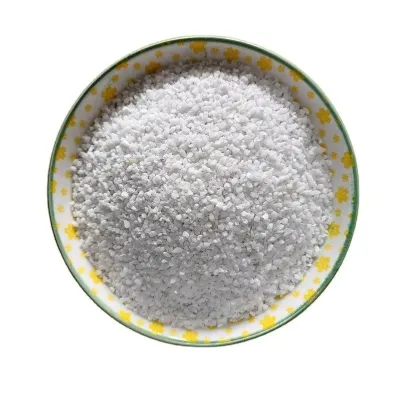
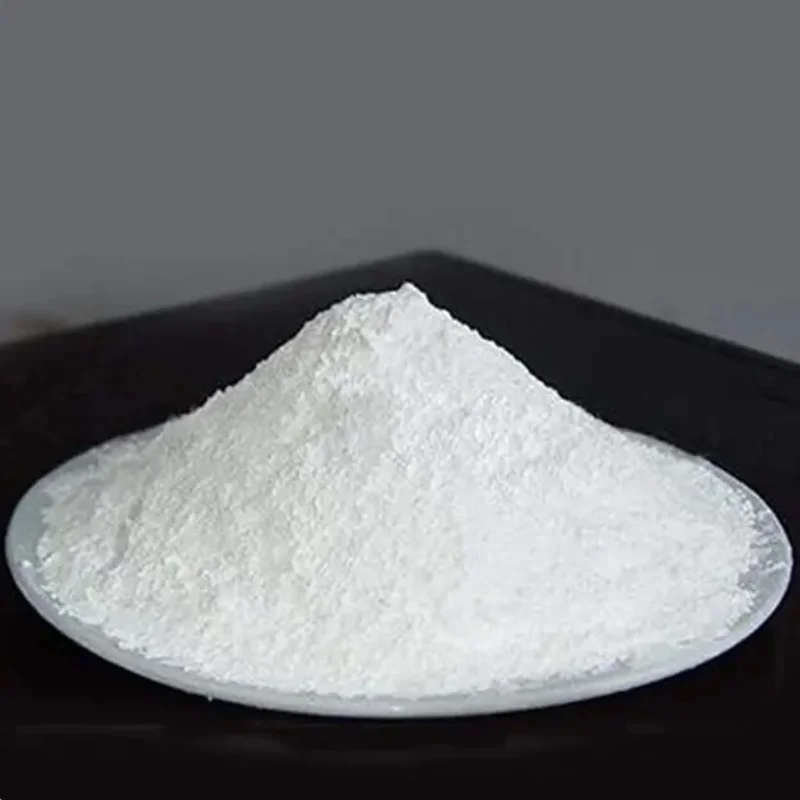
The useful question for a brick or tile producer is how an offered carbonate will be evaluated in the actual body composition. This industrial white BaCO3 powder carries a 99.0% purity description, 325-mesh designation and density of 4.43g/cm³ for material screening.
Start with the actual brick or tile body
Describe the intended composition and the measurements that determine acceptance. The application direction supports a material enquiry, but it does not specify a dosage or establish a result in every brick, tile or ceramic body.
Read the powder grade before designing the trial
Request current assay and individual impurity results, then confirm the mesh standard and measured particle distribution. Obtain a whiteness result with its method if powder colour is part of the purchasing requirement, rather than treating white appearance as a complete optical qualification.
- Identify the required body-material properties and accepted measurements.
- Match the offered powder reports to those requirements.
- Agree the relevant sample trial and how its outcome will be assessed.
Ask for defined thermal and retention conditions
Obtain material thermal data with a clear definition and test conditions before discussing the process. Confirm current storage and shelf-life requirements; a general carbonate description cannot supply a firing schedule or a guaranteed operating temperature.
Samples are available, with terms and the accompanying technical documents to be confirmed. Include the intended body and acceptance brief in the enquiry so the powder comparison answers an actual production question without assuming defect reduction, universal compatibility or a finished-body improvement.