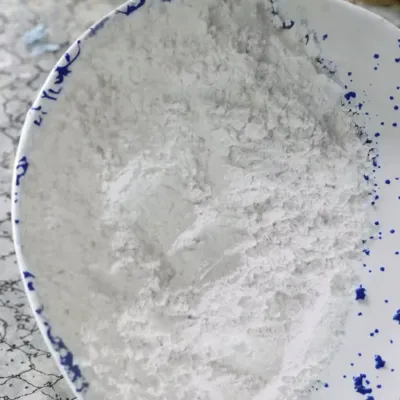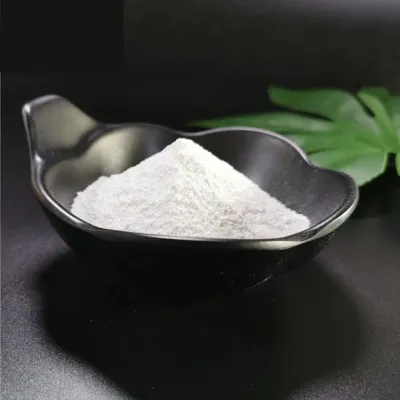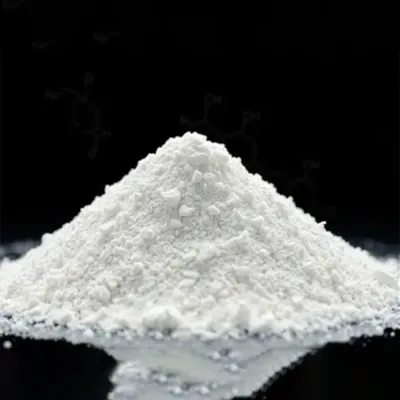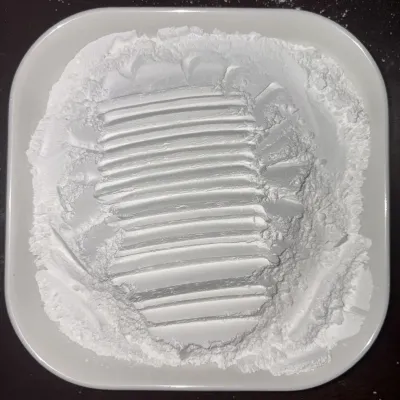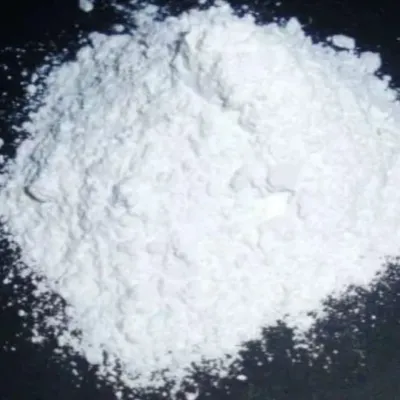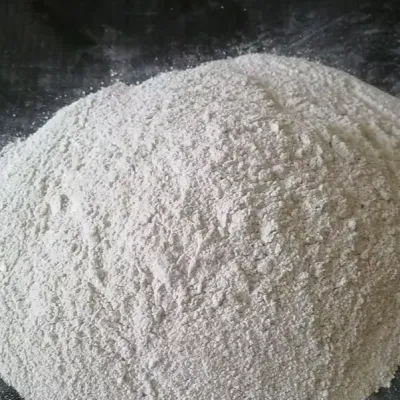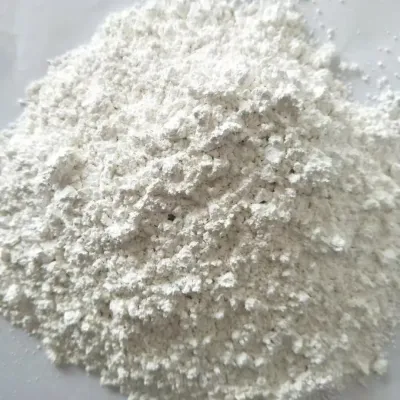
Industrial Barium Sulfate Barite, 92% Purity, White Crystal Powder or Lump, for Plastic Evaluation
-
ColorWhitePhysical formLumps , Crystalline , Powder
-
CAS No.7727-437Purity92%
-
Appearancecrystal powder or lumpApplicationFood additive
-
ClassificationSulphateEINECS No.232-055-3
-
Grade StandardIndustrial GradeMolecular FormulaBaSO4
-
Other NamesBarium Sulfate, BaSO4TypeBarium Sulfate
-
Product nameBarium Sulphate BaSo4GradeIndustral Grade
-
Package25kg/bagUsagePlastic
-
ColorPure WhiteMOQ1 Ton
-
CertificationISO9001
The actual supplied form matters when moving from a mineral enquiry to a plastics trial. This industrial barium sulfate barite has 92% purity and a pure white crystal-powder-or-lump appearance description, with the offered form needing confirmation before evaluation.
Confirm identity and the offered material form
Request current chemical identification and assay documents for the material being offered. Establish whether the supply is powder or lump and obtain the relevant measured specification, rather than assuming that a broad appearance description defines a ready-to-use polymer filler.
Build a polymer-specific powder requirement
Identify the intended plastic and processing conditions, then request unit-defined particle data and any surface treatment information. Ask for measured whiteness with its method, because pure white appearance does not establish a particular optical result in the finished plastic.
- Material acceptance
- Agree the chemical limits and actual physical form.
- Formulation acceptance
- Measure the properties required in the intended polymer system.
Keep food and certificate qualification explicit
An industrial 92% purity value does not establish food-additive suitability. Obtain relevant end-use qualification documents if that application is being considered, and request applicable ISO9001 certificate scope whenever certification is a purchase requirement.
Include the actual form and target plastic requirements with the technical enquiry. Current identification, a defined material report and a relevant polymer trial provide a practical selection basis without an assumed food approval or universal compatibility claim.