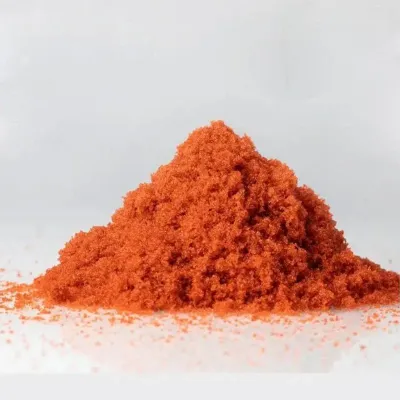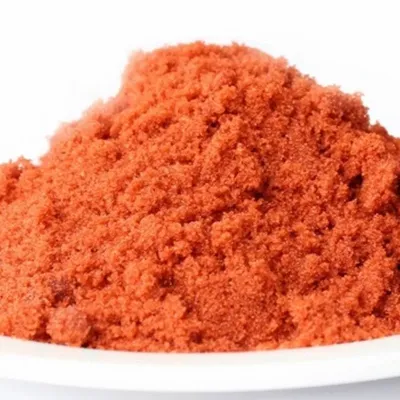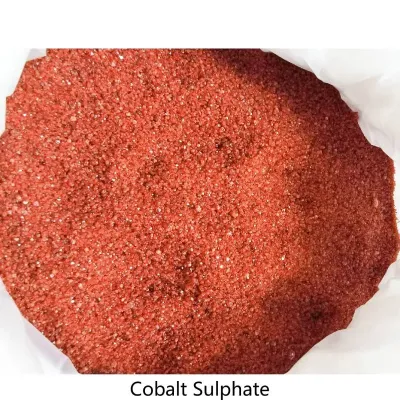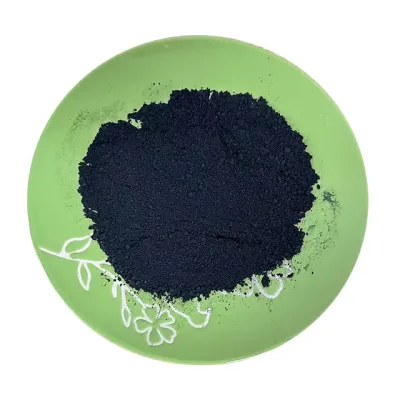
Industrial Cobalt Oxide Black Powder for Catalyst and Specialty-Chemical Material Enquiries, TY-Cobalt Oxide
-
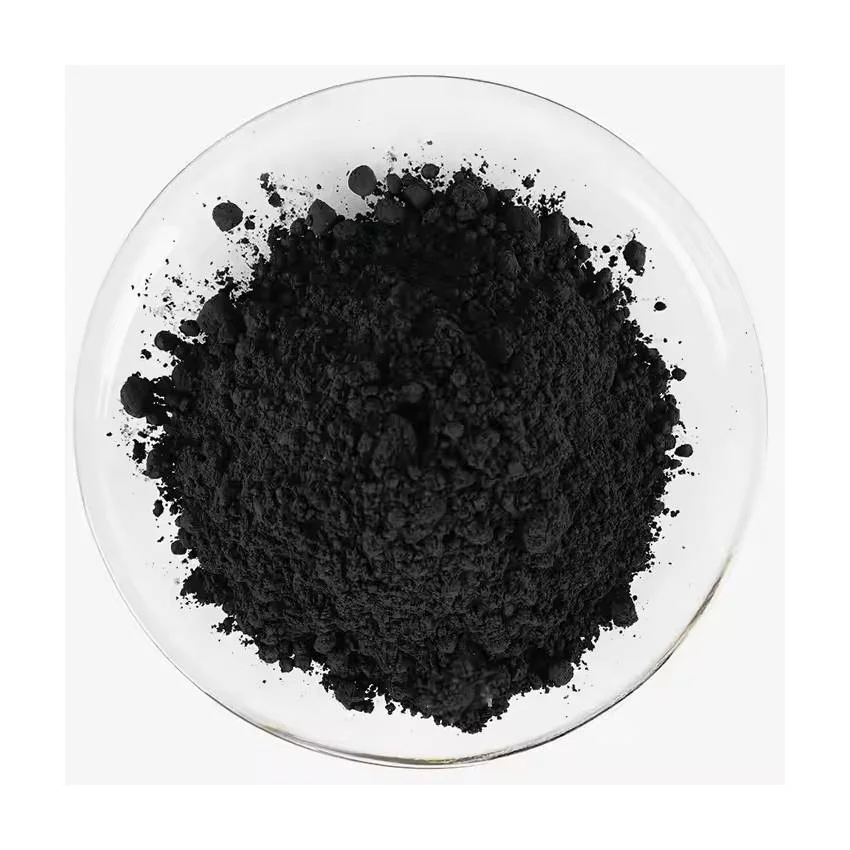
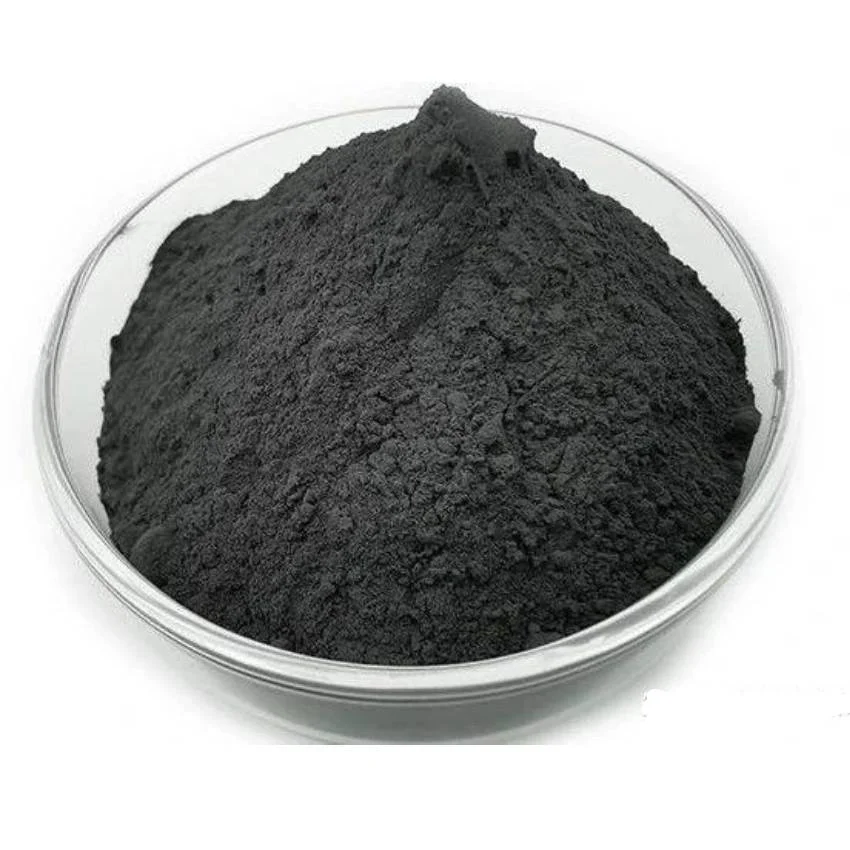
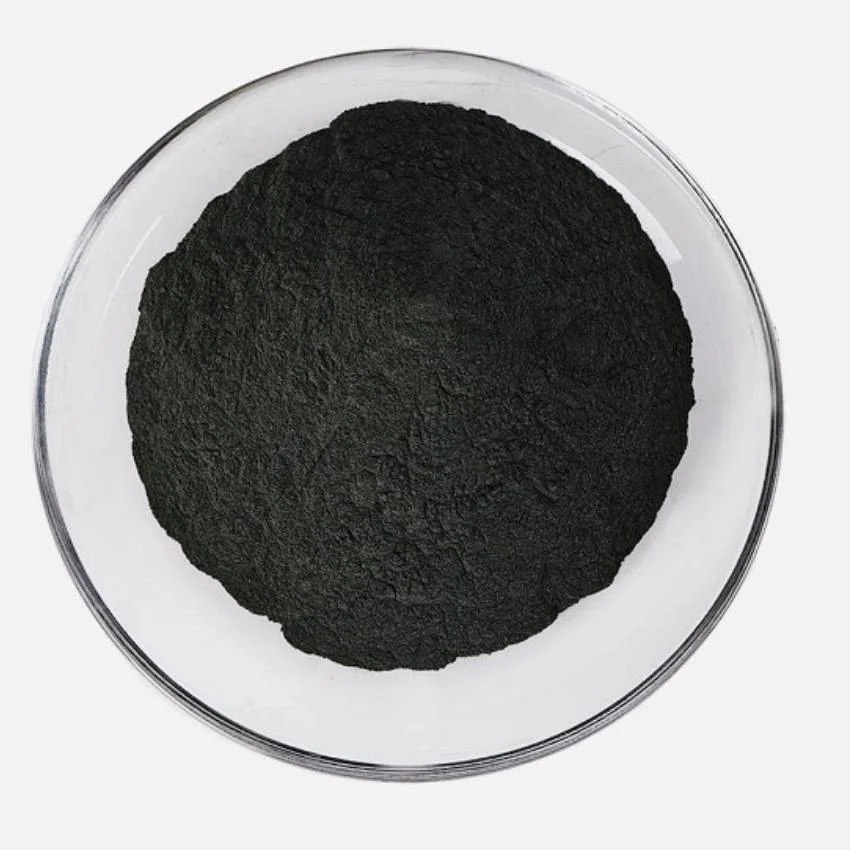
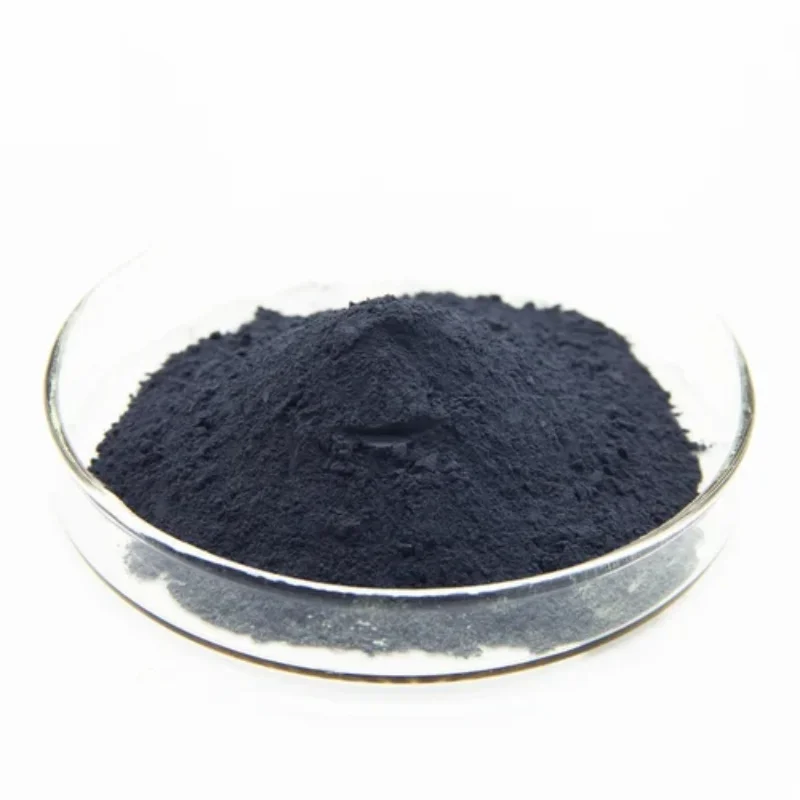
ColorBlackPhysical formPowder
-
CAS No.1307-96-6Purity99%
-
AppearanceBlack PowderApplicationLithium Battery Materials, Ceramic Pigments, Glass
-
ClassificationCobalt OxideEINECS No.215-154-6
-
Grade StandardIndustrial GradeMolecular FormulaCoO
-
Other NamesCobalt Monoxide / Cobalt TetroxideOxide TypeMetal Oxides
-
Molecular Weight74.93SolubilityInsoluble in Water
-
Density6.44 g/cm³MOQ1 MT
-
Packaging25kg Bag, 500kg Bag, 1000kg Jumbo BagSupply Ability500 MT per Month
-
SampleAvailableCertificateISO, COA, MSDS
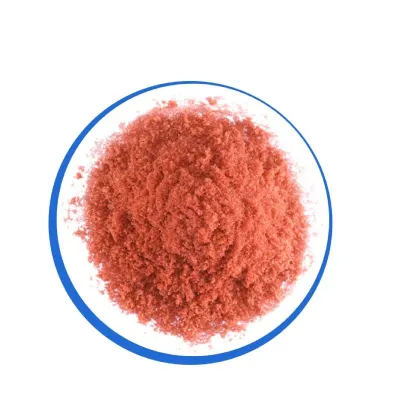
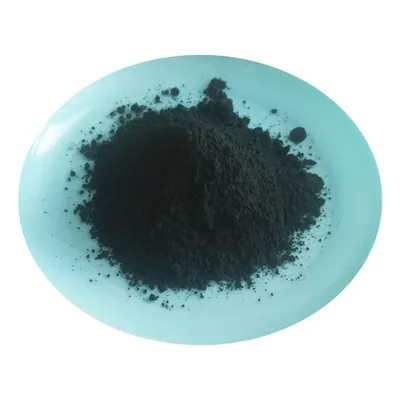
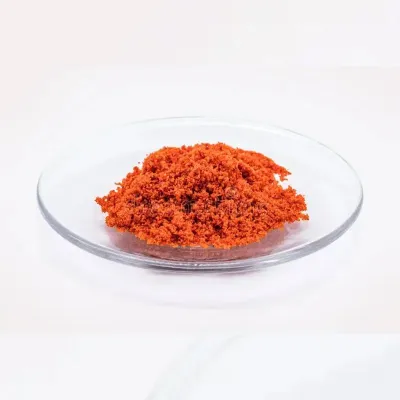
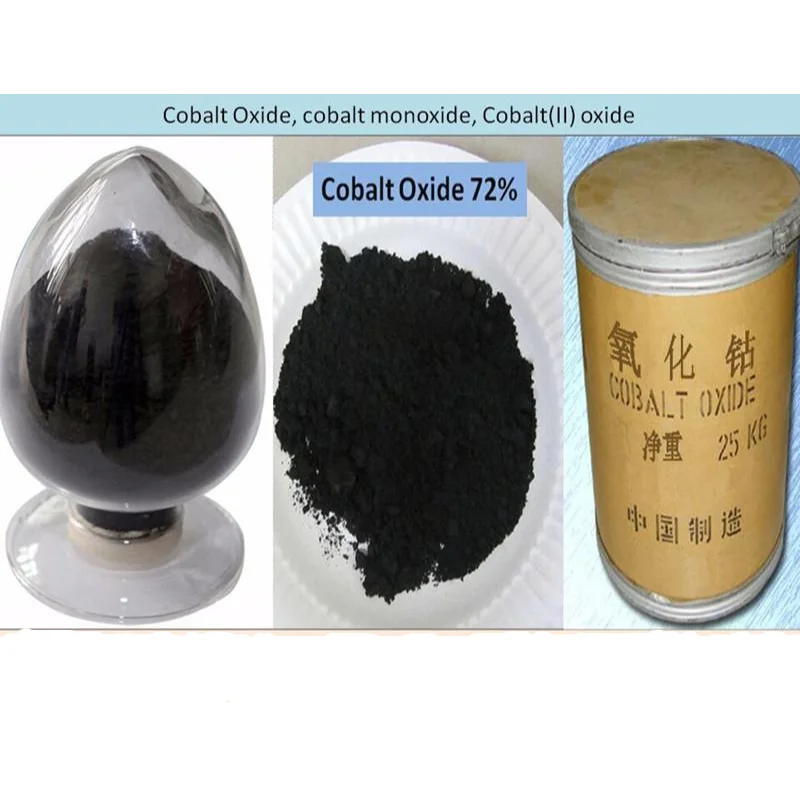
A catalyst or specialty-chemical enquiry needs a stated process duty before a cobalt-oxide grade can be chosen. TY-Cobalt Oxide is identified as an industrial cobalt-oxide family material described as black powder, supporting an initial request for identity and grade evidence.
State the actual catalyst or specialty-material duty
Describe the intended process and the material measurements required for acceptance. A general catalyst direction does not establish a particular reaction function, activity level or compatibility, so the project needs its own requirements and relevant qualification record.
Obtain phase evidence before comparing analysis
Request actual-phase identification linked to the offered TY-Cobalt Oxide sample. The family name does not settle the particular oxide phase, and current assay and impurity measurements should be evaluated on the basis of that confirmed identity.
- Identify the actual model, phase and sample reference.
- Review phase-specific chemistry and required powder measurements.
- Compare the relevant process trial with the project’s acceptance criteria.
Keep application directions distinct from activity claims
Lithium battery materials, ceramic pigments and glass are also stated enquiry directions. Each needs separate qualification evidence; neither those use labels nor black appearance establishes catalytic activity or a finished-process result.
Specify the missing identity and process questions when requesting an available sample. Agree terms and obtain current technical and safety information and any relevant ISO scope. A phase-specific catalyst recommendation should follow actual material and process evidence, without assuming a high-purity grade advantage or supplying an unsupported reaction recipe.