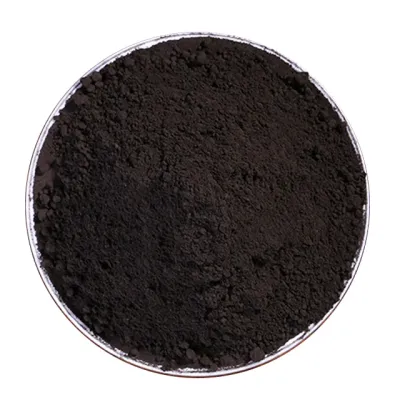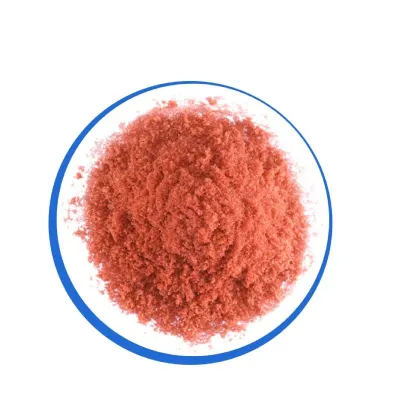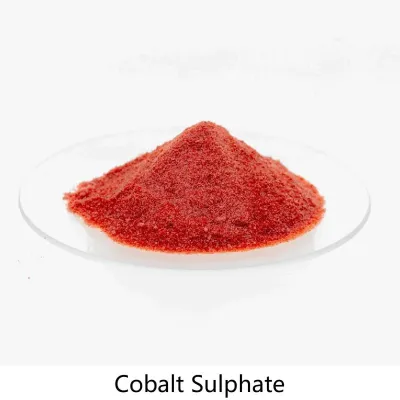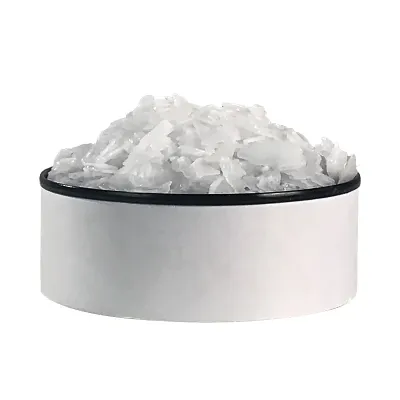
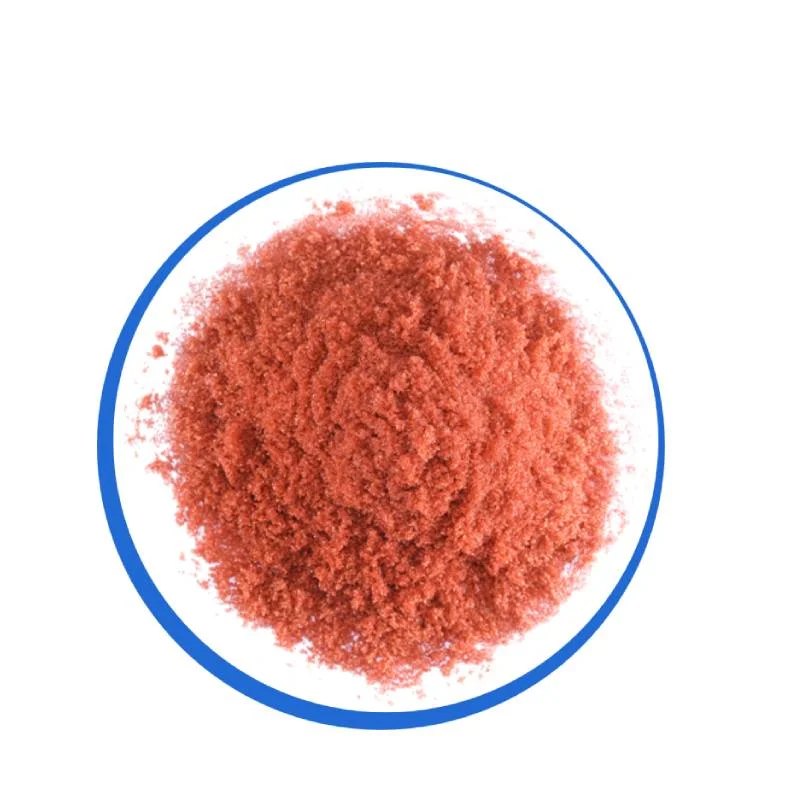
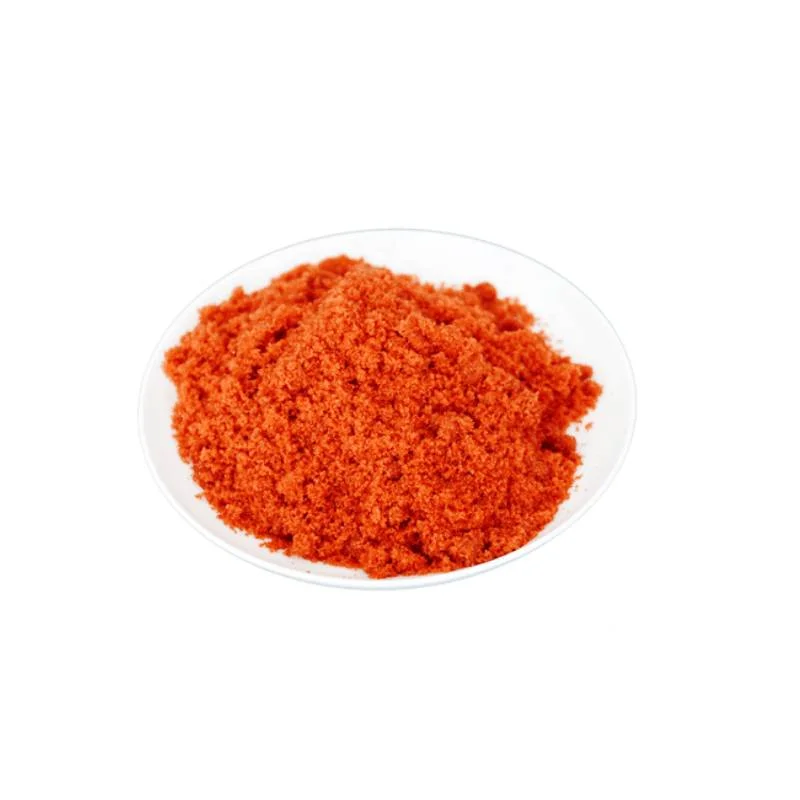
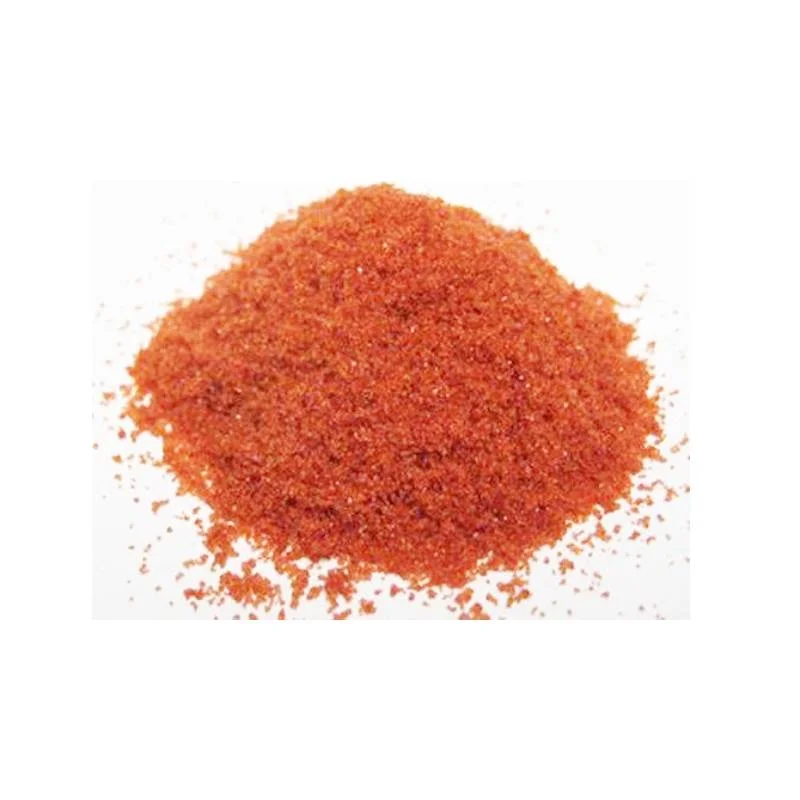
Industrial Cobalt Sulphate Heptahydrate, Co 21%, for Rechargeable-Battery Electrode and Chemical Material Trials
-
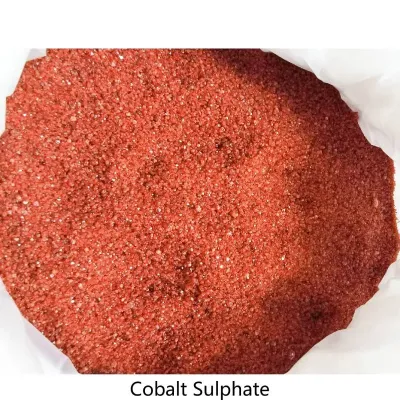
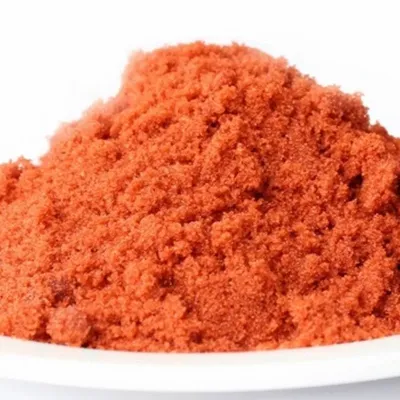
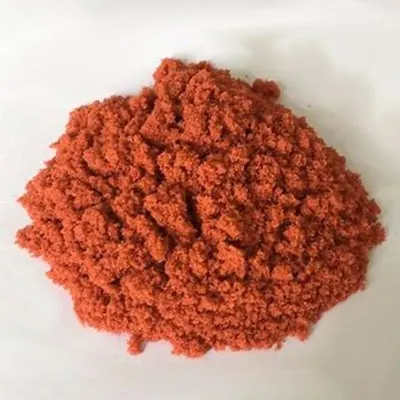
ColorRed-brown
-
CAS No.10026-24-1PurityCo 21%
-
AppearanceRed-brownApplicationcobalt salt, Lithium battery, Electroplating, Catalyst, Pigment and ceramic
-
ClassificationSulphateEINECS No.600-050-9
-
Grade StandardIndustrial GradeMolecular FormulaCoSO4*7H2O
-
Other NamesCobalt Sulfate Heptahydrate, Cobalt sulfate, Sulfuric acid cobalt saltTypeCobalt Sulfate
-
Hs code28332990SolubilityEasily soluble in water
-
pH Value3.5 -5.5 (5% solution)DensityApprox. 1.95 g/cm³
-
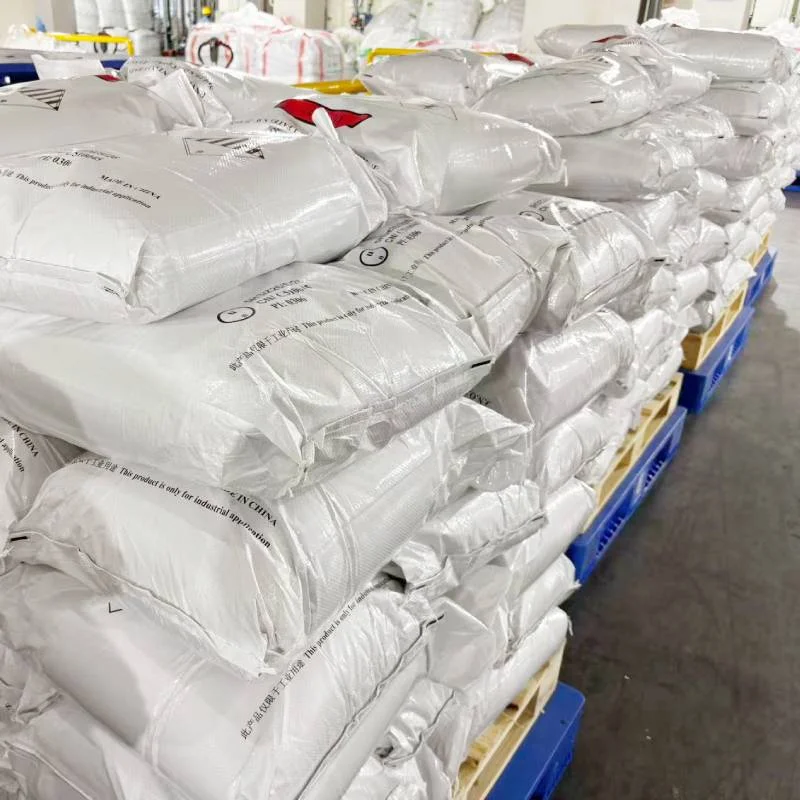
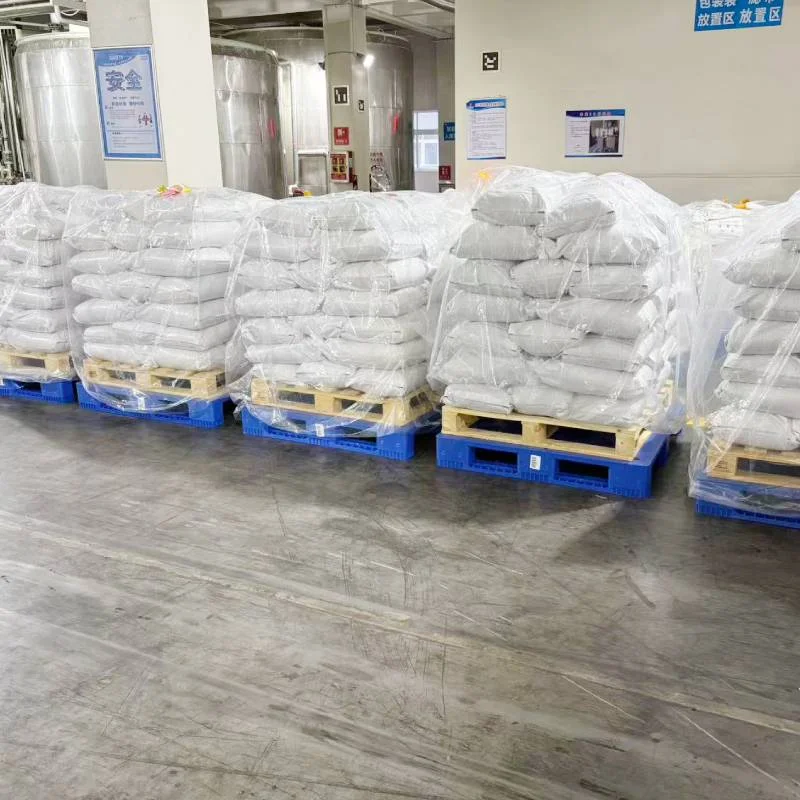
Molecular Weight281.10Packing25kg bag or 1000kg jumbo bag
-
StorageStore in a cool, dry place, away from moistureShelf Life2 Years
Battery-electrode and chemical-material enquiries need the cobalt salt, hydrate and analysis basis to be clear. TY-Cobalt Sulfate Heptahydrate is industrial CoSO4*7H2O, described as red-brown and easily soluble in water, with stated cobalt content Co 21%.
Read Co 21% as elemental cobalt content
The cobalt figure is not a claim that the compound has 21% purity. Request current analysis with its reporting basis, confirmation of the offered heptahydrate grade and individual impurity results relevant to the actual battery or chemical material requirement.
Retain the condition attached to the solution pH
The stated pH is 3.5–5.5 for a 5% solution, rather than a process operating window. The reported density is approximately 1.95g/cm³; ask for the associated methods and sample conditions before comparing these measurements with a purchasing specification.
- Material evidence
- Actual-model cobalt analysis, hydrate confirmation and the required individual impurity measurements.
- Application evidence
- The intended process and relevant qualification results against agreed acceptance criteria.
Qualify the electrode or chemical use independently
Lithium battery, electroplating, catalyst and pigment/ceramic are stated material directions. The salt identity and cobalt content do not establish electrochemical performance, plating quality or catalytic activity, so each application needs its own relevant trial.
The stated storage direction is a cool, dry place away from moisture. Identify the actual model and requested analytical record when enquiring about appropriate sample evidence, and obtain current safety and technical information. Keep the grade decision tied to the conditioned measurements and actual process qualification rather than an assumed finished-application result.