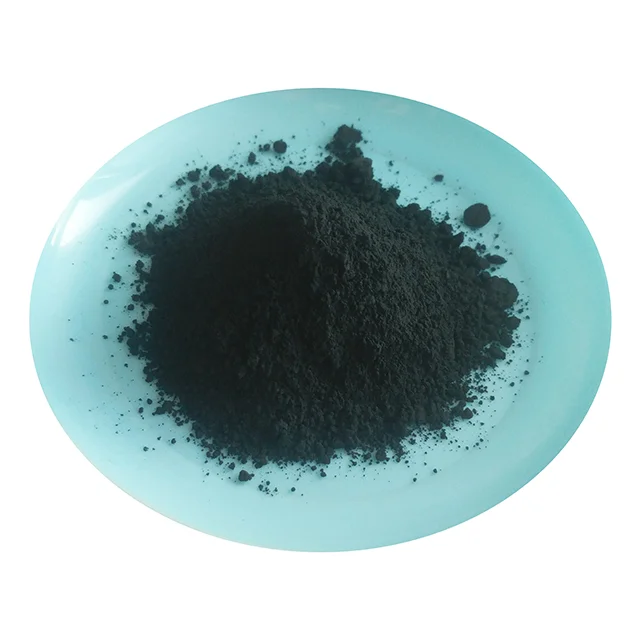
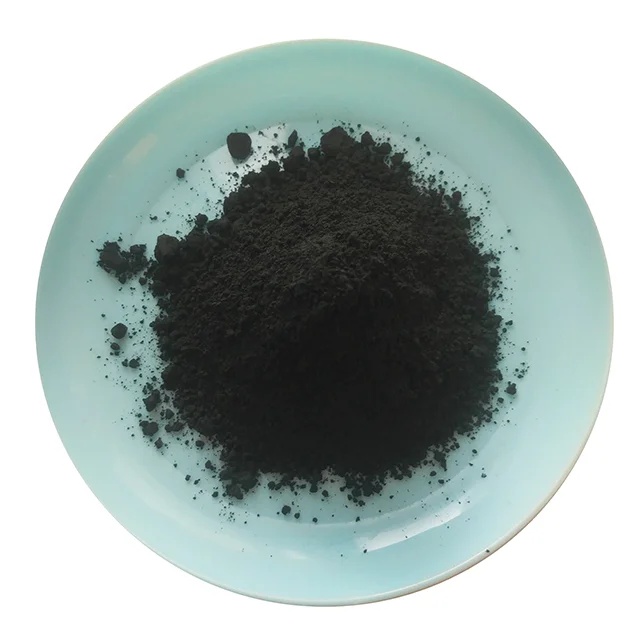
Industrial CoO Cobalt Oxide Black Powder for Thermal Barrier Coating and Material Enquiries
-
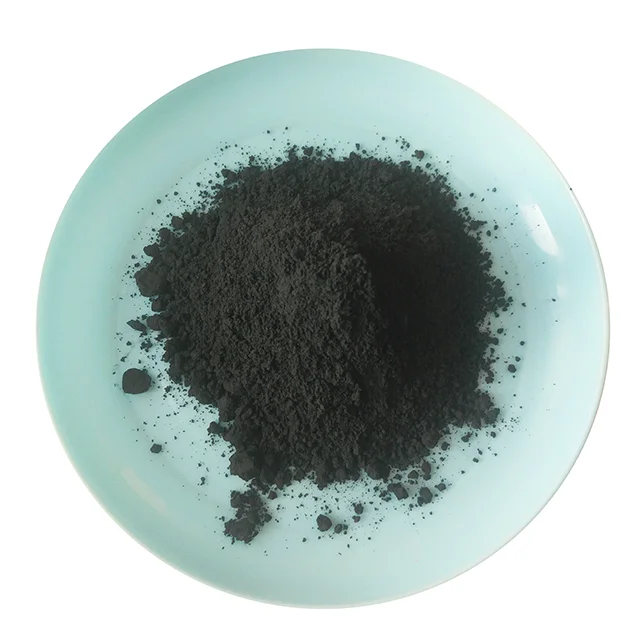
ColorBlackPhysical formPowder
-
CAS No.1307-96-6Purity72%min
-
AppearanceBlack powderApplicationCemented carbide, magnetic material, glass, enamel
-
ClassificationChlorideEINECS No.215-154-6
-
Grade StandardAgriculture Grade, Industrial Grade, Reagent GradeMolecular FormulaCoO
-
Other NamesC.I. 77322TypeInorganic salt
-
CAS1307-96-6Product NameCobalt Oxide
-
GradeIndustral GradeColorBlack
-
Packing25kgUsagelithium battery cathode
-
HS Code28220090.00EINECS215-154-6
-
KeywordC.I. 77322BrandRelia
A thermal-barrier coating enquiry needs to identify both the oxide material and the coating result being assessed. This industrial cobalt oxide is described as black powder with stated formula CoO, providing a starting identity for that discussion.
Define the cobalt oxide analysis first
Request current composition and phase evidence for the actual offered powder. Ask which analyte the assay measures and whether the process also requires elemental cobalt and impurity results.
The stated formula should not be treated as a complete analytical certificate. A meaningful comparison needs a defined sample and a reporting basis that matches the material requirement.
Make the thermal-barrier enquiry testable
Explain the intended coating system and which thermal or durability measurements decide acceptance. Obtain the relevant test evidence rather than assuming that a named coating application establishes barrier performance.
The black powder appearance also leaves particle distribution and formulation behaviour to be confirmed. Request those records when they affect the proposed coating assessment.
Qualify other cobalt material uses separately
Cemented carbide, magnetic materials, glass and enamel are additional named contexts. Each should be evaluated against its own composition limits and process criteria instead of inheriting approval from a different application.
- For a coating comparison
- Review the oxide analysis and relevant coating-system test results.
- For a cathode enquiry
- Request the specific material and electrochemical qualification required by that proposed use.
Neither the industrial grade nor a use label establishes battery capacity, magnetic performance or a special reagent or agricultural qualification. Keep acceptance tied to the actual powder, current records and the agreed process tests.