Industrial Polyaluminium Chloride PAC Powder for Wastewater Trials and 30% Grade Enquiries
-
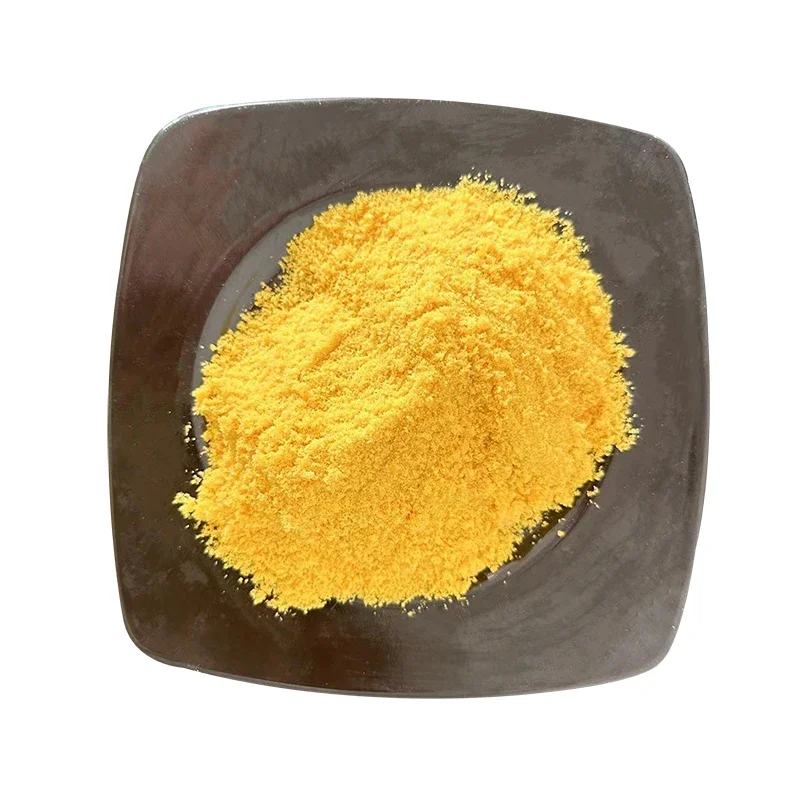
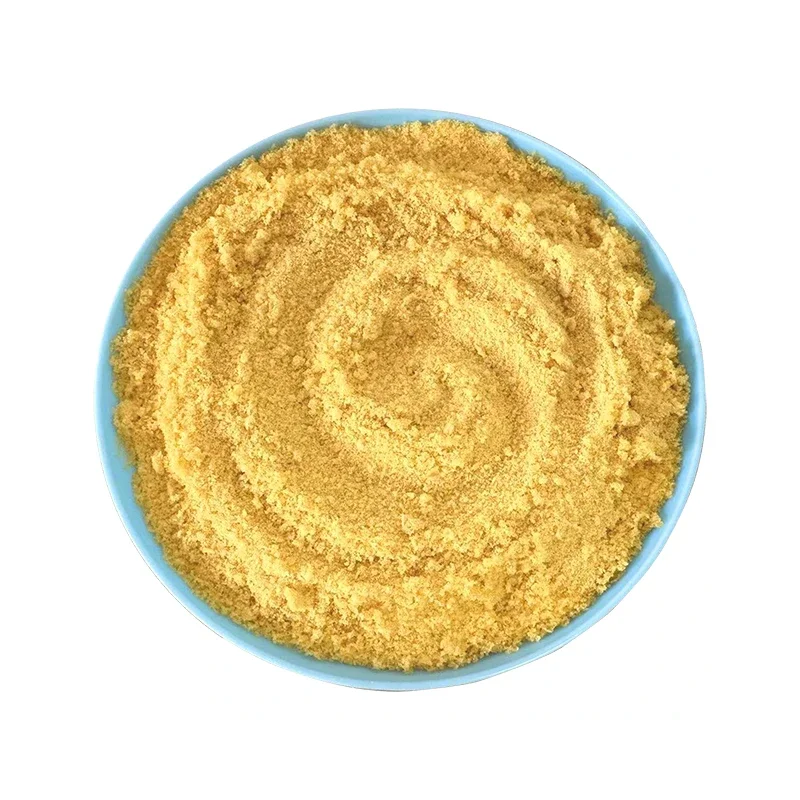
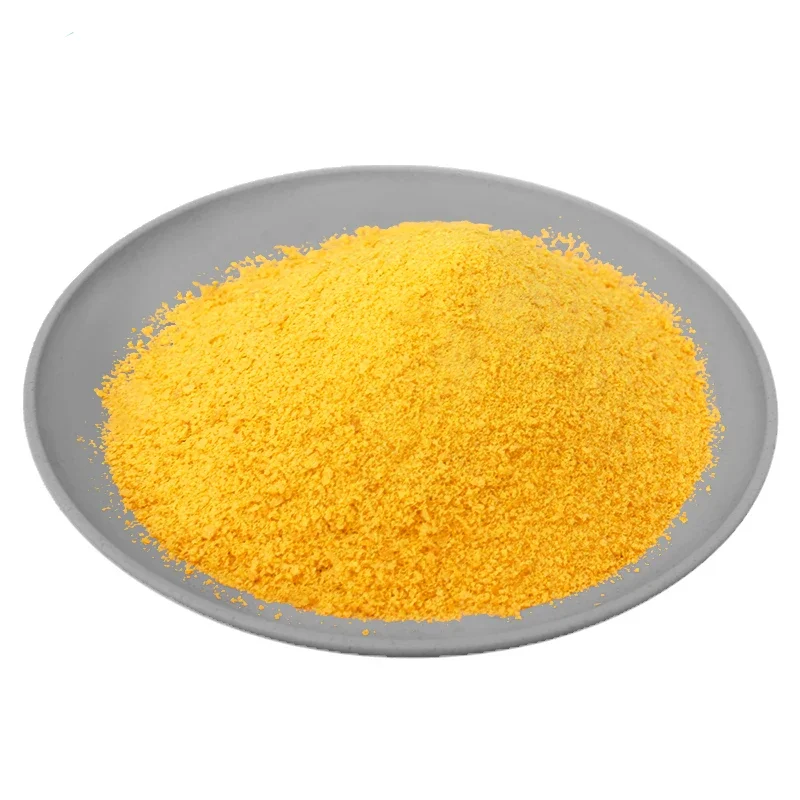
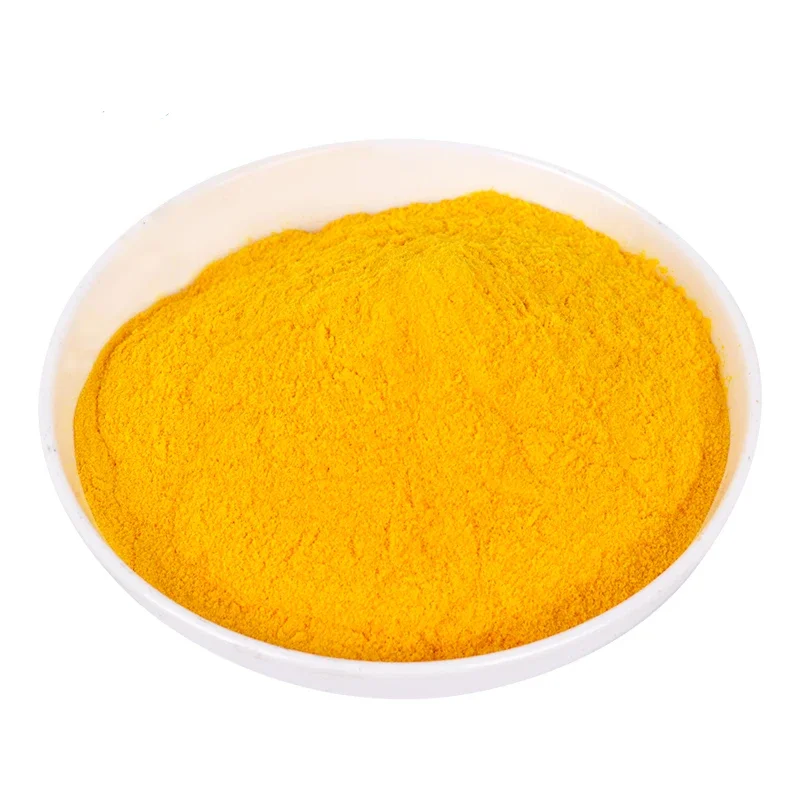
ColorYellowPhysical formPowder
-
CAS No.1327-41-9Purity28%-30%
-
pH Value3.5-5.0Adsorbent VarietyOther
-
EINECS No.215-477-2Molecular Formula[Al2(OH)nCl6-n]m
-
StatePowderWater Treatment ScenarioWastewater Treatment
-
Product TypeFlocculant / CoagulantDosage5-30 mg/L
-
Effective Concentration (%)28%-30%Ionic TypeCATIONIC
-
Product NamePolyaluminium Chloride (PAC)TypeWater Treatment Chemical
-
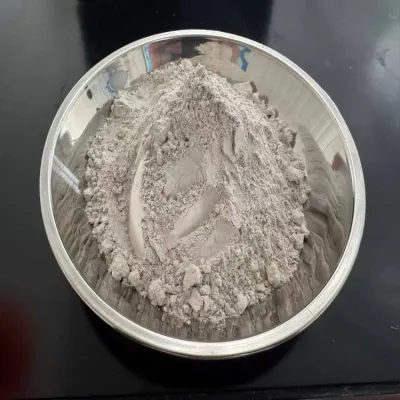
AppearanceYellow Powder, Light Yellow PowderActive Ingredient ContentAl2O3 28% / 30%
-
Grade StandardIndustrial Grade Drinking Water GradeBasicityAl2O3 ≥28% / ≥30%
-
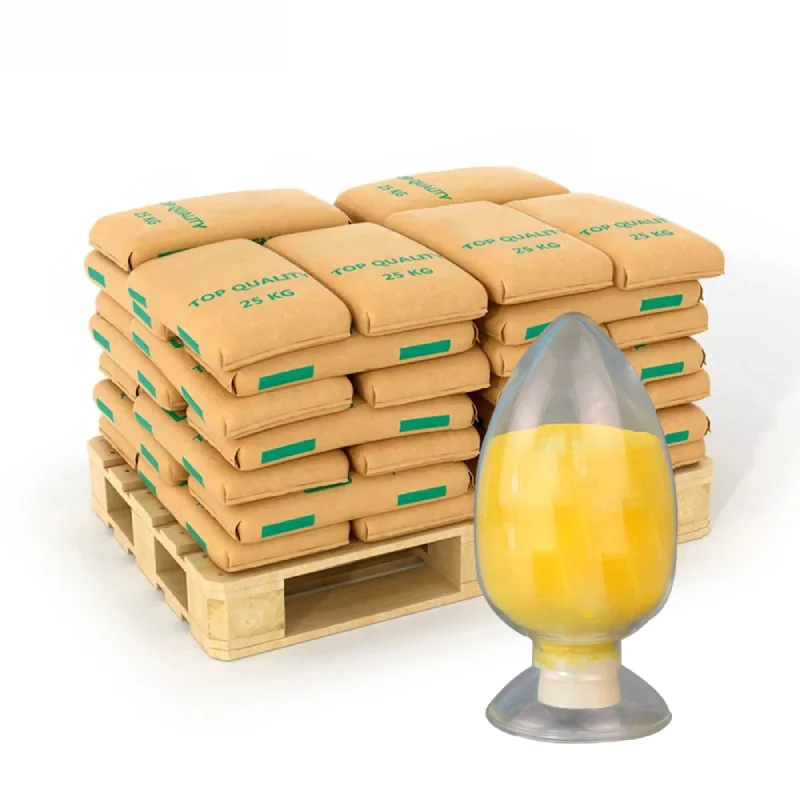
ApplicationWater Treatment,Wastewater Treatment,Drinking Water PurificationPacking25kg Bag / 1000kg Jumbo Bag
-
SampleAvailableStorageStore in Cool, Dry and Well-Ventilated Place
A 30% PAC enquiry should be tied to the exact powder grade and its current analysis. This industrial polyaluminium chloride is a cationic yellow or light yellow flocculant/coagulant. Wastewater and industrial-water treatment are the identified evaluation contexts.
Identify the powder behind the 30% enquiry
Request the supplied grade declaration and sample-linked alumina analysis. Reported effective concentration is 28–30%, with Al2O3 content designations of 28% / 30%. Confirm which designation and reporting basis apply before setting a concentration acceptance criterion for the project.
Review basicity without substituting alumina content
Ask for a correctly defined measured basicity result and the relevant method. Assess that parameter separately from the alumina report. A grade description alone does not establish the full chemical characterisation needed for a water-treatment comparison.
Compare the PAC sample in the actual industrial stream
Describe the influent and the required treatment outcomes before selecting trial conditions. Reported material pH is 3.5–5.0, so obtain its preparation method rather than interpreting it as an incoming-water operating range. Have the appropriate technical team assess the powder under controlled conditions using the actual water.
- What evidence supports a selection?
- Current grade and method reports, together with the project's actual treatment results.
- What requires separate confirmation?
- Any potable-water qualification and the conditions relevant to the intended use.
Keep the documents associated with the exact PAC sample tested. Review the supplied storage instructions and resolve the material grade before final acceptance.