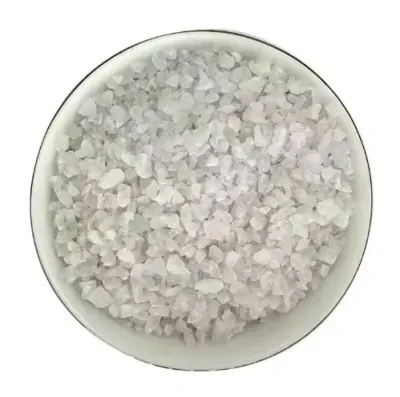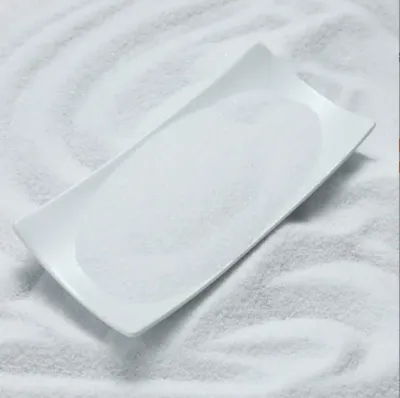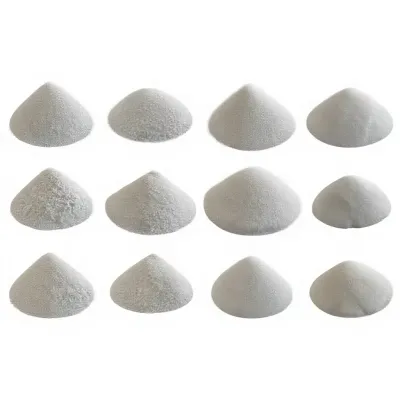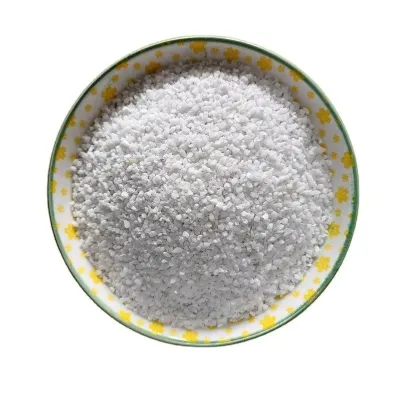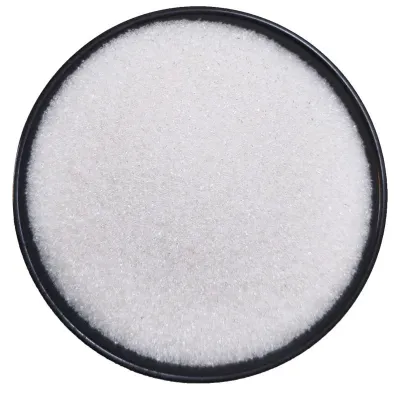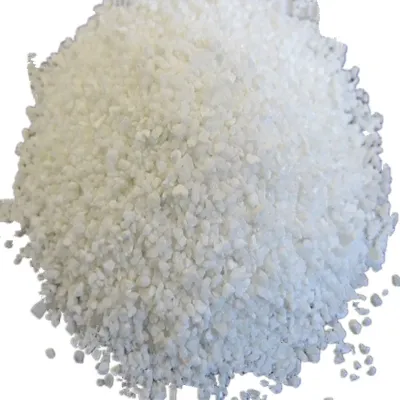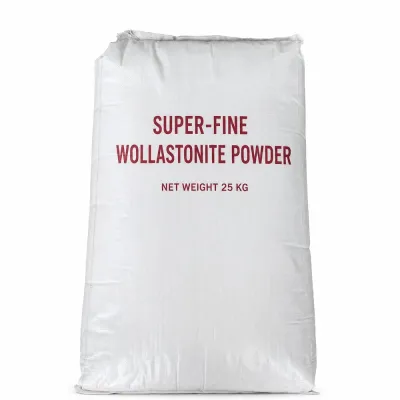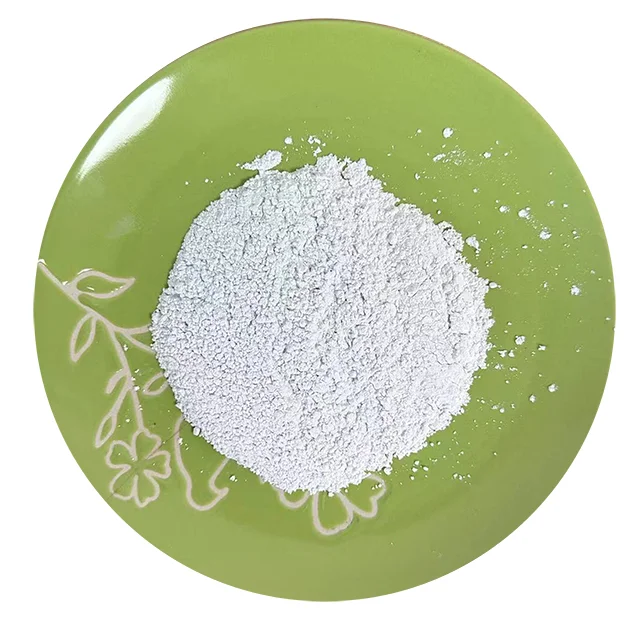
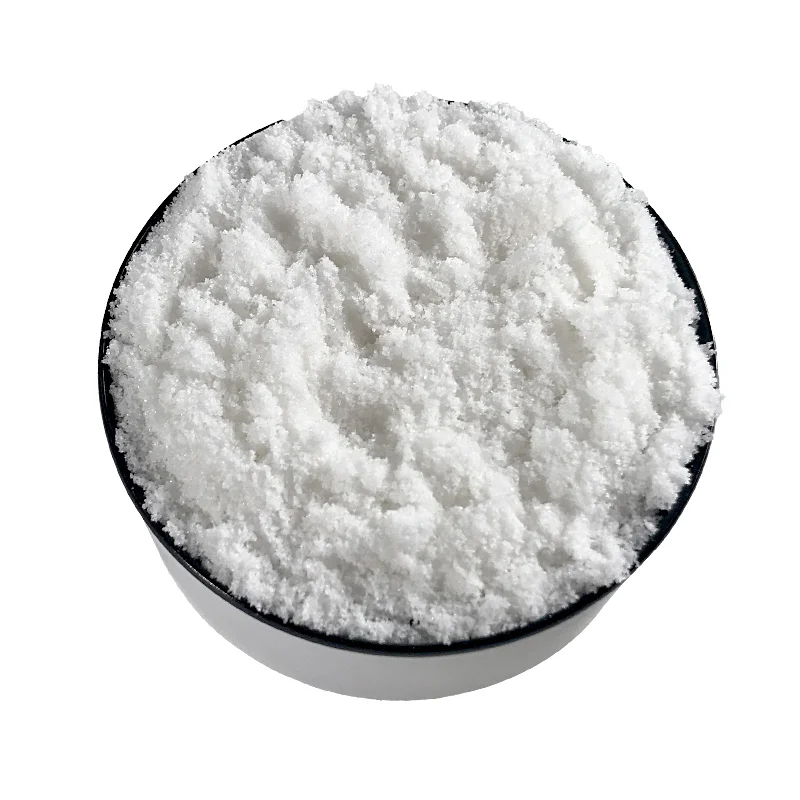
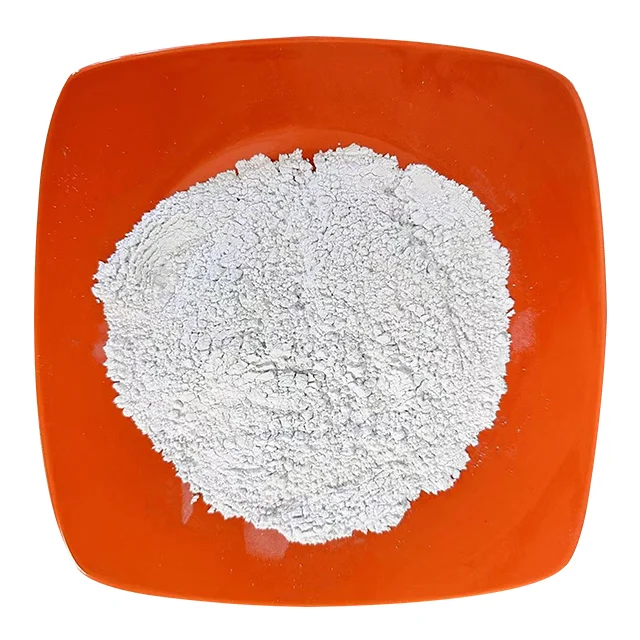
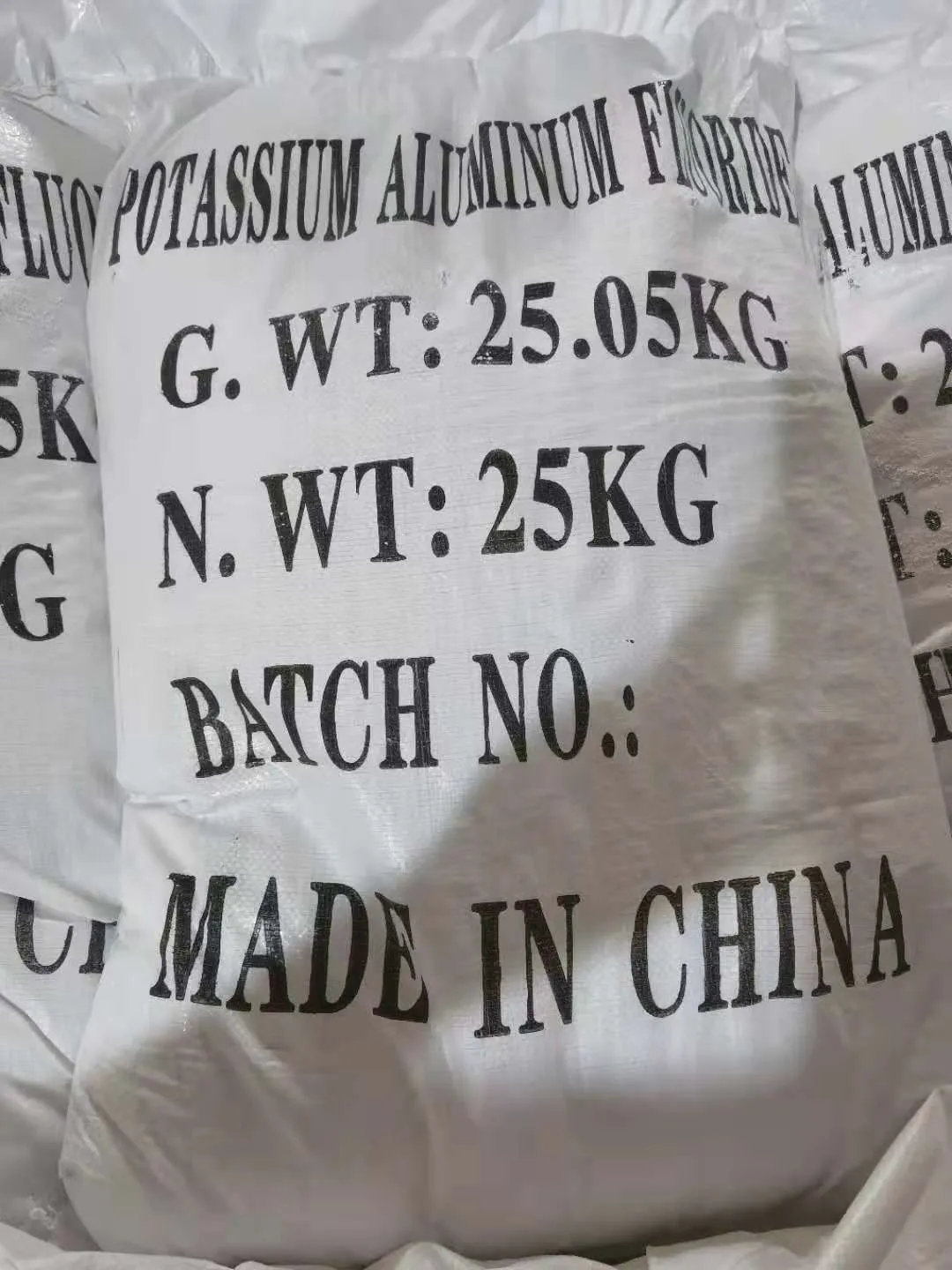
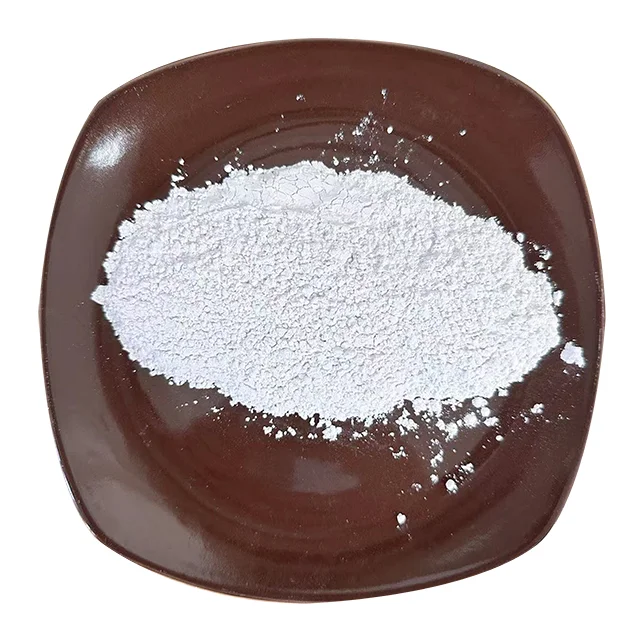
Industrial Potassium Aluminum Fluoride White Powder for Aluminum Flux, Ceramic and Glass Material Enquiries
-
ColorWhitePhysical formPowder
-
CAS No.14484-69-6Purity98%MIN
-
AppearanceWhite powderApplicationaluminum industry,fluxing agent, ceramics, glass
-
ClassificationOther Inorganic SaltsEINECS No.238-485-8
-
Grade StandardAgriculture Grade, Industrial Grade, Reagent GradeMolecular FormulaAlF4.K
-
Other NamesPOTASSIUM CRYOLITEProduct namePotassium Aluminum Fluoride
-
Density2.88 g/cm³Melting Point845°C (1553°F)
-
SolubilitySoluble in waterCAS14484-69-6
-
HS CODE28269090.90Colorwhite
-
GradeIndustral GradePackage25kg/bag
-
EINECS238-485-8
For aluminum flux-material selection, establish the actual potassium aluminum fluoride composition before comparing process results. This industrial material is described as white powder, with use directions covering the aluminum industry, fluxing agents, ceramics and glass.
Make the chemical phase part of flux-material acceptance
Request a current report identifying the actual compound and phase in the offered grade. The potassium aluminum fluoride family name is a useful enquiry term, but it does not by itself establish the precise composition required by a particular flux system.
- Identify the intended aluminum process and its material acceptance requirements.
- Obtain phase-linked composition, assay and relevant physical measurements.
- Compare an appropriate sample against the actual process criteria.
Keep ceramic and glass comparisons tied to the offered grade
For ceramic or glass work, describe the intended material role and the evidence needed for acceptance. Assess the supplied powder using relevant formulation and processing tests; a general application label does not establish a finished-product result.
Separate material measurements from operating instructions
Ask for the test basis and conditions accompanying physical or thermal data for the confirmed phase. Such measurements do not supply a flux recipe, an operating temperature or a guaranteed processing benefit.
Before progressing from enquiry to material selection, review current safety information for the actual composition and proposed handling conditions. Keep the analytical report, sample identity and application-test observations together so the assessment concerns the material being offered, with its exact chemical phase and process limits clearly understood.