Industrial Potassium Carbonate K2CO3 99% Min White Granules for Food-Processing Grade Assessment
-
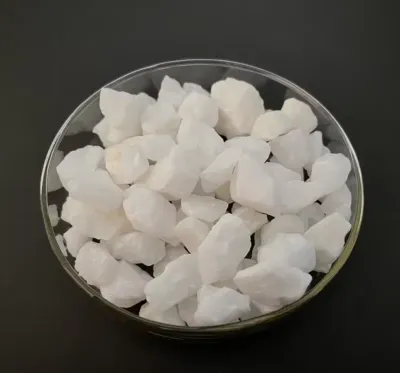
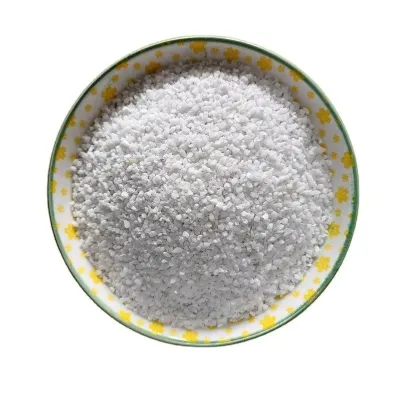
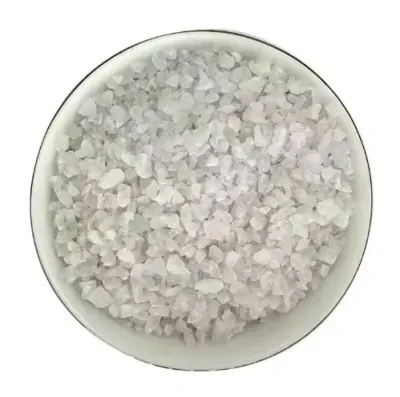
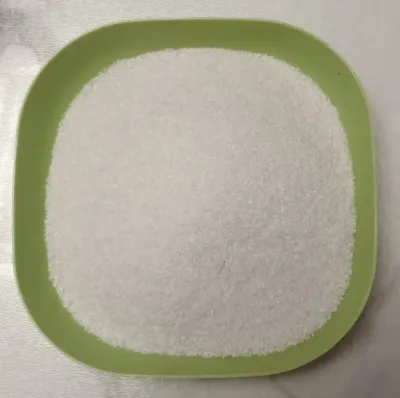
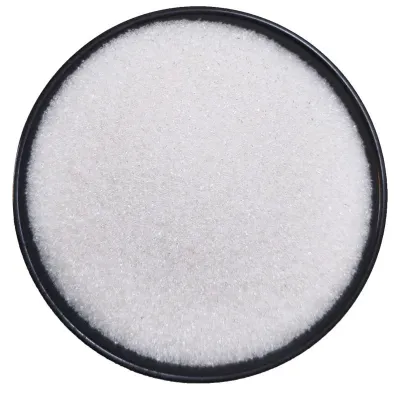
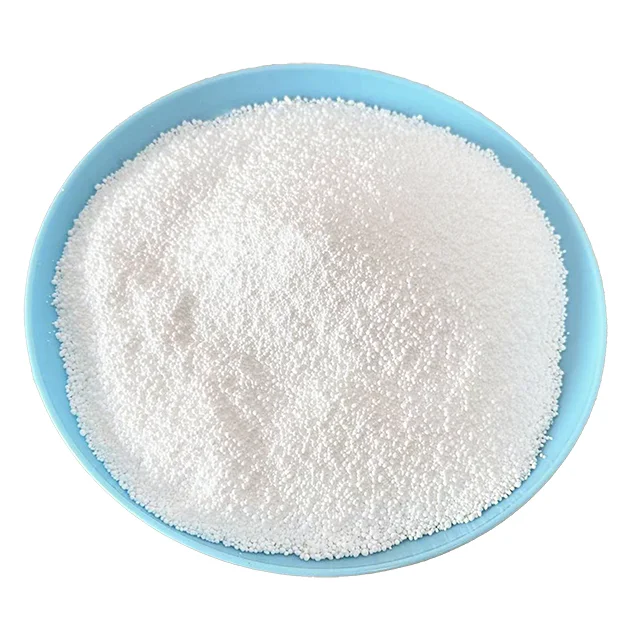
ColorWhitePhysical formGranular
-
CAS No.584-08-7Purity99%MIN, 99%MIN
-
AppearanceWhite GranularApplicationOptical glass,Welding electrode
-
ClassificationCarbonateEINECS No.209-529-3
-
Grade StandardAgriculture Grade, Industrial Grade, Reagent GradeMolecular FormulaK2CO3
-
Other NamesPotassiumCarbonateFccTypePotassium Carbonate
-
CAS584-08-7Melting Point891 °C
-
Boiling PointDecomposesDensity2.43 g/cm³
-
Shelf Life2 years
A food-processing enquiry should establish the actual offered grade and its qualification before material selection. This industrial potassium carbonate is identified as K2CO3, described as white granular material with 99% minimum purity and density of 2.43g/cm³.
Request evidence for the actual food-grade requirement
Ask which current documents establish the offered material’s suitability for the intended requirement. Industrial assay and a grade-style alias do not demonstrate food-grade approval, so keep that qualification question open until the relevant actual-grade evidence is available.
Compare chemical and granule measurements explicitly
Request current assay, individual impurities and the particle measurements needed by the project. A minimum purity figure and white-granular description are starting information, rather than a complete grade specification or a result under the buyer’s actual use conditions.
- Thermal information
- The melting point is stated as 891°C, while the boiling-point entry states decomposition rather than a boiling temperature.
- Meaning for selection
- These material descriptors do not establish processing settings or qualification for a food application.
Qualify the other listed material directions separately
Optical glass and welding electrodes are stated application directions. Each requires its own process criteria and relevant trial evidence, without an assumed optical property, welding result or compatibility across uses.
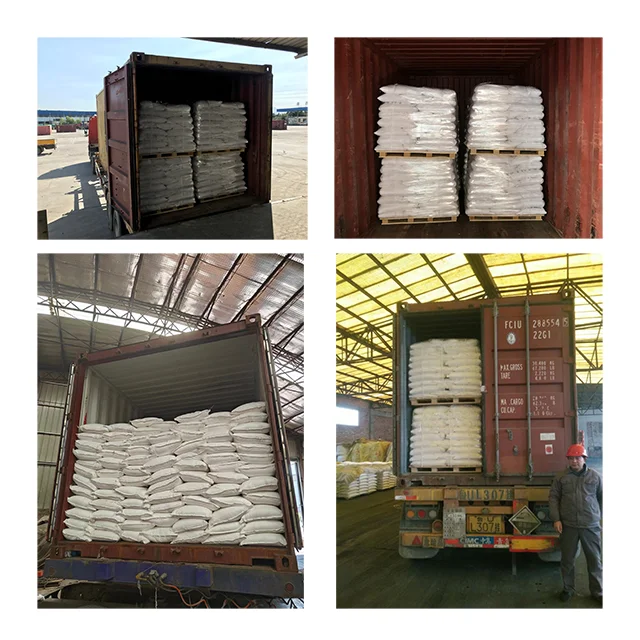
Request current safety and technical information and appropriate sample records for the offered granules. Keep the actual grade, required impurity limits and use-qualification evidence together so acceptance follows the project’s material requirements rather than a general name or purity threshold.