

Industrial Precipitated Barium Sulphate for Printing Ink, 98.5% Minimum Purity
-
Particle-size designationD50 specifiedColorWhite
-
Physical formPowder
-
CAS No.7727-43-7Purity98.5% Min, 98.8%
-
AppearanceWhite PowderApplicationIndustrial
-
ClassificationSulphateEINECS No.231-793-3
-
Grade StandardIndustrial GradeMolecular FormulaBaSO4
-
Other NamesBlanc FixeTypeBarium Sulfate
-
Product nameprecipitated barium sulfateD50 particle size0.7
-
ColorPure WhiteCertificateISO9001
-
Hs code28332700.00Usagecoating, paint, plastic, etc.
-
Whiteness98.8%GradeIndustral Grade
-
Package25kg/bag
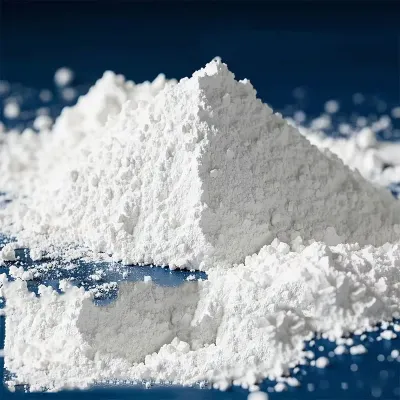
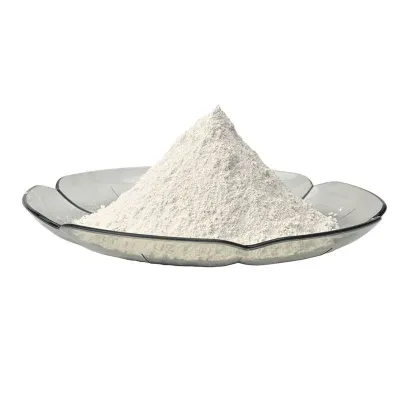
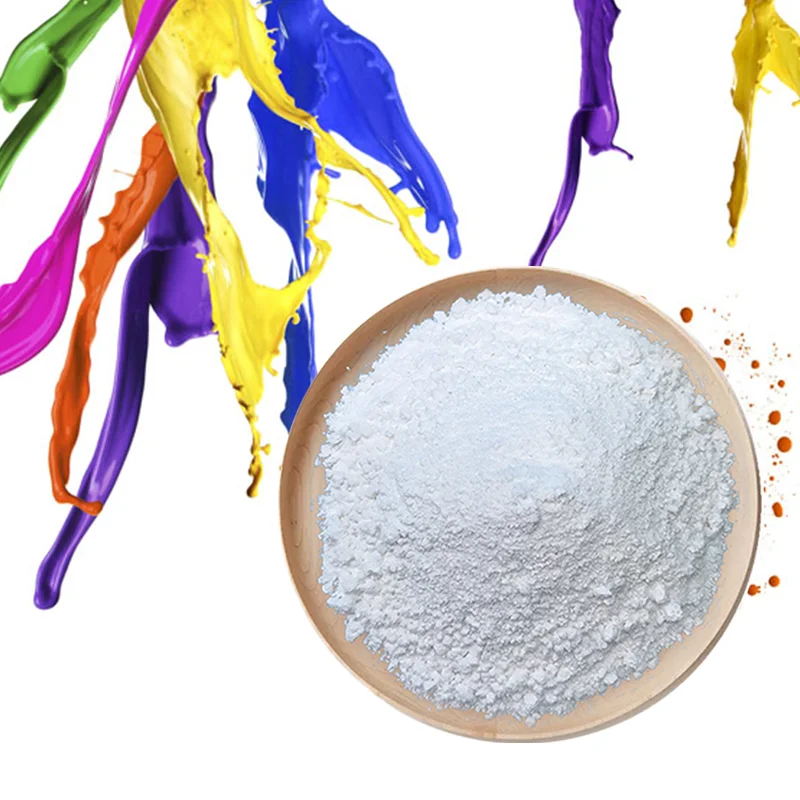
Printing-ink selection benefits from keeping composition and powder colour as separate checks. This industrial precipitated barium sulphate, also named blanc fixe, has stated minimum purity of 98.5% and whiteness of 98.8%. Printing ink is a named application alongside coatings, paint and plastics.
Separate the assay threshold from whiteness
Request current analysis identifying the minimum-purity acceptance requirement. Review the whiteness method and reference independently before comparing the 98.8% optical value with another powder. Neither property alone establishes the printed appearance or dispersion of the finished ink.
Measure the distribution behind a narrow-size requirement
Ask for particle units and the complete measured distribution, including the method used to prepare the sample. Define what distribution width the ink project actually requires. A single median-size entry without a complete measurement basis cannot establish a narrow particle range.
Use the intended vehicle to judge the blanc fixe
Describe the ink vehicle, printing process and acceptance criteria before evaluating the selected sample. Assess dispersion and the actual printed result through that system. Coating and plastic projects require their own formulation evidence rather than carrying over an ink-trial conclusion.
Complete the grade record before selection
Obtain the assay report, particle methods and any certificate scope required by procurement. Keep these documents associated with the sample and its test conditions. A material decision can then follow a defined composition requirement and measured ink performance, without relying on a broad quality or particle-range description.