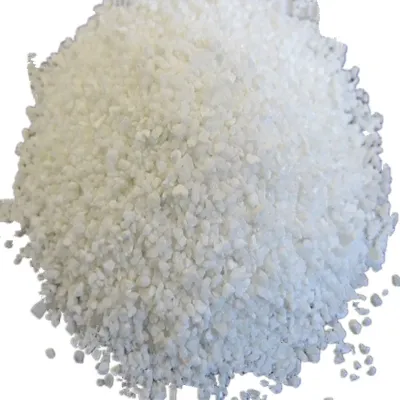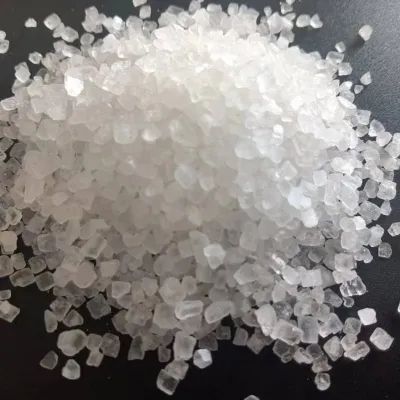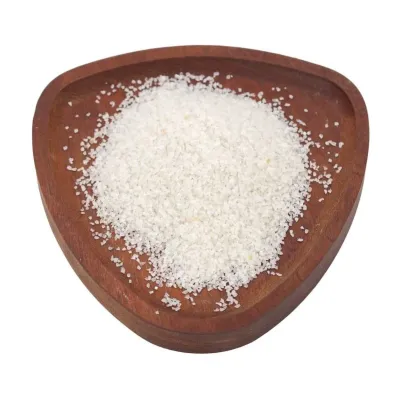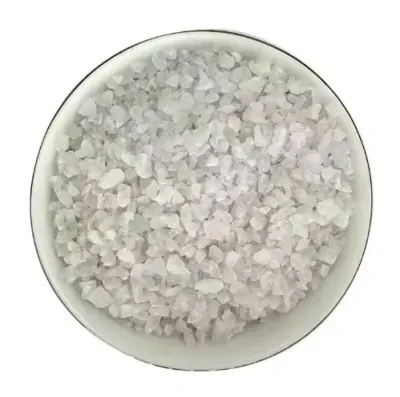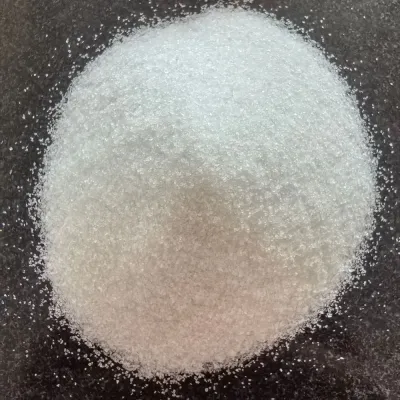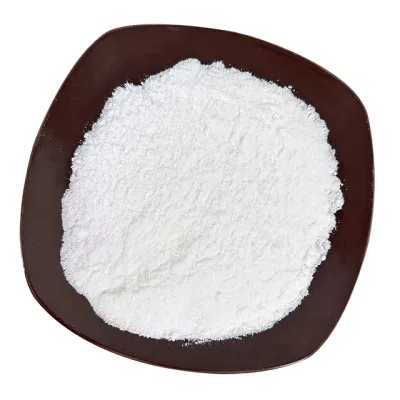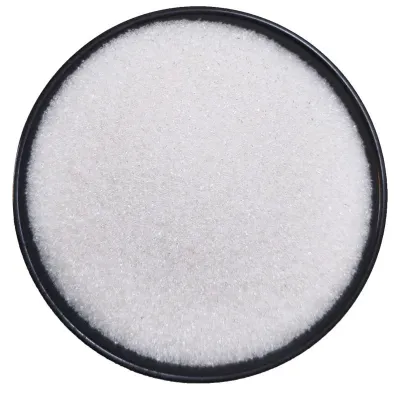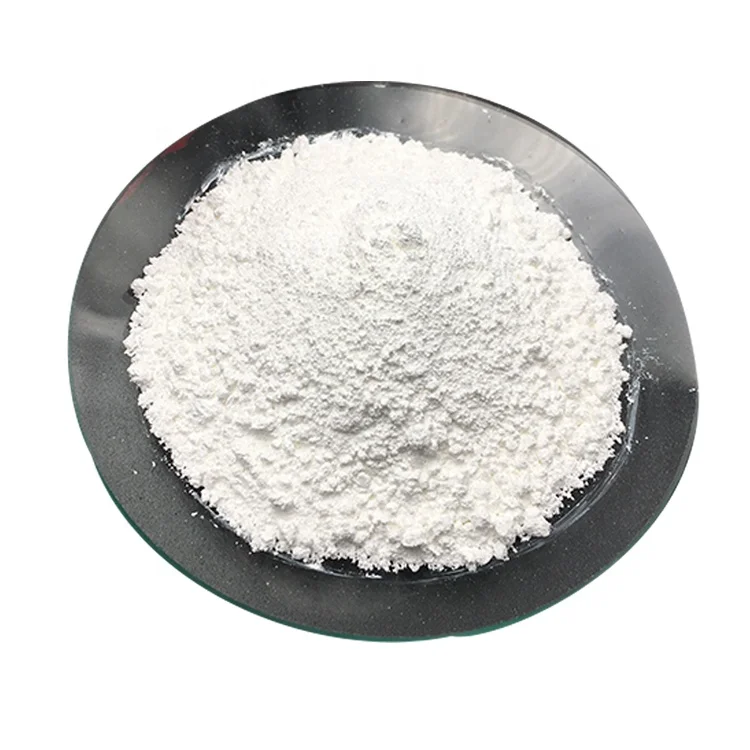
Industrial Precipitated Barium Sulphate Powder for Paint, Coating, Plastic, Enamel and Printing Evaluation
-
ColorWhitePhysical formPowder
-
CAS No.7727-43-7Purity98%
-
AppearanceWhite PosderApplicationpaint, coating, plastic,battery,enamels,printing
-
ClassificationSulphateGrade StandardIndustrial Grade
-
Molecular FormulaBaSO4Other NamesBariate
-
TypeBarium SulfateD501.5
-
Whiteness96.5PH value7-8
-
Oil absorption16-20CertificationISO
-
BaSO4 Content98.5
Enamel, printing and coating enquiries can share a mineral name while requiring different acceptance tests. This industrial white precipitated barium sulphate has pH 7–8 for evaluating those applications alongside paint and plastics formulation work.
Choose the formulation question first
Identify the actual binder or polymer and the properties that will decide material acceptance. Set the trial around that system's requirements, so a result from one paint or enamel formulation is not assumed to apply to every printing or plastics project.
Request a clear chemical acceptance basis
Obtain current analysis defining purity, BaSO4 content and the accepted limits for the offered grade. Confirm the reporting basis and any relevant tolerances before selecting the chemical specification that will govern the comparison.
Which powder definitions are needed?
Ask for D50 units and method, the whiteness scale and method, oil-absorption units and any treatment information. A complete measured report gives the trial a defined raw-material input without assigning familiar units to otherwise undefined numbers.
Keep separate qualifications documented
Battery enquiries require their own chemistry requirements and relevant test evidence. Obtain applicable ISO certificate scope if required, rather than treating an industrial grade or a broad label as an approval for the intended application.
Provide the selected formulation brief and requested chemical/powder reports with the enquiry. Those details make the precipitated-grade comparison concrete while leaving optical, dispersion and end-use performance to a relevant trial.