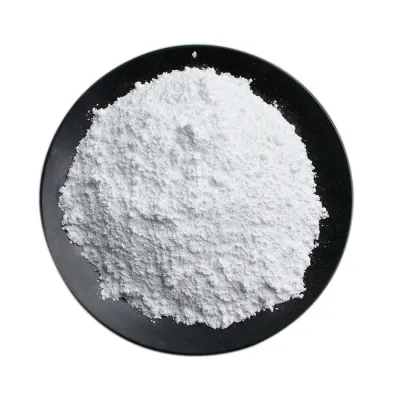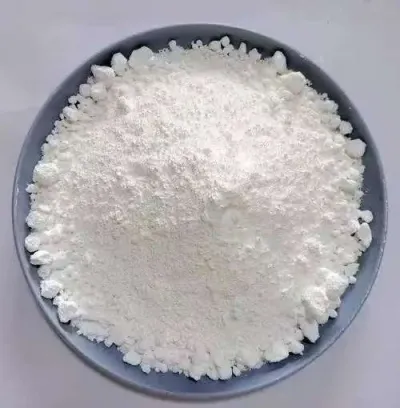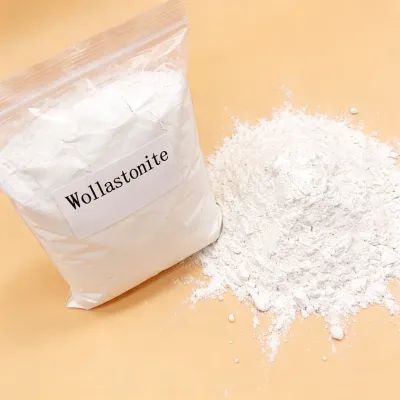
Industrial Silica SiO2 White Powder 99.5% for Electronic Packaging, Coating and Filling Assessment
-
ColorWhitePhysical formPowder
-
Purity99.5%
-
Appearancewhite powerApplicationElectronic packaging,Coating and filling
-
ClassificationSilicon Dioxide
-
Grade StandardIndustrial GradeMolecular FormulaSiO2
-
Other NamesSilica powder
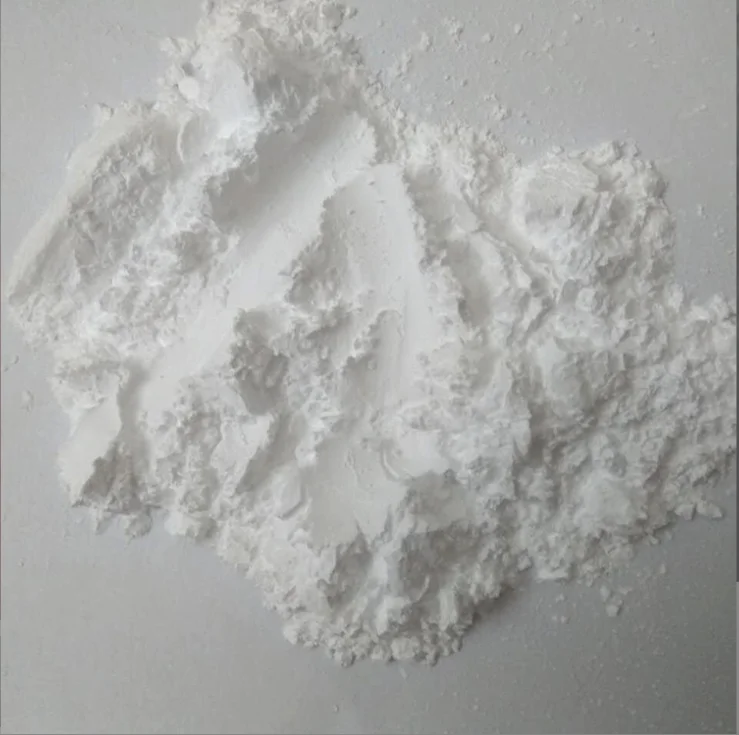
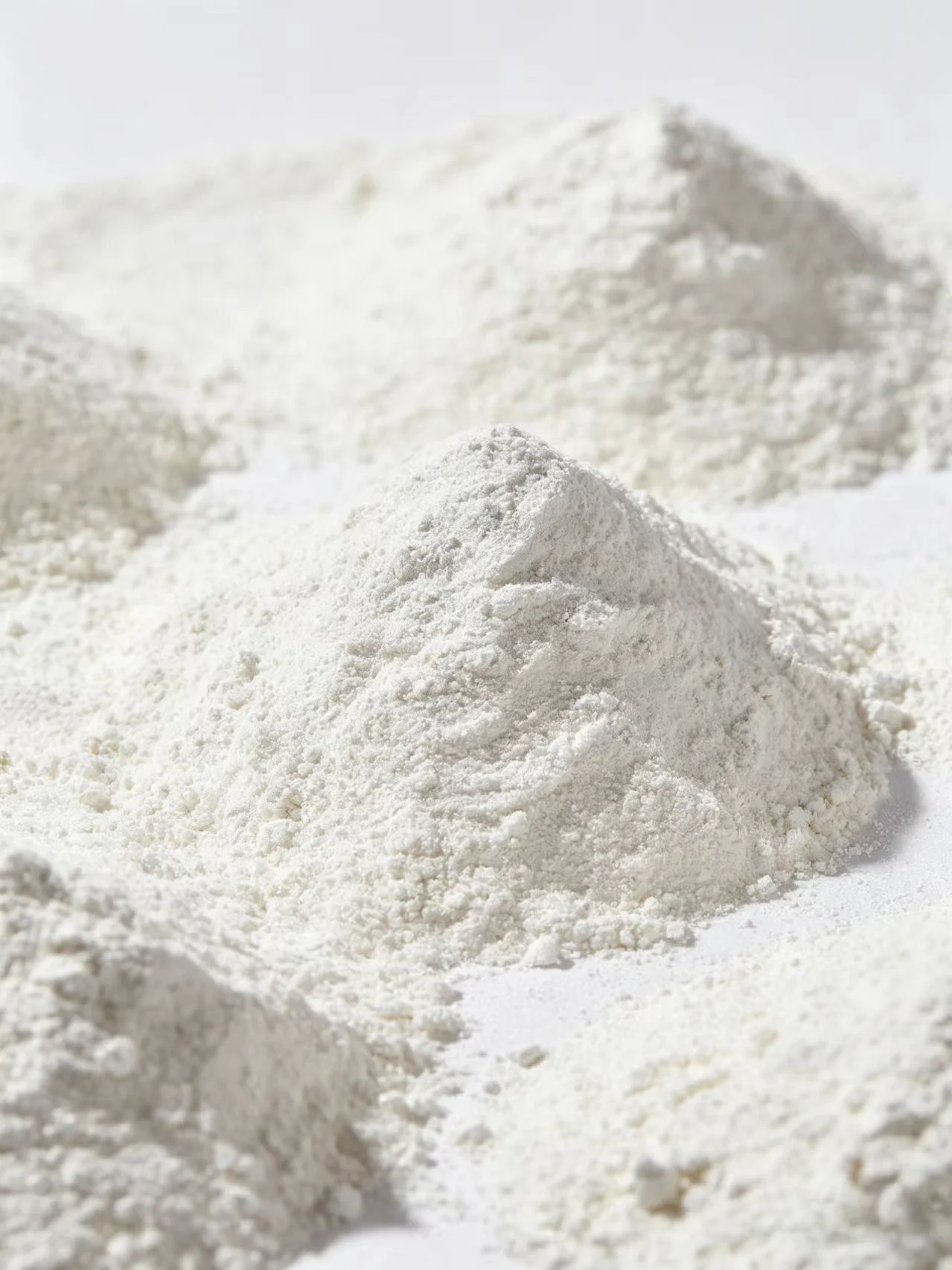
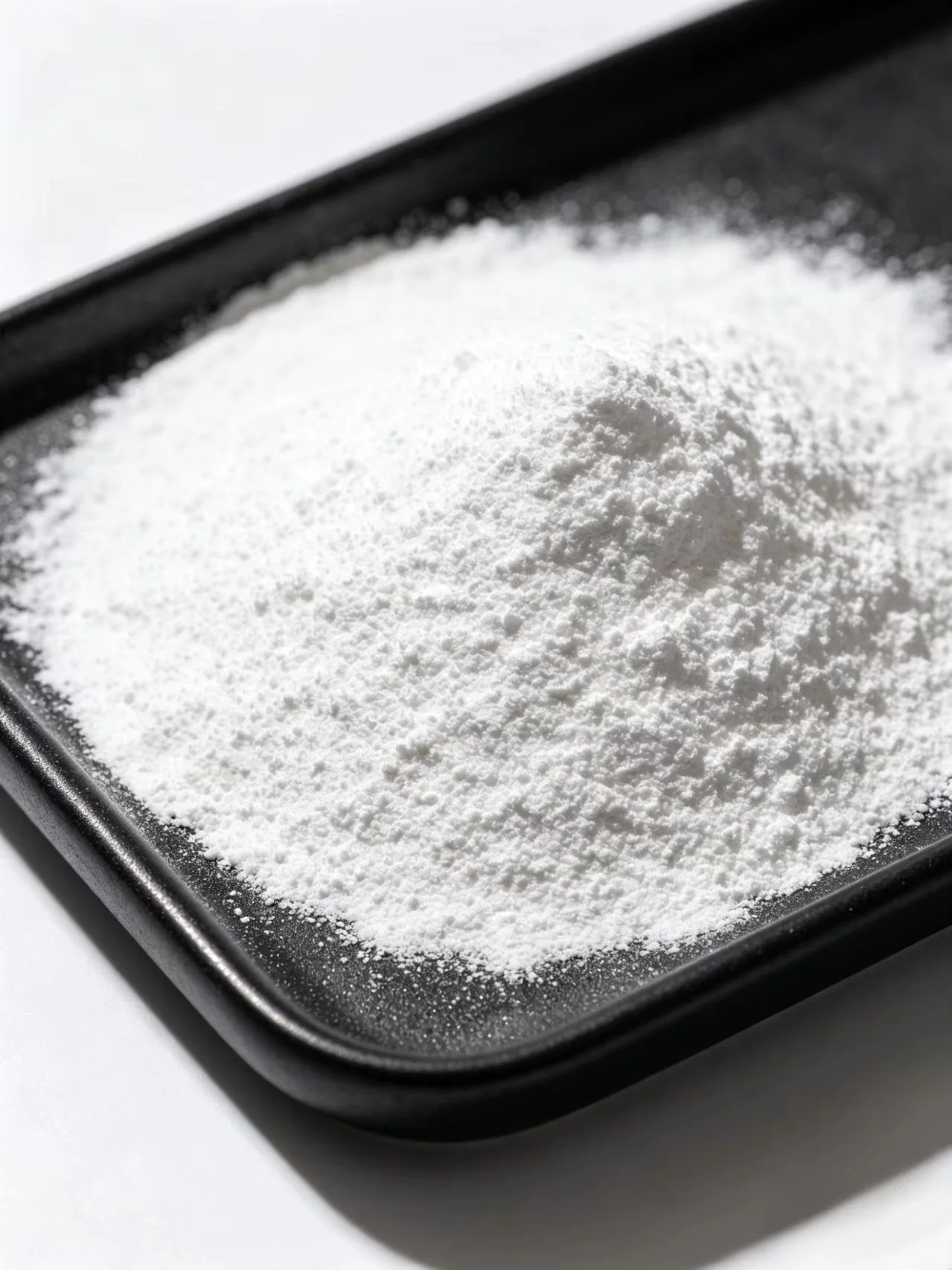
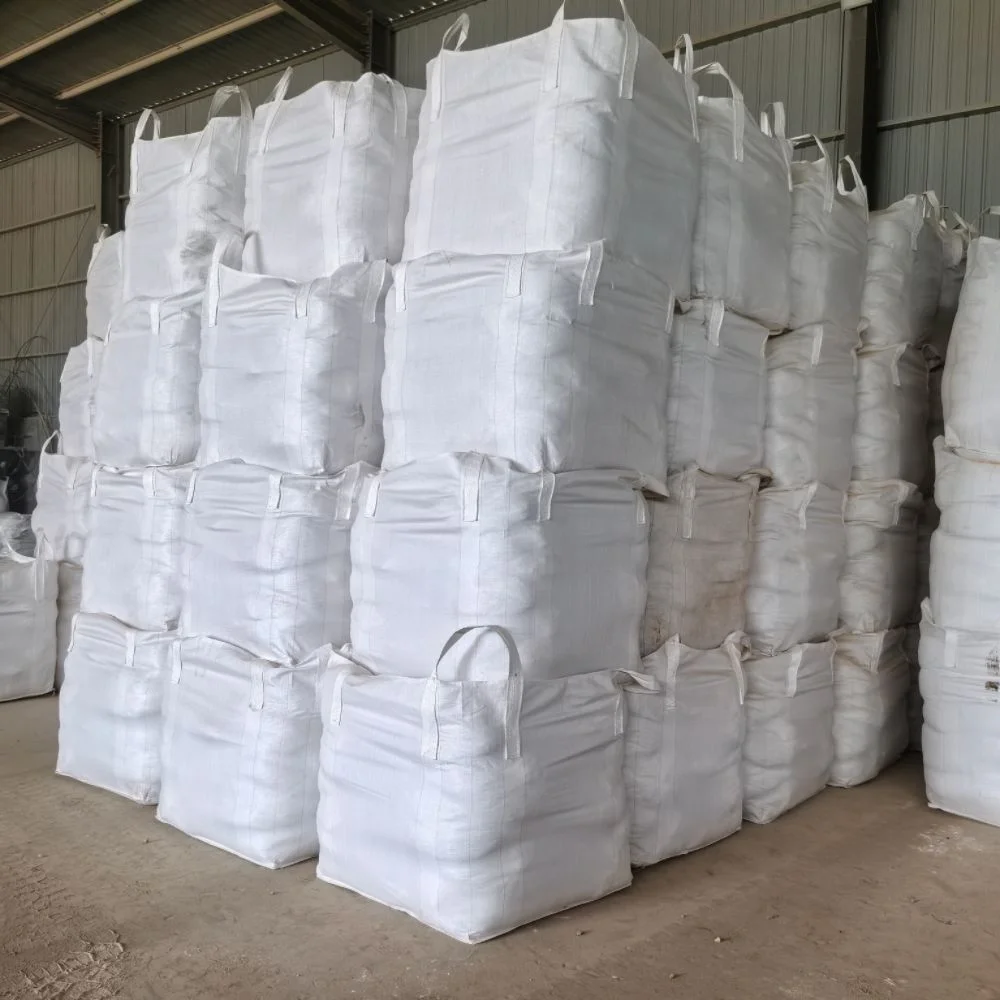
Define the material acceptance limits before considering this industrial silica powder for electronic packaging, coating or filling. The white SiO2 powder has stated purity 99.5%, while its actual silica phase and application qualification need a separate technical review.
Ask which silica subtype is supplied
Request an identification of the proposed material and its phase, supported by the relevant technical documentation. A generic silica powder description does not establish whether the sample is crystalline quartz or an amorphous silica material.
Keep the sample identity attached to that evidence. Any phase-specific chemical identifier should correspond to the actual material being evaluated rather than a broadly similar powder.
Set composition and particle limits independently
Obtain a current certificate of analysis explaining the assay basis for the stated 99.5% purity. Define any iron or other impurity limits required by the project and ask for the corresponding measured results.
- Chemical comparison
- Review the actual assay and project-relevant impurity measurements.
- Physical comparison
- Request a particle distribution report and method appropriate to the proposed use.
White appearance is not a low-iron specification. Composition alone also does not establish a particular particle distribution or a qualified electronic grade.
Evaluate the intended system with the same sample
Have the responsible technical team define representative tests for the electronic packaging, coating or filling system. Judge the results against the actual finished-material requirements without assuming that one application qualifies another.
Review the safety data sheet with the sample documents and retain the analysis and trial references together. This creates a traceable material comparison without promising a finished-system performance result.