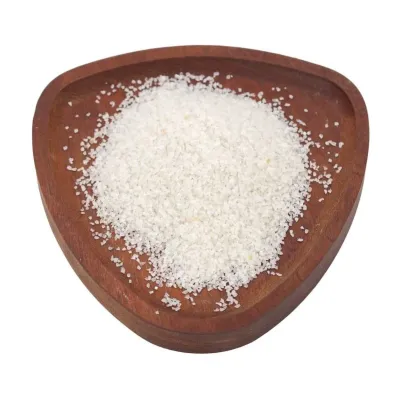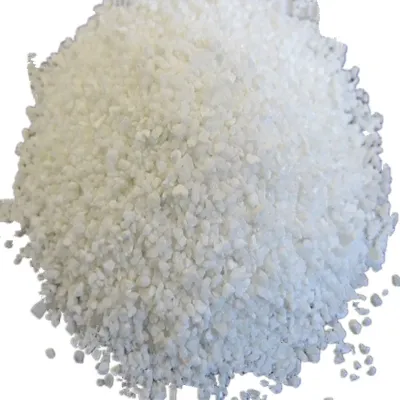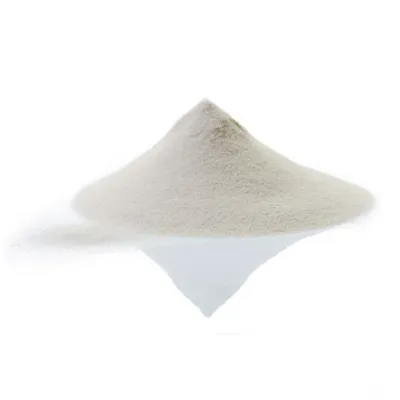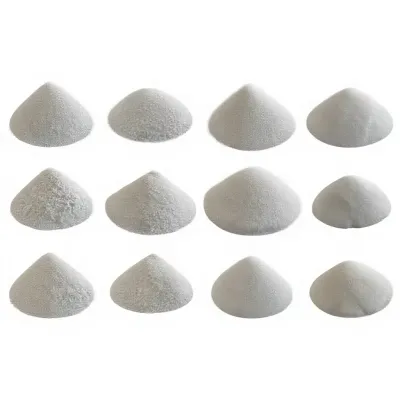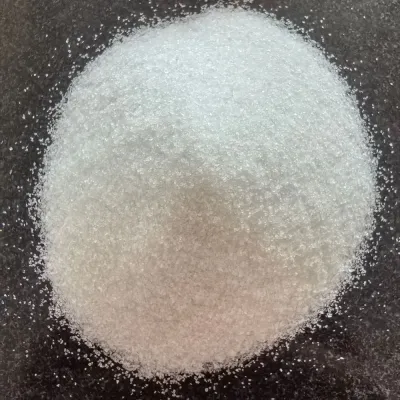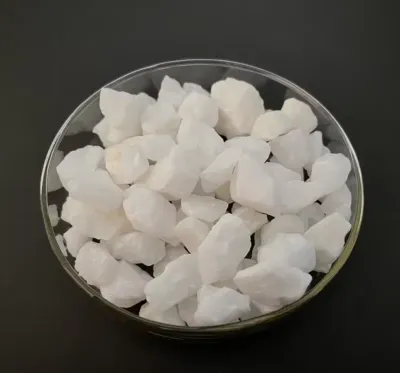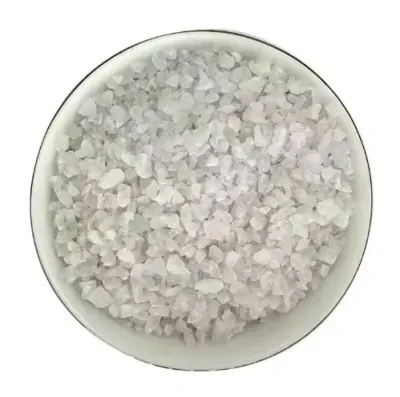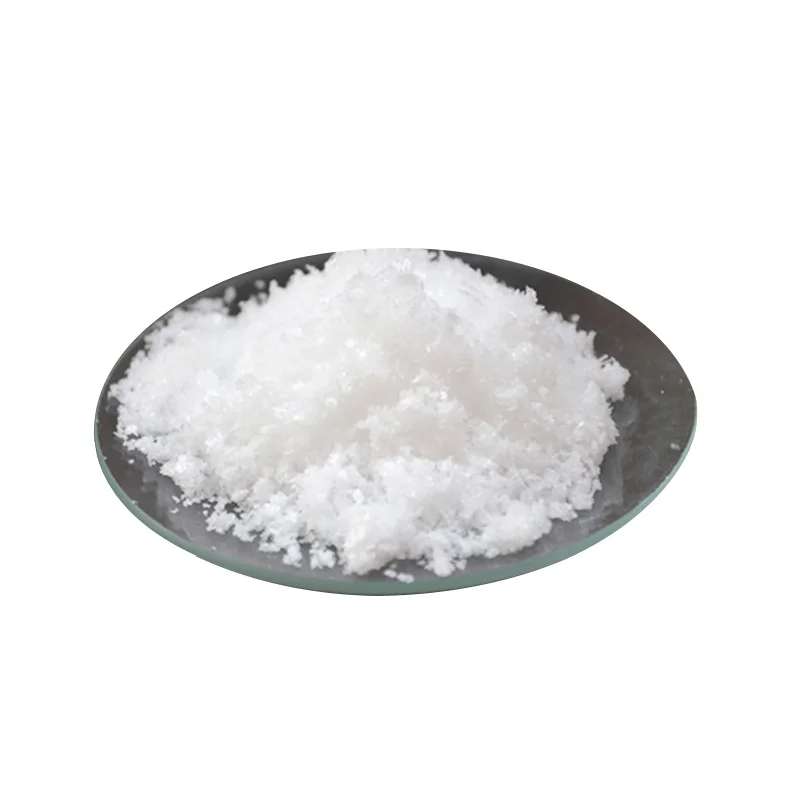
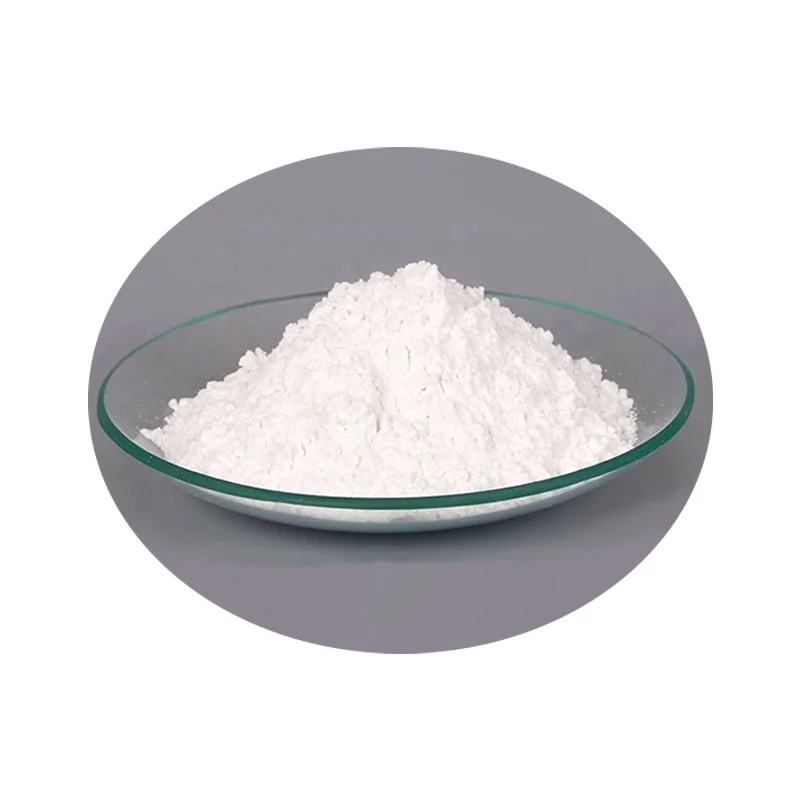
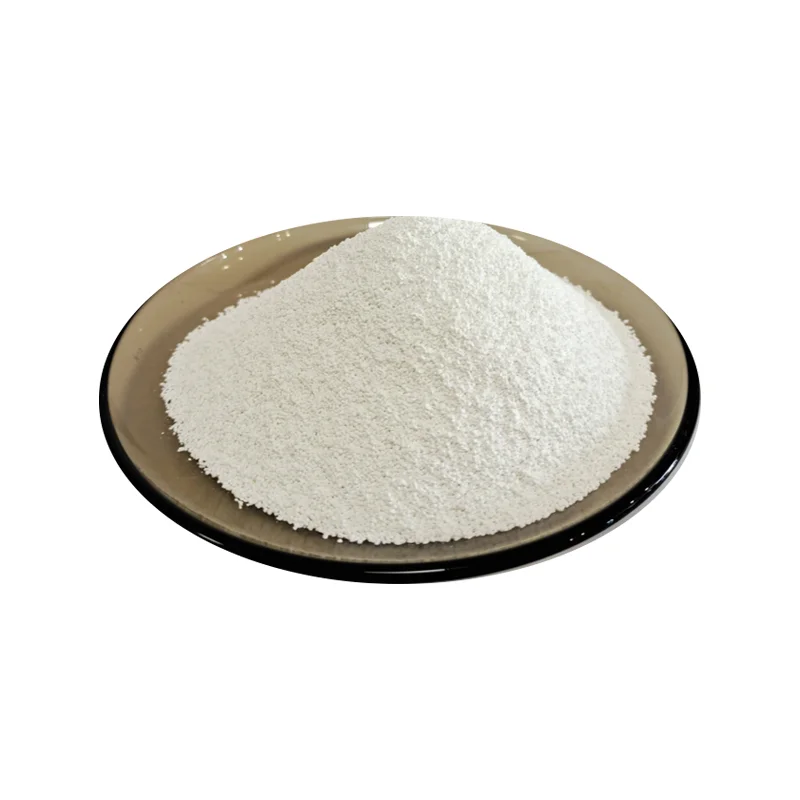
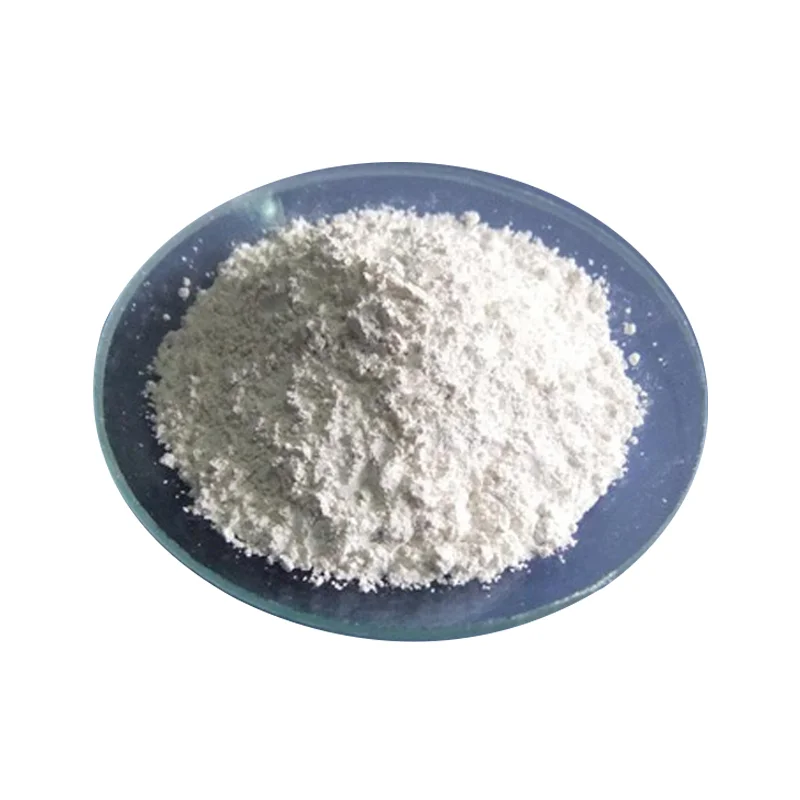
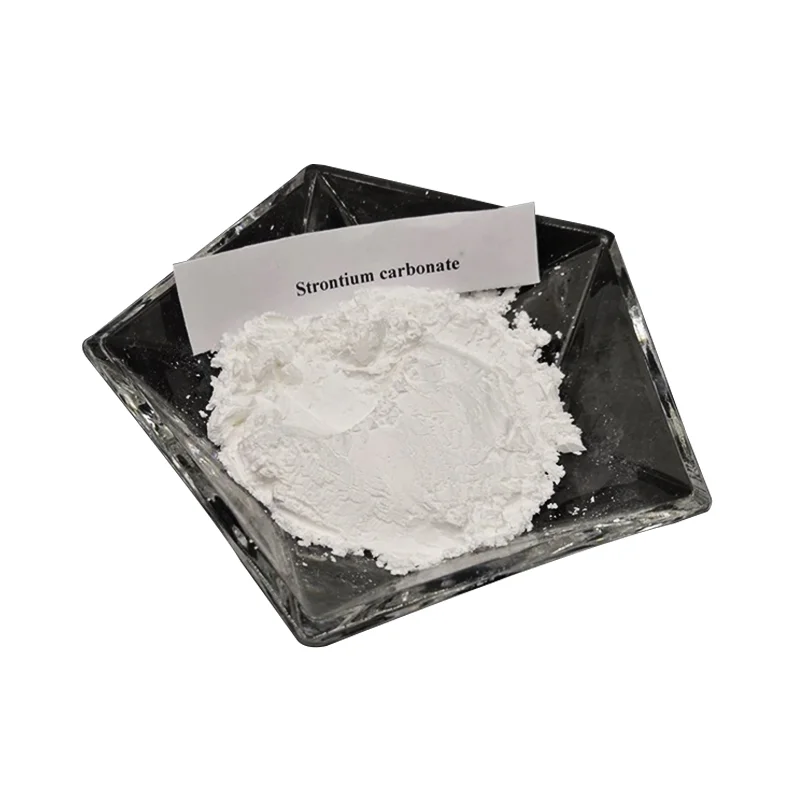
Industrial Strontium Carbonate SrCO3 White Powder, 99.2% Minimum Purity, for Ceramic, Glass and Electronic-Material Evaluation
-
ColorWhitePhysical formPowder
-
CAS No.1633-05-2Purity99.2% min
-
AppearanceWhite PowderApplicationceramics, glass, fireworks, electronics
-
ClassificationCarbonateEINECS No.216-643-7
-
Grade StandardIndustrial GradeMolecular FormulaSrCO3
-
Other NamesCarbonic Acid Strontium SaltTypeOther
-
Product NameStrontium CarbonateMolecular Weight147.63
-
HS Code2836920000Density3.5-3.8 g/cm³
-
pH Value9.0-10.5SolubilityInsoluble in Water, Soluble in Dilute Acids
-
Packaging25kg PP Woven Bag with PE LinerPackaging Option500kg / 1000kg Jumbo Bag
-
SampleAvailiableShelf Life24 Months
Strontium-carbonate grade selection should connect the assay to the impurity and particle limits of the intended process. This industrial white SrCO3 powder has 99.2% minimum purity, density of 3.5–3.8g/cm³ and pH 9.0–10.5 for technical evaluation.
Define the required ceramic or glass grade
Request current chemical analysis, impurity limits and measured particle data for the offered powder. Compare those documents with the actual ceramic or glass requirements, rather than treating a chemical name and minimum assay as the complete process specification.
Confirm the physical and optical methods
Ask for the density and pH methods and a measured whiteness result with its scale. The powder is described as water-insoluble and soluble in dilute acids; confirm relevant material documentation without turning a solubility description into a process instruction or an approval.
What does an electronic-material enquiry need?
Define the actual impurity and processing requirements before qualification. Industrial grade and white appearance do not establish an electronic-grade performance result, and any ISO requirement needs applicable documents with a clear scope.
Prepare the available sample evaluation
Samples are available for an enquiry, with terms and the technical report to be confirmed. Request current storage and shelf-life conditions, and agree the tests that will determine acceptance in the intended process.
Include the chemical limits, particle requirements and application brief in the technical exchange. A documented grade comparison and a relevant sample trial give the SrCO3 evaluation substance without an assumed optical, electronic-grade or certification guarantee.