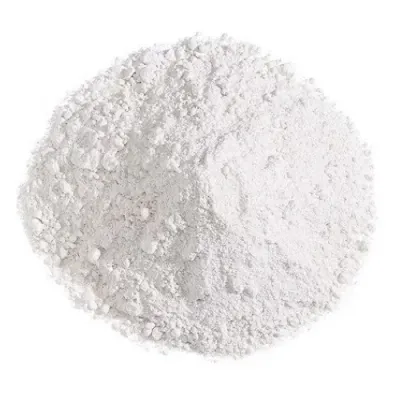
-
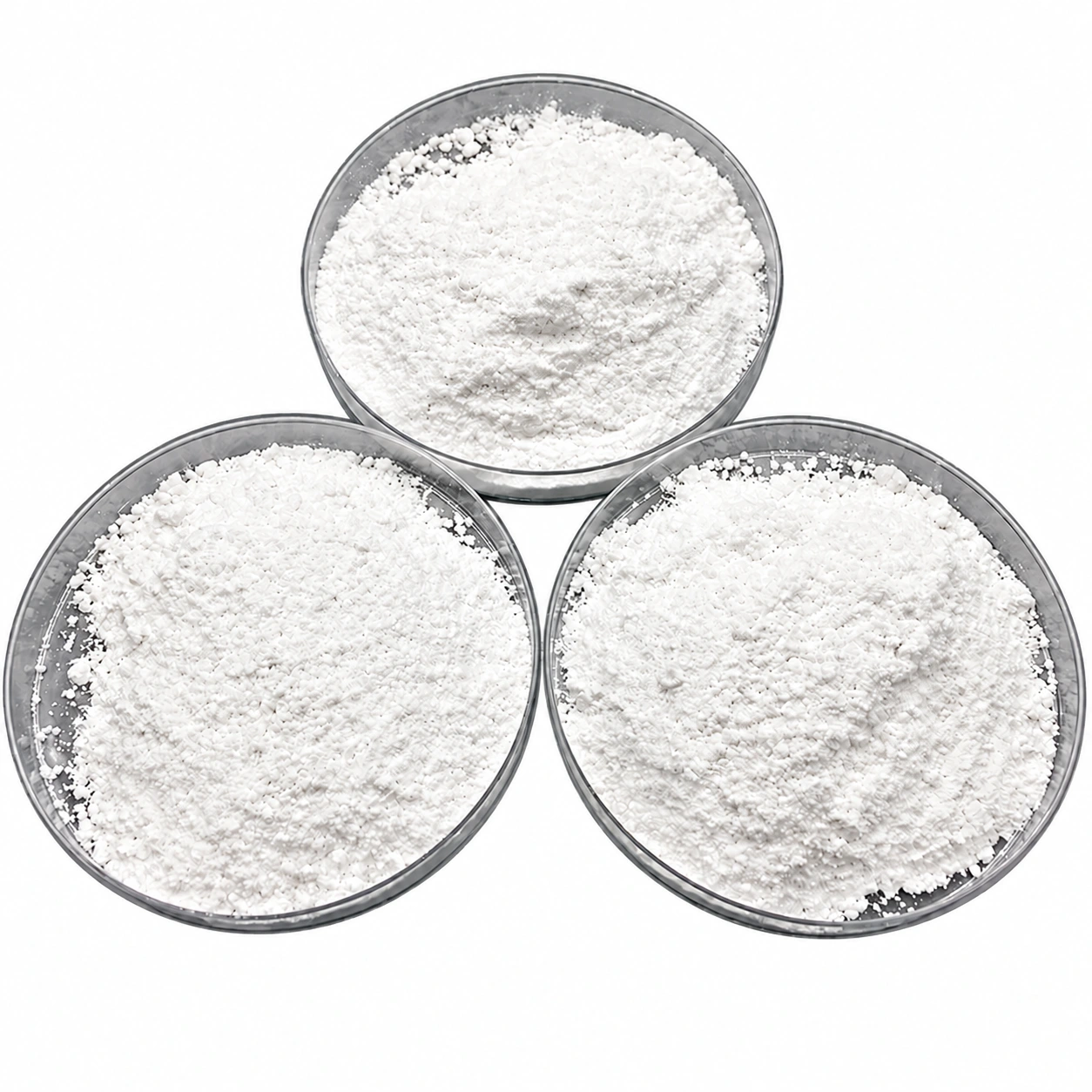
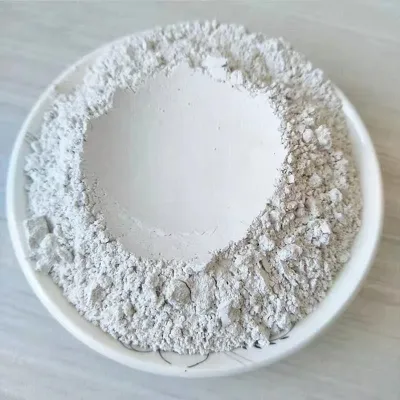
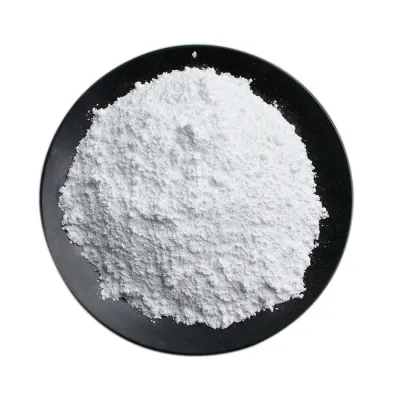
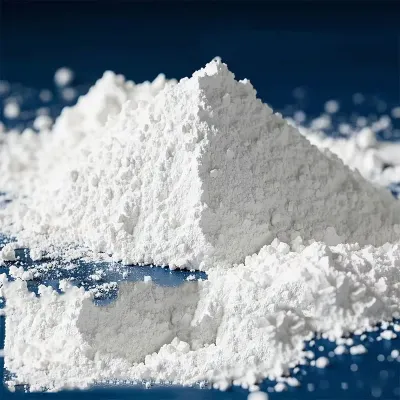
ColorWhitePhysical formPowder
-
Product nameTalc PowderApplicationPaint
-
ColorWhite PowderGradeIndustrial Garde
-
AppearanceWhite Color PowderWhiteness90-94%
-
UsageRaw Material
A paint-talc comparison needs both a mineral specification and an optical measurement that can be interpreted consistently. This industrial white talc powder is a paint raw material with a stated whiteness range of 90–94% for initial evaluation.
Confirm the mineral grade being offered
Request current mineral analysis and a technical specification for the actual talc powder. Define any project-specific mineral exclusion or screening requirements precisely, with supporting documents rather than an ambiguous free-of-material description.
Put the whiteness range on a defined method
Ask how the 90–94% whiteness range is measured and which result applies to the offered grade. Compare that result with the paint project's accepted optical criteria, without treating powder whiteness as a guarantee of finished-film colour or opacity.
Which powder properties should be added?
Obtain unit-defined fineness, relevant morphology information and any surface treatment details. These measurements help make the raw-material comparison specific before evaluating dispersion or another formulation property in the intended binder.
Make the paint trial answer a clear question
Describe the actual coating system and the properties that will decide material acceptance. Evaluate the offered grade against those requirements, keeping any claimed formulation benefit separate from the mineral name and raw-powder optical range.
Include the required mineral analysis, measurement methods and binder brief in the enquiry. That preparation gives the talc evaluation a documented basis without an inferred exclusion claim or an untested coating-performance promise.