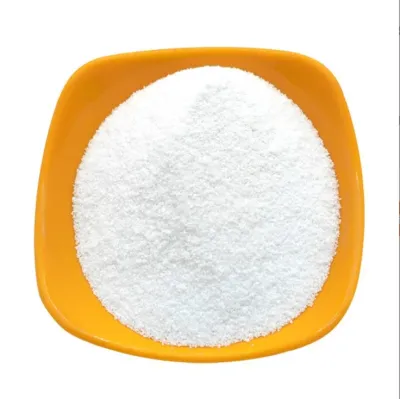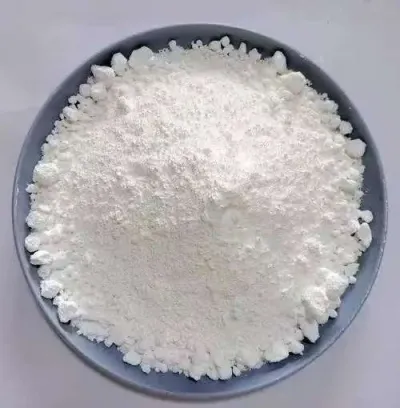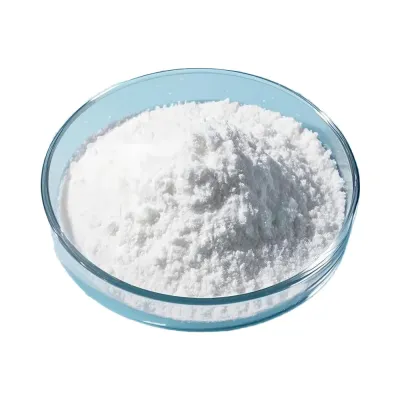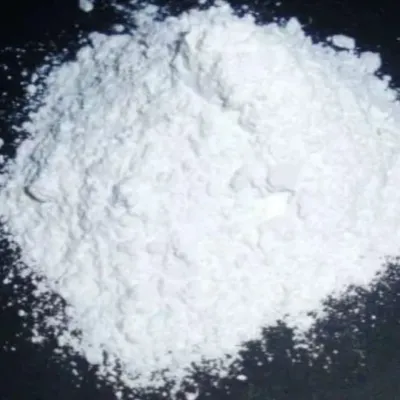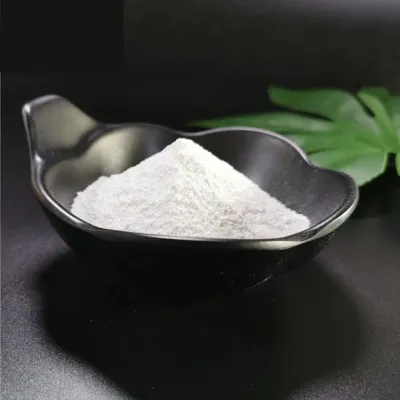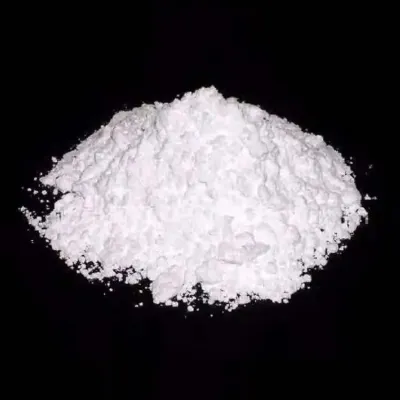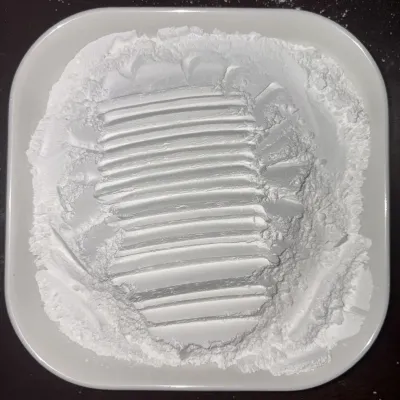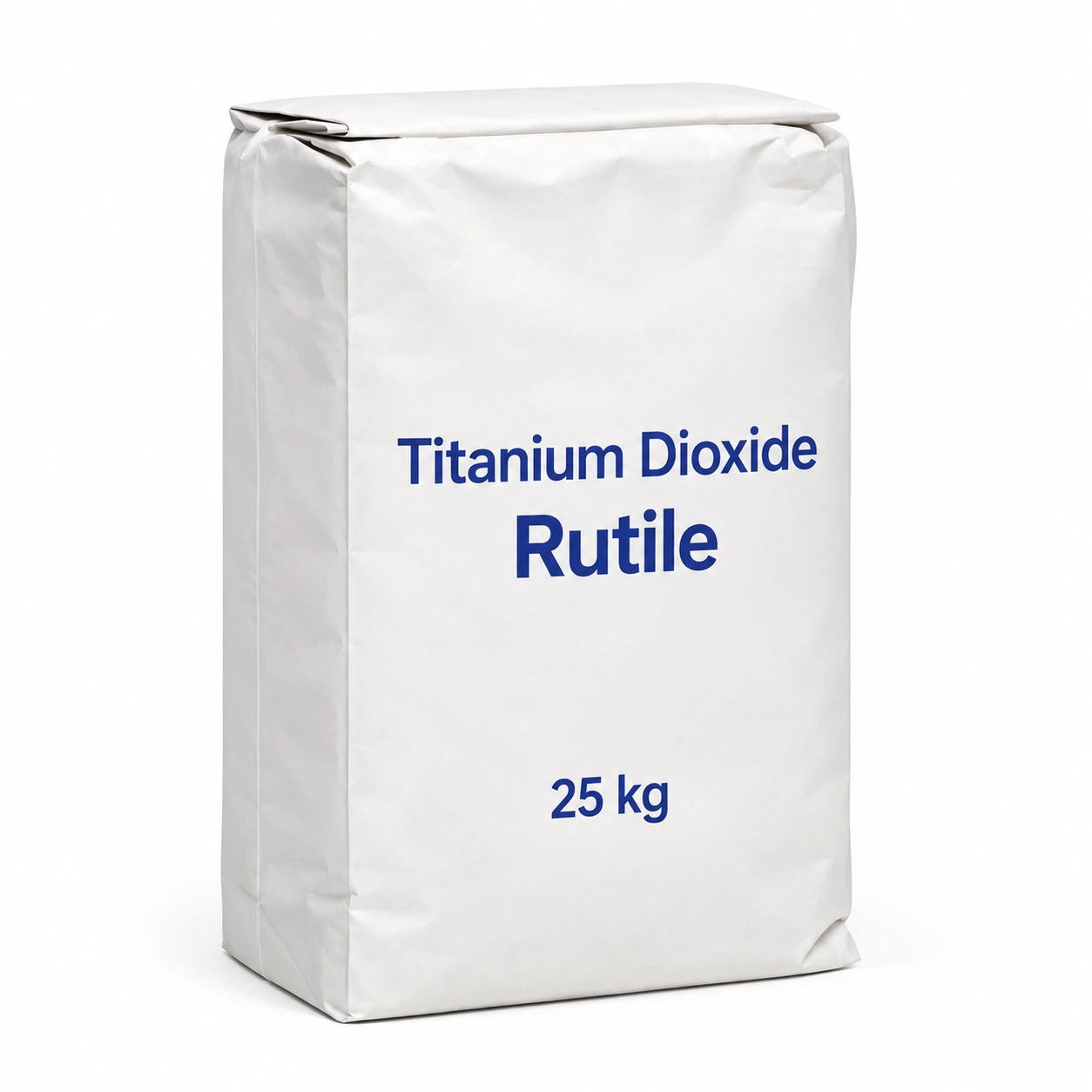
Industrial Titanium Dioxide TiO2 White Powder, 94% Purity, Stated 50nm Particle Size, for Paint, Ink and Plastics
-
Particle-size designationNanometre designationColorWhite
-
Physical formPowder
-
CAS No.13463-677Purity94
-
Appearancewhite powderClassificationTitanium Dioxide
-
Grade StandardIndustrial GradeMolecular FormulaTiO2
-
Other NamesTitanium dioxideProduct nameTitanium Dioxide TiO2
-
UsagePaint Coatings Printing Ink.plasticKeywordsTitanium Oxide Powder
-
ColorWhite ColorGradeIndustrail Grade
-
Package25kg/bagCAS13436-67-7
-
Particle size50nm
For a project with a nanometre particle requirement, the measurement definition should come before a pigment-performance conclusion. This industrial white titanium dioxide powder has a declared 94% purity and stated particle size of 50nm for paint, ink and plastics evaluation.
Ask which particle measurement is being compared
Confirm the statistic and test method represented by the 50nm value, and request the complete distribution for the offered material. Do not treat the descriptor as D50 or an actual dispersion measurement in a binder unless the corresponding report defines it that way.
Establish phase and chemical identity
Obtain current chemical identification, assay and crystal-phase documents before selecting the grade. Ask for any surface treatment information as well, because a titanium dioxide name and percentage do not establish the phase or treatment chemistry.
- Confirm the accepted chemical specification.
- Review the phase and unit-defined particle evidence.
- Agree the relevant binder or polymer optical trial.
Evaluate the actual application response
Paint, printing ink and plastics should each use the conditions and acceptance criteria of the intended formulation. Measure the required opacity, colour and dispersion rather than assuming that a small stated particle size guarantees those results.
Include the actual application and requested measurement definition in the enquiry. A complete grade report and a matched trial make the 94% powder comparison specific without an invented crystal phase or an untested optical-performance promise.