
PCC Precipitated Calcium Carbonate 96% CaCO3 Industrial White Superfine Powder for Paint Acceptance Testing
-
ColorWhitePhysical formPowder
-
CAS No.471-34-1Purity96%
-
Appearancewhite superfine powerApplicationPaint, Plastic, Rubber, Paper Making, Building
-
ClassificationCarbonateEINECS No.207-439-9
-
Grade StandardIndustrial GradeMolecular FormulaCaCO3
-
Other Nameslight Calcium CarbonateTypeCalcium Carbonate
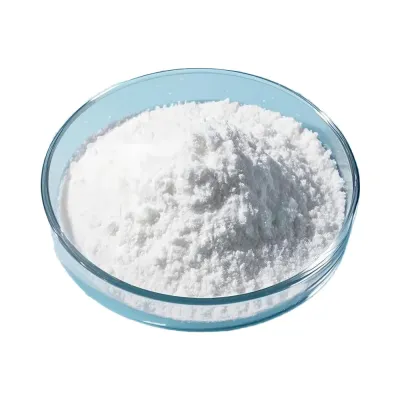
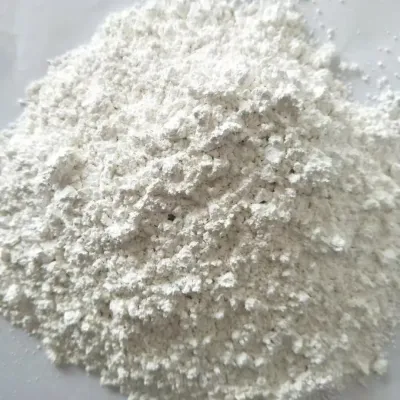
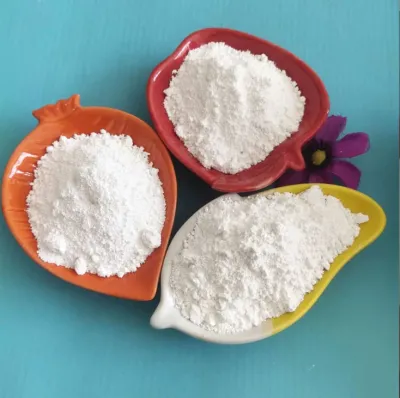
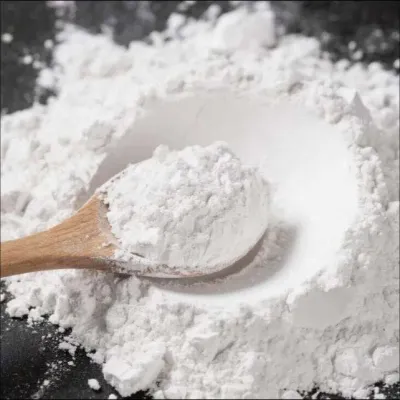
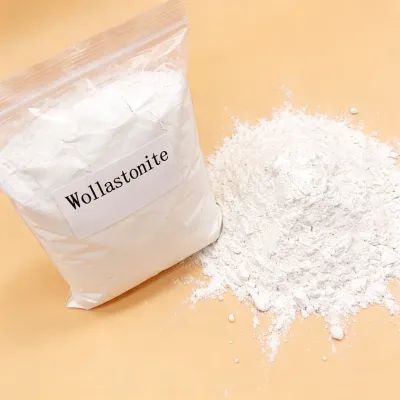
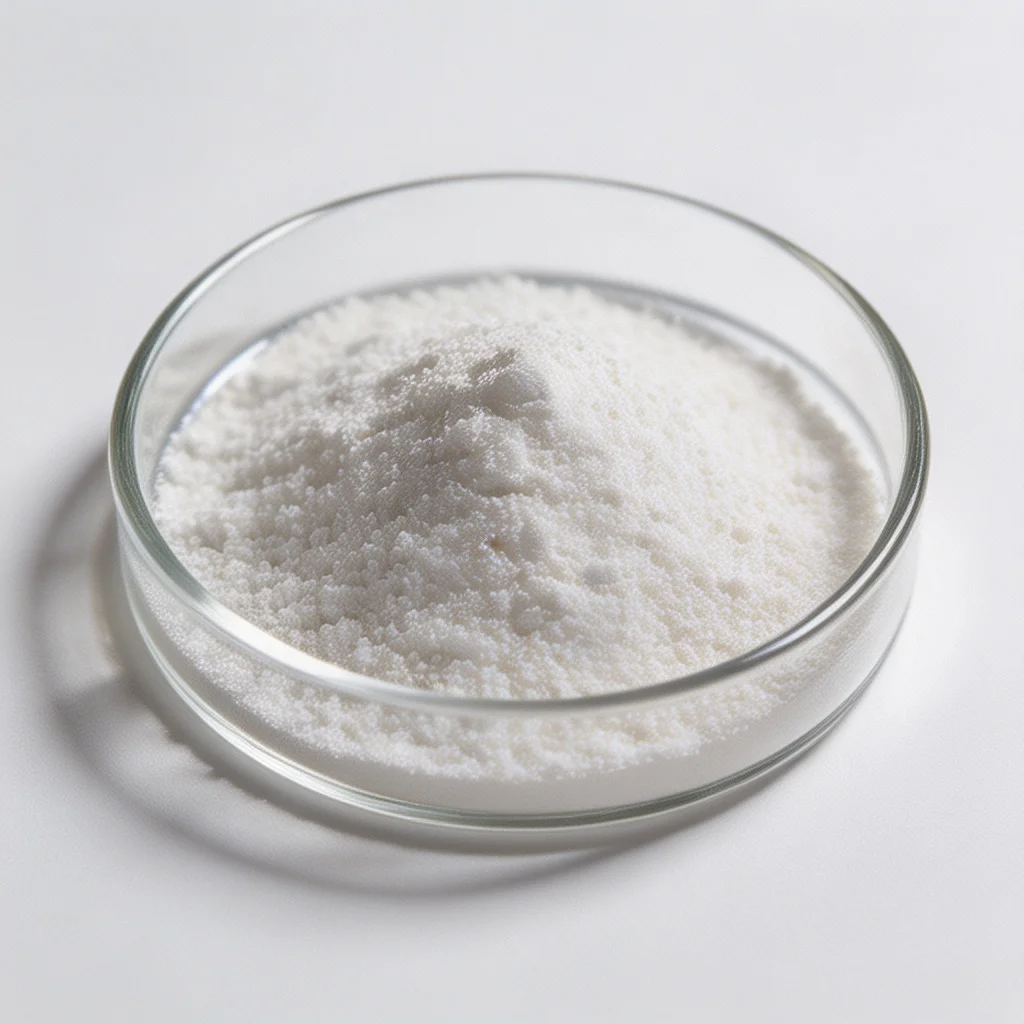
Set the paint acceptance criteria before collecting comparison samples of this industrial PCC. The precipitated calcium carbonate is also named light calcium carbonate and described as white superfine powder, with formula CaCO3 and stated purity 96%.
Begin with the coating that will be assessed
Explain the particular paint formulation and the properties used to judge a candidate powder. Agree the representative trial conditions and how results will be compared. The chemical name alone does not establish dispersion, coverage or a finished-coating gloss result.
Ask what each model choice actually measures
Premium product and standard product are available choices, but their names do not define a purity or particle-size difference. Request current analysis and physical reports for the proposed option. Confirm the reported 96% purity and its analytical basis independently from the particle grading.
Turn superfine into a testable requirement
Specify the particle-distribution or sieve information needed and ask for the method used. White appearance also needs a separate optical report when numerical whiteness is part of acceptance.
Extend the enquiry only with application-specific evidence
Plastic, rubber, paper making and building are further named assessment areas. Each needs its own formulation or process brief rather than an assumption that paint results transfer directly. Request treatment, moisture, oil absorption or other relevant measurements where the application requires them. Keep the sample reference and current technical, analysis and safety documents together so that any conclusion applies to the actual grade evaluated.