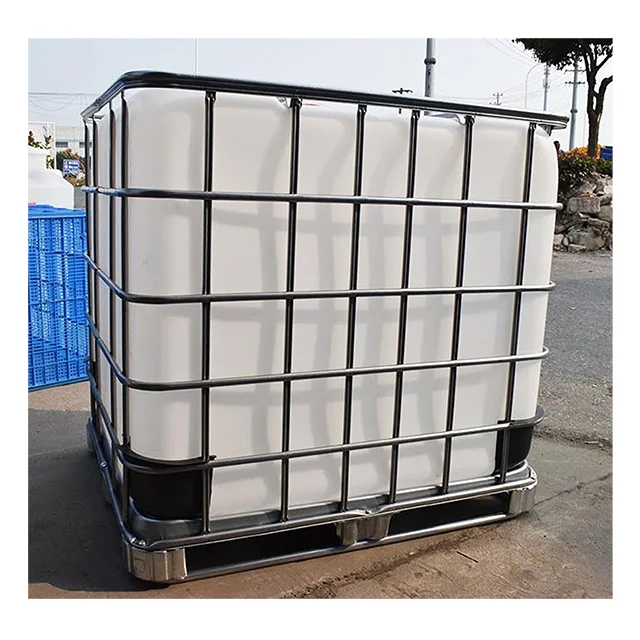
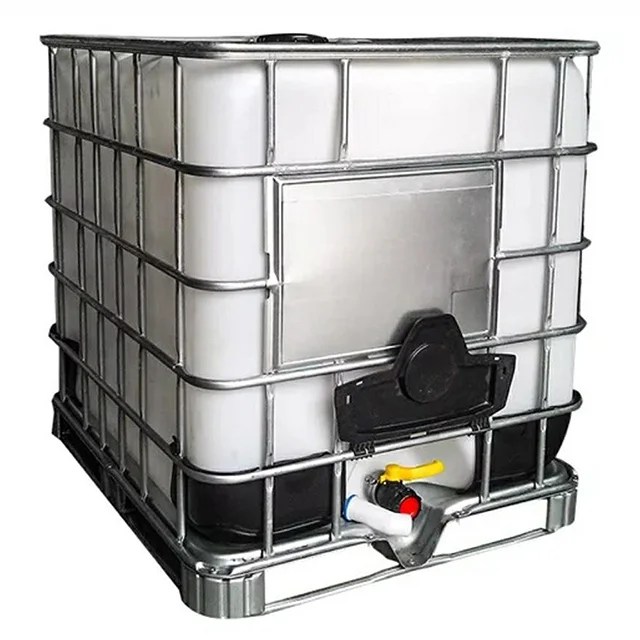
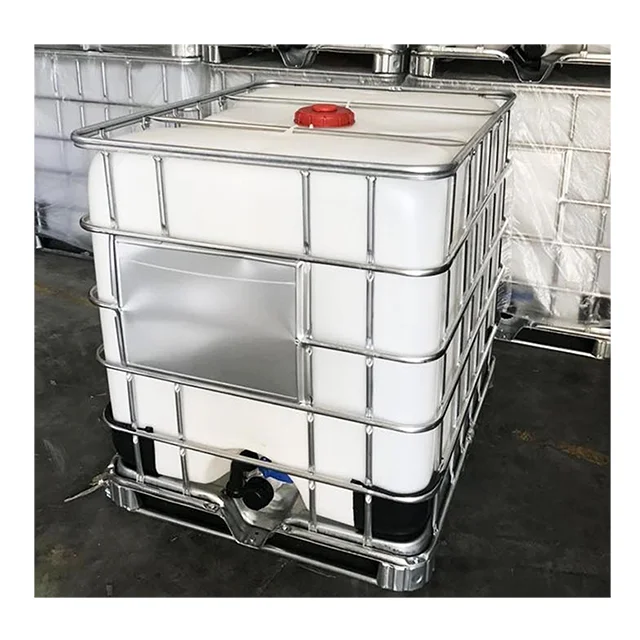
Plastic HDPE Water IBC Tank 1000L, 1200x1000x1150mm Container Configuration Enquiries
-
ColorBlue , White , Black
-
Max Working Pressure(MPa)100 MPa(14503.77psi)video outgoing-inspectionProvided
-
machinery test reportProvidedcore componentsPLC, Pressure Vessel
-
capacity1000L(264.17gal)dimension(l*w*h)1200x1000x1150mm(47.24x39.37x45.28in)
-
warranty2 Yearskey selling pointsHigh Safety Level
-
Product nameIBC TANKMaterialHDPE
-
ColorWhite/Blue/BlackAfter-sales Service ProvidedOnline support
-
After Warranty ServiceVideo technical supportCertificationCCS
-
ConditionNewApplicable IndustriesManufacturing Plant, Food & Beverage Factory, Energy & Mining
-
Marketing TypeNew Product 2020Warranty of core components2 Years
-
Weight57
The 1000L IBC model identifies a plastic HDPE water-container tank with stated dimensions of 1200x1000x1150mm. Those details support a configuration enquiry, while actual assembly, usable capacity and operating conditions still need to be matched to the intended installation.
Check the IBC footprint and assembled configuration
Obtain a current drawing defining the tank and supporting assembly, including openings, valve and closure details. Confirm dimensional tolerances and clearances for filling and discharge before treating the stated dimensions as a complete installation specification.
Confirm the usable water-container requirements
Identify the water quality, contact duration and operating temperature relevant to the application. A water-tank title does not establish potable-water or food-contact approval, and other contents need their own compatibility assessment.
- Material record
- Confirm the actual HDPE grade and construction used in the offered tank.
- Capacity record
- Agree usable capacity and the conditions applying to the assembled container.
- Operating record
- Obtain relevant compatibility and test results for the actual contents and use.
Validate tank ratings through applicable evidence
Pressure, machinery-component and certificate labels need corroborating documents before they support a rating or approval. Request actual reports and certificate scope rather than assuming pressure-vessel or dangerous-goods status.
Complete the container comparison using the identified model, matched drawings and construction records. Selection should connect the tank's actual interfaces and operating evidence to the installation and contact requirements being evaluated.