Polyaluminium Chloride PAC Powder for Drinking-Water Grade Assessment, Al2O3 28% or 30%
-
ColorYellowPhysical formPowder
-
CAS No.1327-41-9Purity28%-30%
-
pH Value3.5-5.0Adsorbent VarietyOther
-
EINECS No.215-477-2Molecular Formula[Al2(OH)nCl6-n]m
-
StatePowderWater Treatment ScenarioWastewater Treatment
-
Product TypeFlocculant / CoagulantDosage5-30 mg/L
-
Effective Concentration (%)28%-30%Ionic TypeCATIONIC
-
Product NamePolyaluminium Chloride (PAC)TypeWater Treatment Chemical
-
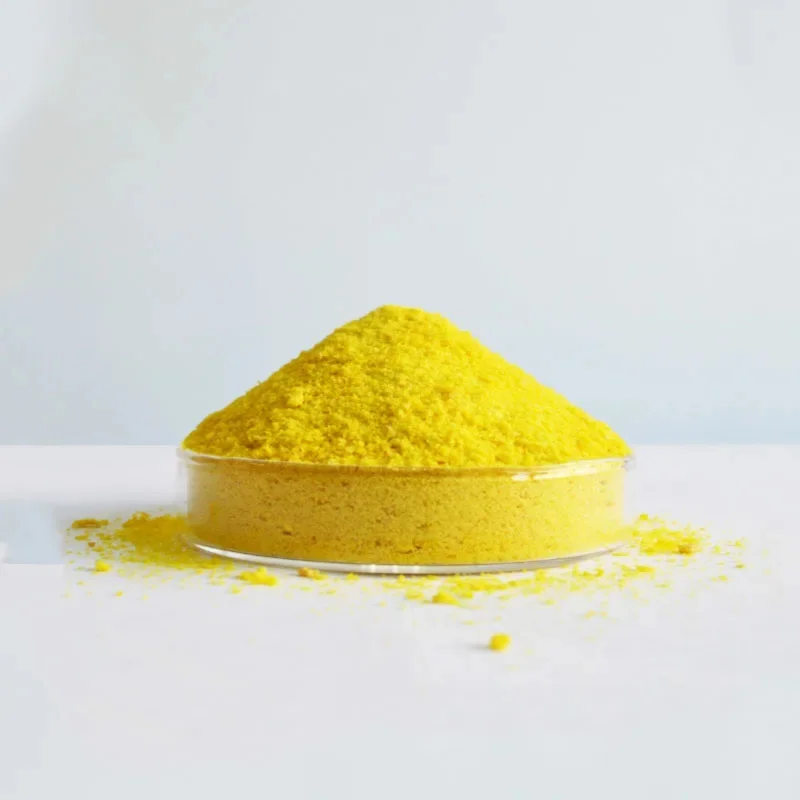
AppearanceYellow Powder, Light Yellow PowderActive Ingredient ContentAl2O3 28% / 30%
-
Grade StandardIndustrial Grade Drinking Water GradeBasicityAl2O3 ≥28% / ≥30%
-
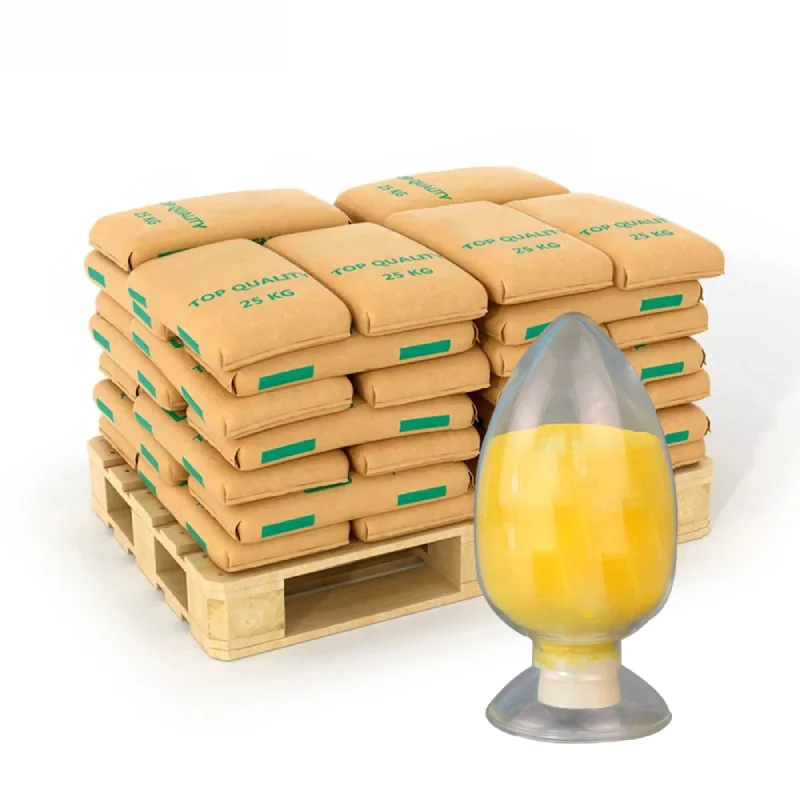
ApplicationWater Treatment,Wastewater Treatment,Drinking Water PurificationPacking25kg Bag / 1000kg Jumbo Bag
-
SampleAvailableStorageStore in Cool, Dry and Well-Ventilated Place
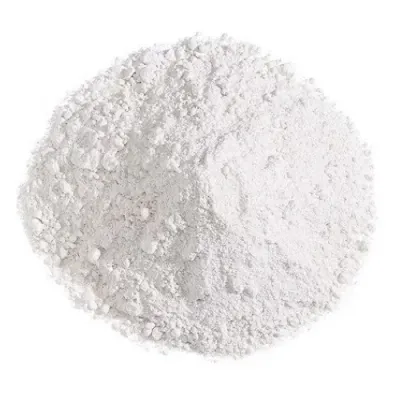
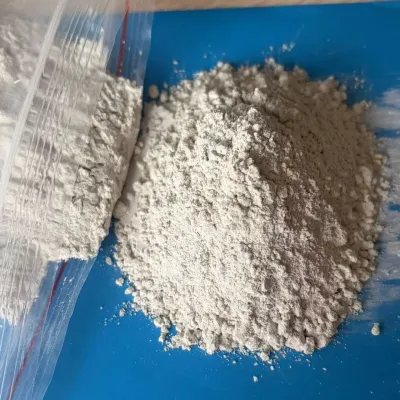
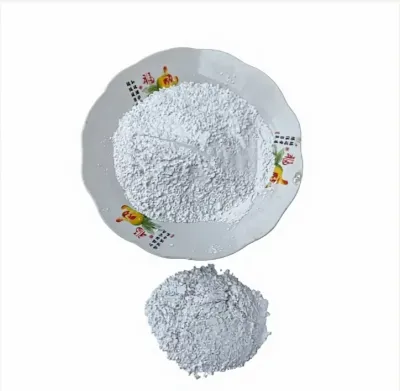
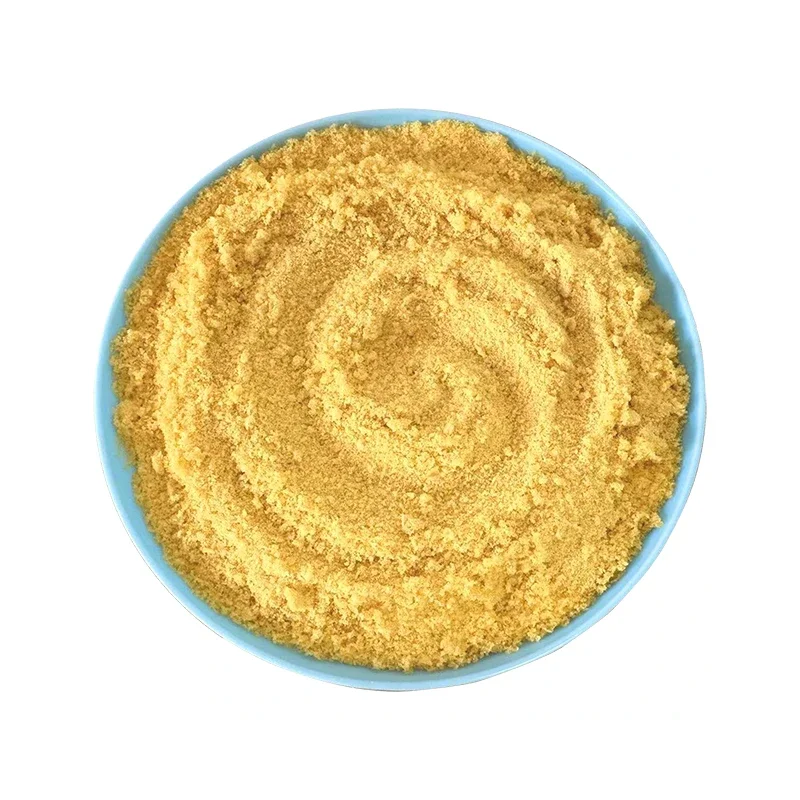
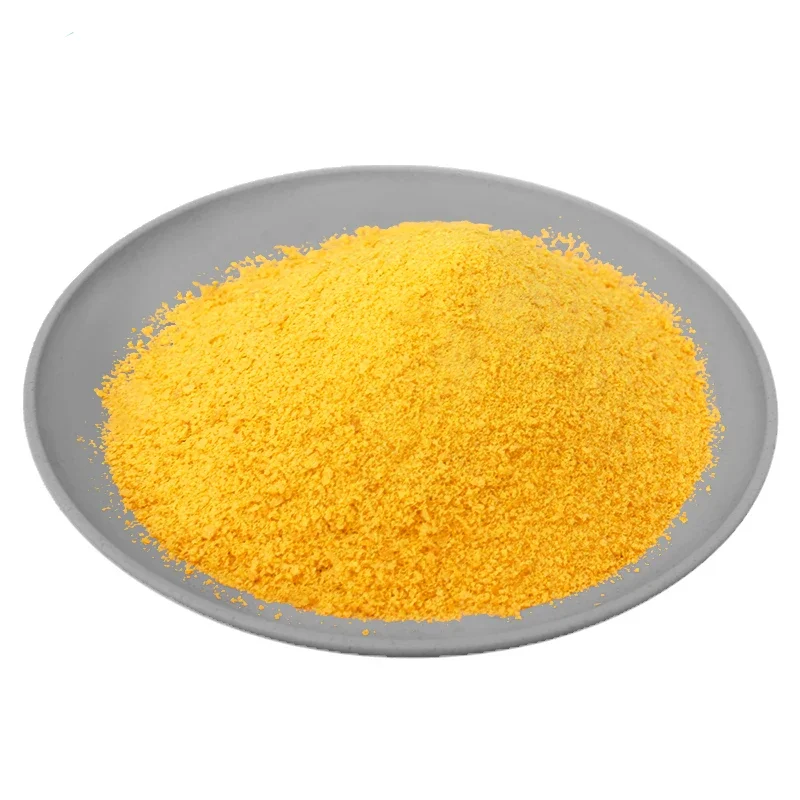
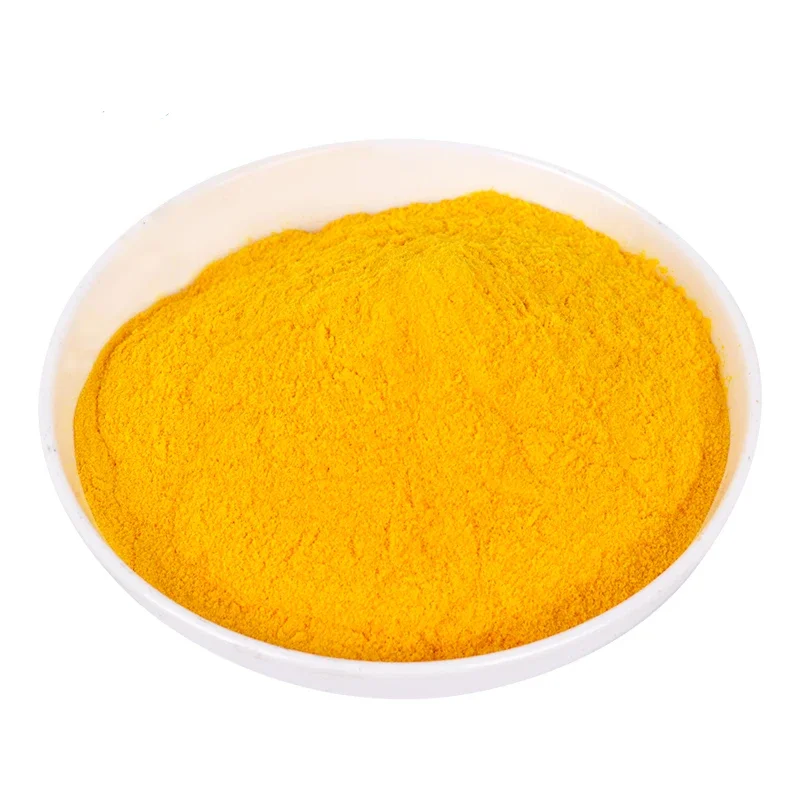
A drinking-water-grade enquiry should begin with applicable approval documents and measured composition, rather than a grade name alone. This PAC material is a yellow or light-yellow cationic coagulant powder with stated Al2O3 content of 28% or 30% for technical assessment.
Confirm the drinking-water approval that applies
Request current grade approval and impurity-compliance evidence for the actual offered powder and intended use. An industrial or drinking-water descriptor does not establish the scope of an approval, and it should not substitute for the applicable documentation.
Make insoluble matter an explicit measurement
Ask for the actual insoluble-matter result, accepted limit and method used to measure it. A low-insoluble description does not provide a numerical guarantee, so compare the report with the plant’s material requirements before deciding on the grade.
- Grade questions
- Confirm the actual alumina content, measured basicity and required impurities.
- Stability question
- Define the property, conditions and evidence behind any stability requirement.
Assess the powder in representative water
The stated product pH is 3.5–5.0, with concentration and method to confirm. It does not define the treatment water’s operating range, and dosing and acceptance should be established through a relevant water-specific trial.
Samples are available, with terms, current technical reports and storage documents to be agreed. Put the required approvals, insoluble-matter limit and accepted treatment measurements into the enquiry so the technical comparison addresses the real grade decision without assuming potable suitability, stable performance or a universal treatment dose.