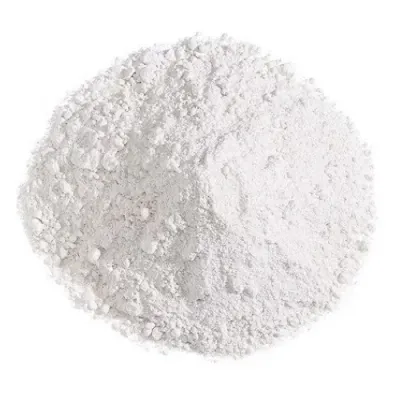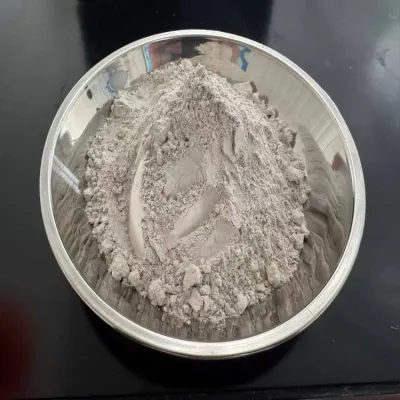
Polyaluminium Chloride PAC Powder for Water-Treatment Coagulation and Sedimentation Trials, Al2O3 28% or 30%
-
ColorYellowPhysical formPowder
-
CAS No.1327-41-9Purity28%-30%
-
pH Value3.5-5.0Adsorbent VarietyOther
-
EINECS No.215-477-2Molecular Formula[Al2(OH)nCl6-n]m
-
StatePowderWater Treatment ScenarioWastewater Treatment
-
Product TypeFlocculant / CoagulantDosage5-30 mg/L
-
Effective Concentration (%)28%-30%Ionic TypeCATIONIC
-
Product NamePolyaluminium Chloride (PAC)TypeWater Treatment Chemical
-
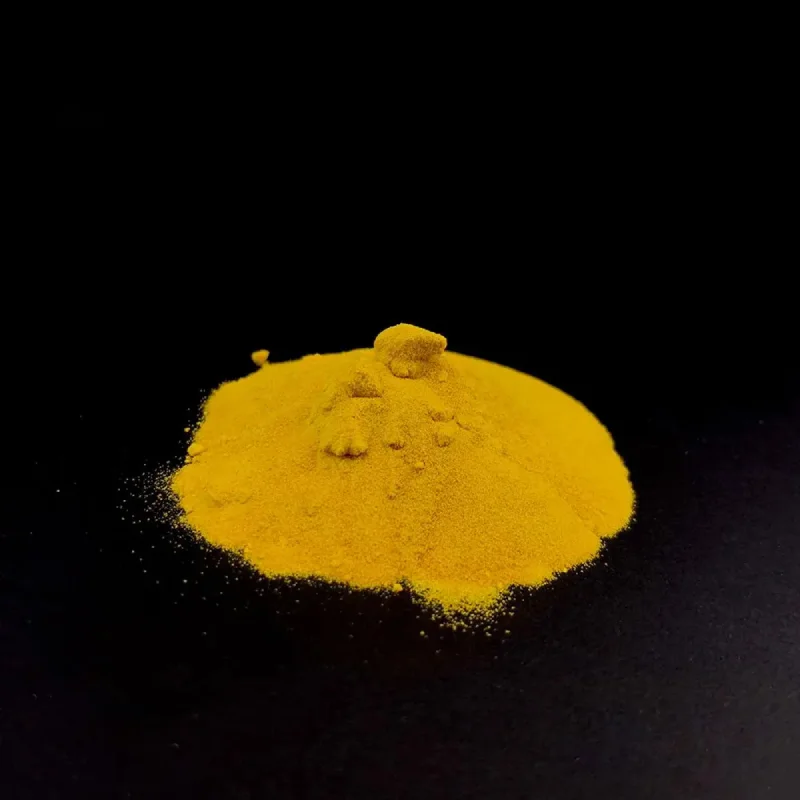
AppearanceYellow Powder, Light Yellow PowderActive Ingredient ContentAl2O3 28% / 30%
-
Grade StandardIndustrial Grade Drinking Water GradeBasicityAl2O3 ≥28% / ≥30%
-
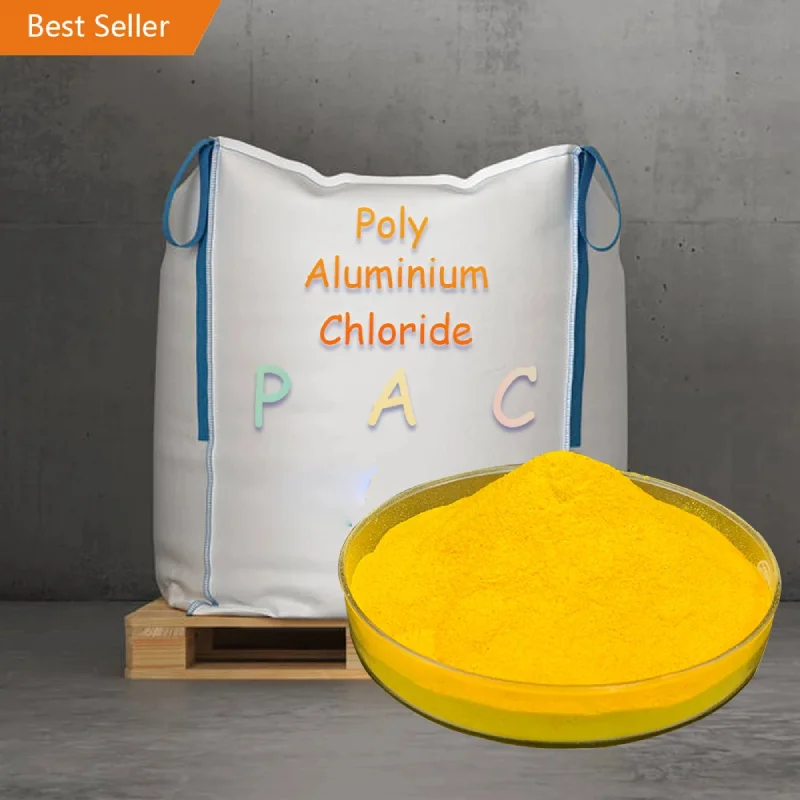
ApplicationWater Treatment,Wastewater Treatment,Drinking Water PurificationPacking25kg Bag / 1000kg Jumbo Bag
-
SampleAvailableStorageStore in Cool, Dry and Well-Ventilated Place
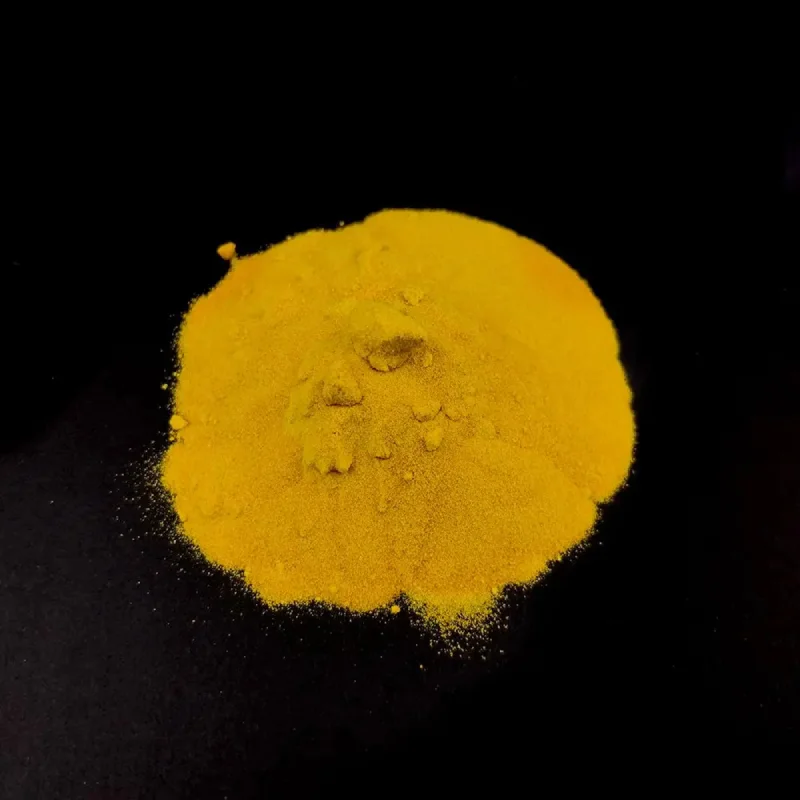
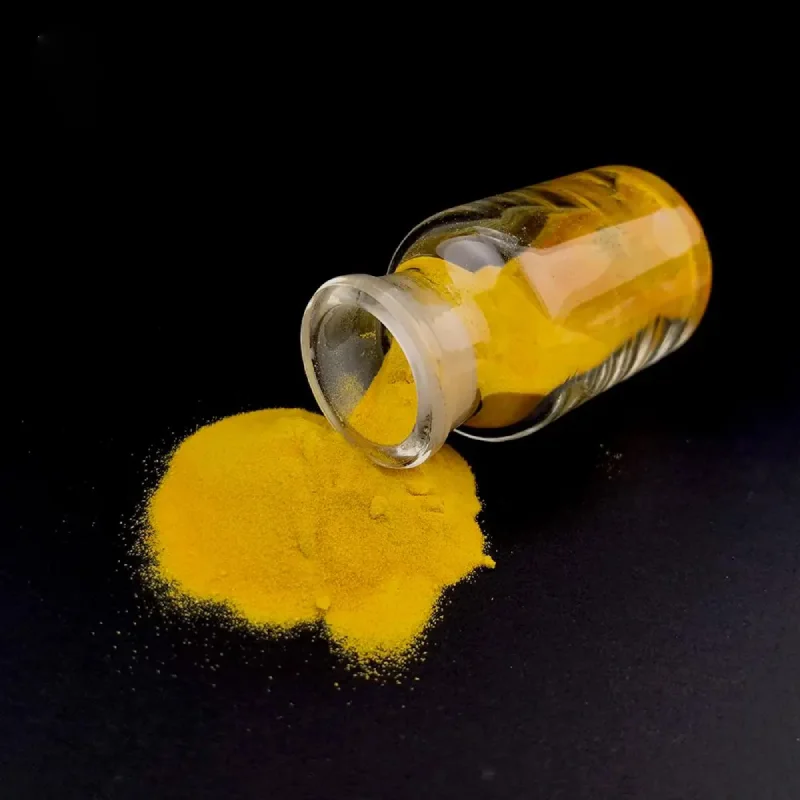
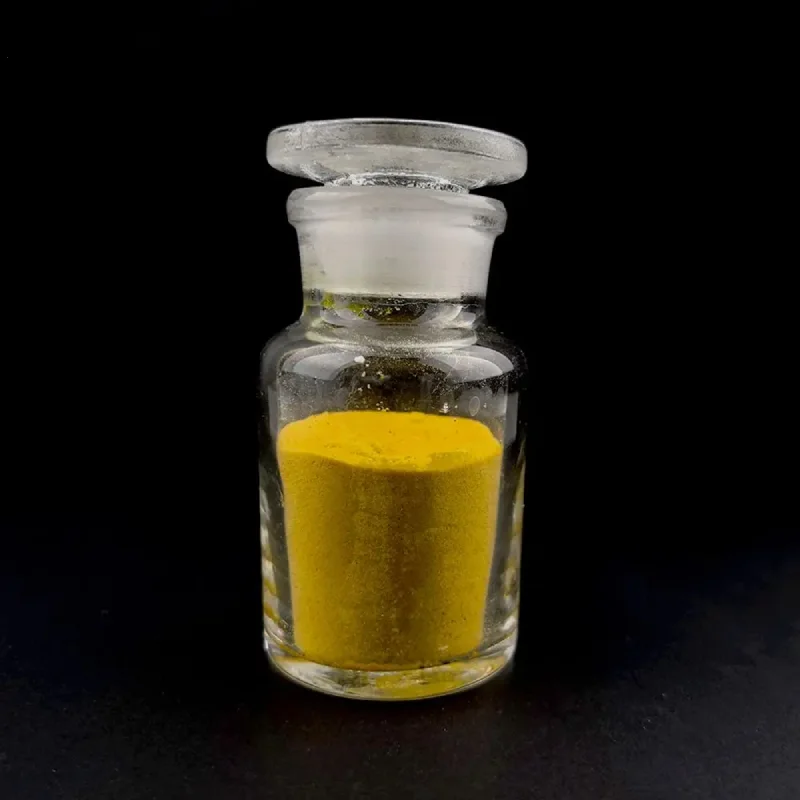
A coagulation and sedimentation comparison should begin with the water being treated and the result that counts as acceptable. This PAC powder is described as cationic and yellow or light yellow, with stated Al2O3 content of 28% or 30% for grade assessment.
Define the clarification and settling targets
Describe the incoming water and the measurements that the treatment trial must meet. Coagulant identity provides a material category, while the actual clarification and settling response must be measured in the relevant water rather than assumed from a promotional description.
Compare the PAC chemistry on a common basis
Confirm which Al2O3 grade is offered and request current basicity and impurity results. The two alumina descriptions do not establish selectable variants, and alumina content should remain separate from the measured basicity used for a meaningful grade comparison.
- Provide representative influent and the accepted treatment measurements.
- Review the actual powder analysis and product test methods.
- Agree a plant-specific jar test before selecting treatment conditions.
Clarify the product-pH and sample documents
The stated product pH is 3.5–5.0, with the test method and concentration still to confirm. Treat that as a product measurement rather than a guaranteed operating window, and establish dosing through the relevant evaluation.
Samples are available; confirm terms, technical reports and applicable storage conditions. Any potable-water enquiry also requires the appropriate grade approvals, and no universal dose or sedimentation improvement follows from the powder’s cationic coagulant description.