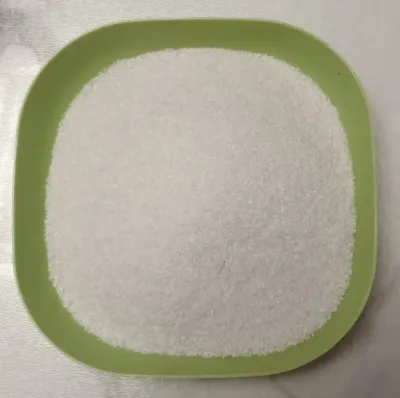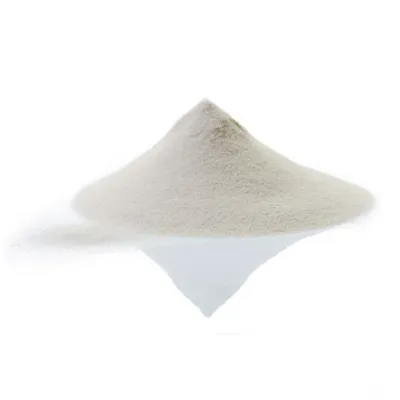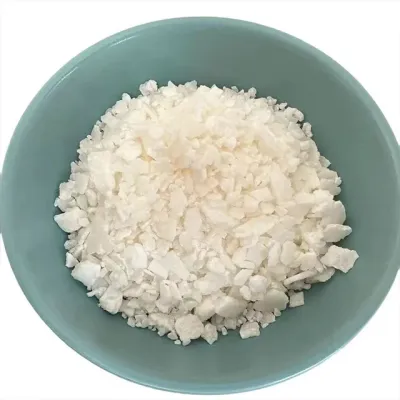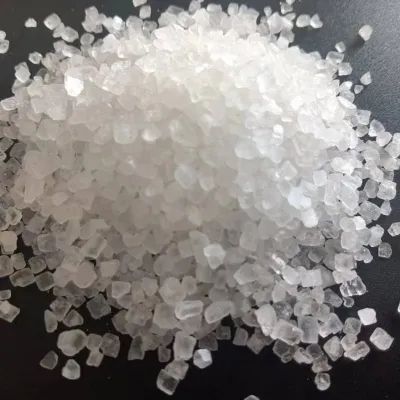
Industrial Calcium Chloride CaCl2 Flake Grade Enquiries for Water Treatment and Snow Melting
-
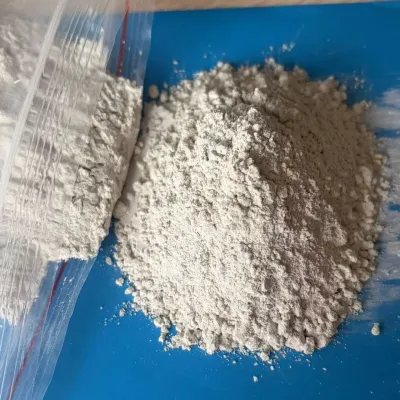
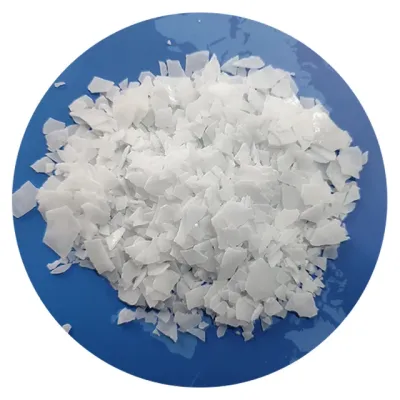
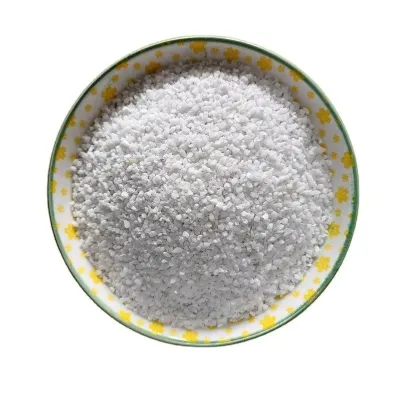
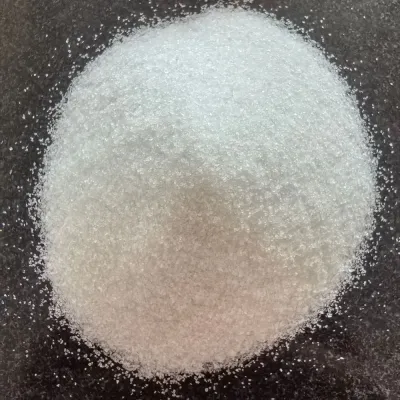
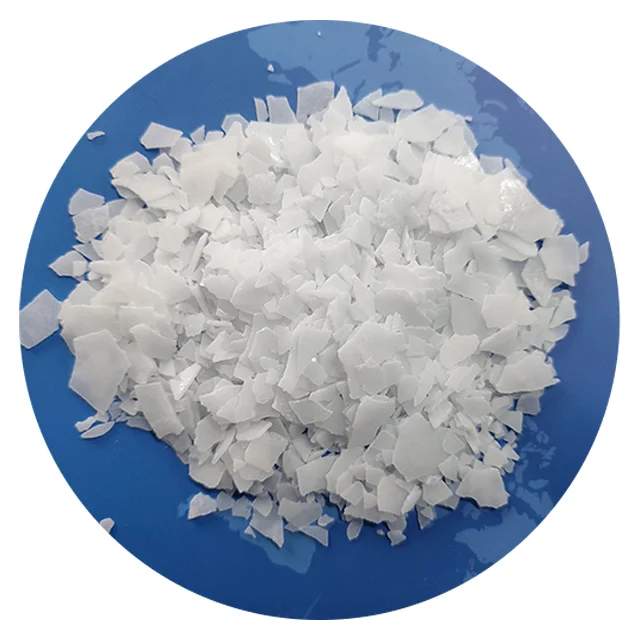
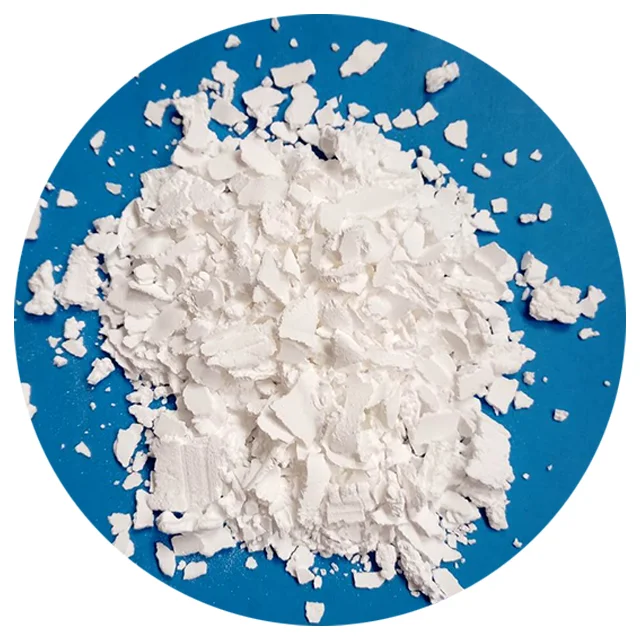
ColorWhitePhysical formFlakes , Powder
-
CAS No.10043-52-4Purity74%, 77%, 94%, 74%, 77%, 94%
-
Appearanceflakes , prills, powder, White FlakeApplicationwater treatment snow melt agent
-
ClassificationChlorideEINECS No.233-140-8
-
Grade StandardIndustrial Grade, Industrial GradeMolecular FormulaCaCl2
-
Other NamesCalcium ChlorideTypeCalcium Chloride
-
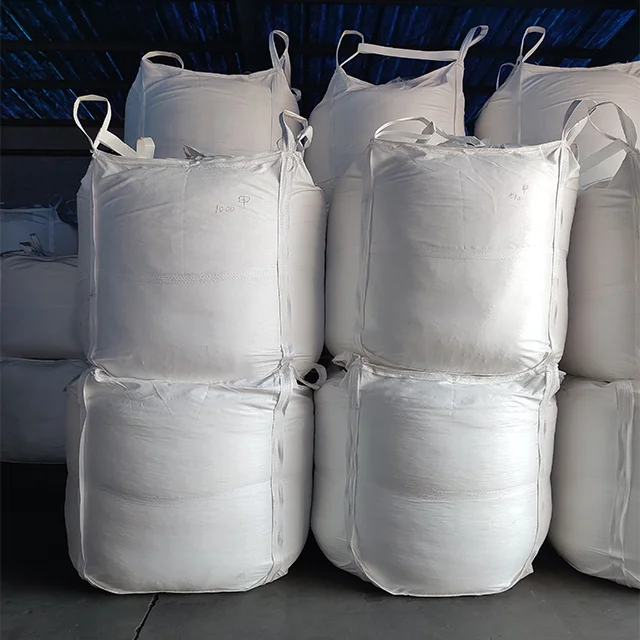
Product NameCalcium ChoridePackage25kg/50kg/1000kg PP + PE Bag
-
MELTING POINT772 °C (lit.)HS CODE28272000.00
-
CAS10043-52-4DENSITY1.086 g/mL at 20 °C
A calcium chloride flake enquiry needs the actual offered form and analytical basis before numerical grades can be compared. The industrial CaCl2 listing includes water-treatment and snow-melting directions, alongside several assay figures and physical forms without a mapped selection.
Match the chloride assay to the offered form
Ask which figure belongs to the material being offered and obtain its current analysis. Confirm composition, hydration basis, impurities and relevant particle or preparation criteria rather than assigning a hydrate from an assay percentage.
- Flake question
- Which actual form and physical criteria apply to this enquiry?
- Analytical question
- What basis, method and limits define the offered calcium chloride?
- Physical-data question
- Which state, concentration and method support the reported measurements?
Specify the water-treatment function
Describe the actual ingredient role, water conditions and treatment objective. Obtain representative acceptance evidence without treating a broad water-treatment label as a dose recommendation or potable-water approval.
Require evidence for the snow-melting conditions
Define the intended operating context and the results needed to accept the material. No freezing performance, use-temperature limit or corrosion result is established by the snow-melting direction alone.
Density and thermal entries need a confirmed material state and method before they become relevant selection criteria. Match current technical and safety records to the identified form, then evaluate the offered grade using analysis and representative results for the specific water-treatment or snow-melting role being considered.