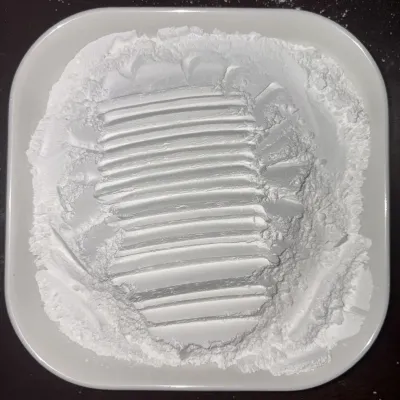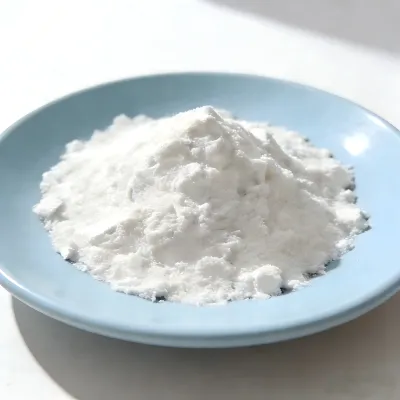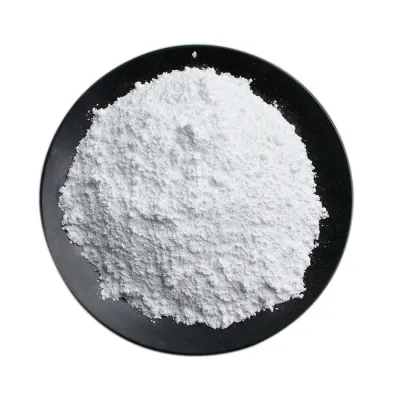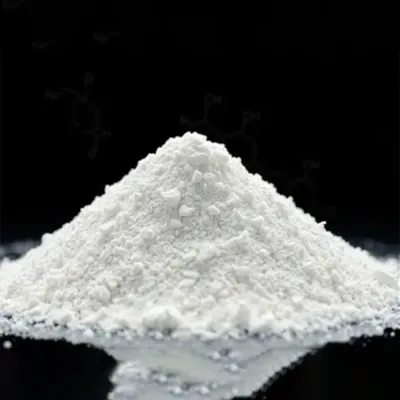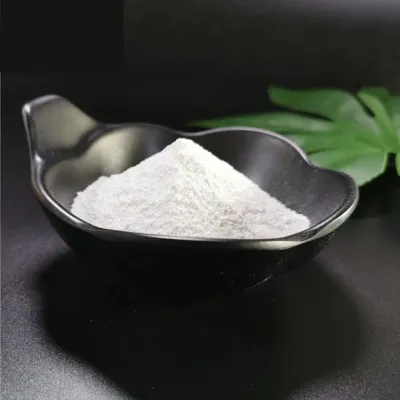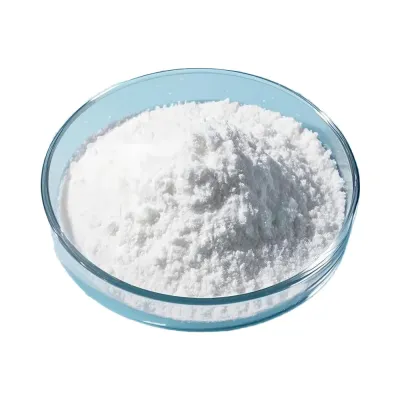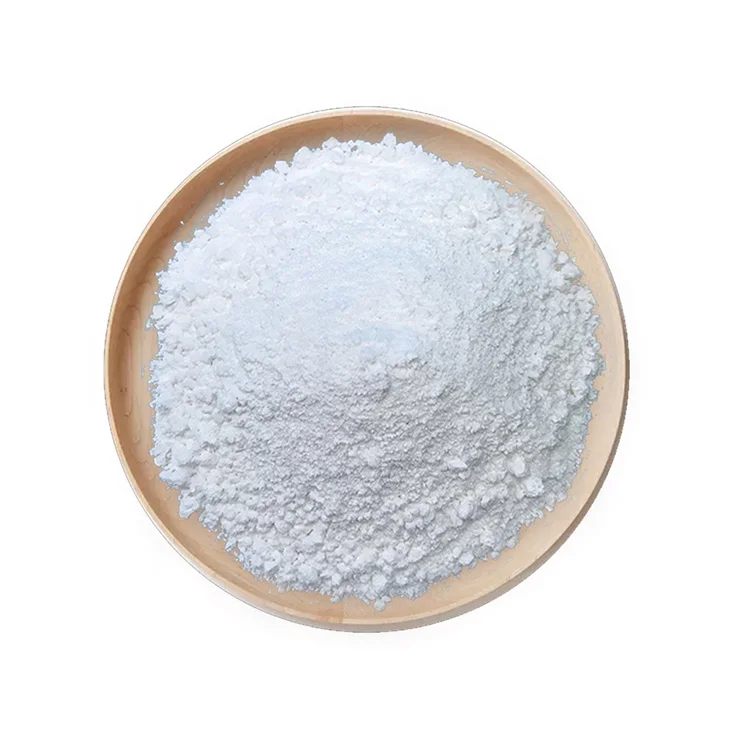
Precipitated Barium Sulfate, 98% Purity, for Plastic, Coating, Printing and Battery Trials
-
ColorWhitePhysical formPowder
-
CAS No.7727-43-7Purity98%
-
Appearancewhite powderApplicationplastic,coating,print,battery
-
ClassificationSulphateMolecular FormulaBaSO4
-
TypeBarium SulfatePH8-9
-
Whiteness99D500.74
-
oil absorption15-18certificationISO
A method-defined pH comparison can help organise a precipitated mineral enquiry. This white barium sulfate powder has stated purity of 98% and pH of 8–9. Plastic, coating, printing and battery uses are named directions that need their own technical acceptance requirements.
Compare the pH result with the formulation requirement
Request the method and preparation conditions used for the stated pH range. Check whether the result can be compared directly with the project's own specification. A similar pH value between two powders does not establish identical processing behaviour or compatibility with every formulation.
Complete the particle and optical measurements
Ask for a full particle distribution with units and a defined measurement method. Obtain the whiteness scale and oil-absorption basis separately. These reports should describe the sample actually evaluated rather than relying on a chemical name as evidence of a particular fineness or appearance result.
Choose one application path for the sample
A coating enquiry needs its intended binder and film criteria, while a plastic project needs the relevant polymer and process. Printing and battery projects also require their own material role and acceptance tests. Assess the selected powder through the conditions that matter to that specific use.
Bring the documents to the acceptance decision
Request current assay and any applicable certificate scope before final selection. Keep those records with the sample's particle, optical and pH methods. The decision can then use a documented material comparison and relevant application evidence without assuming a universal compatibility or certified-performance result.