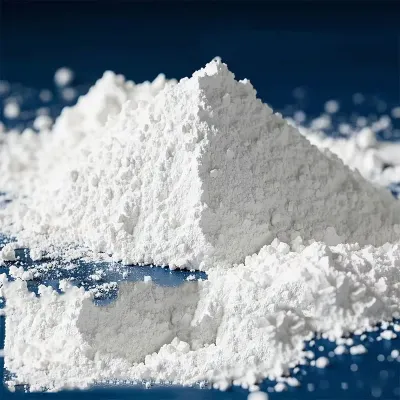
-
Particle-size designationD97 specified , D50 specifiedColorWhite
-
Physical formPowder
-
CAS No.7727-43-7Purity98.6% Min
-
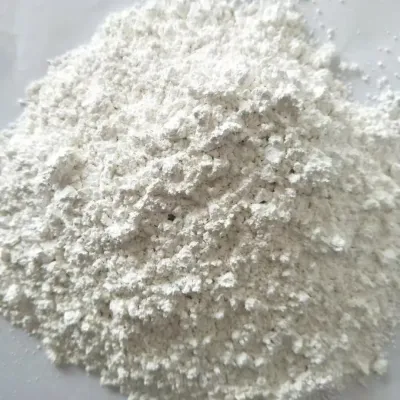
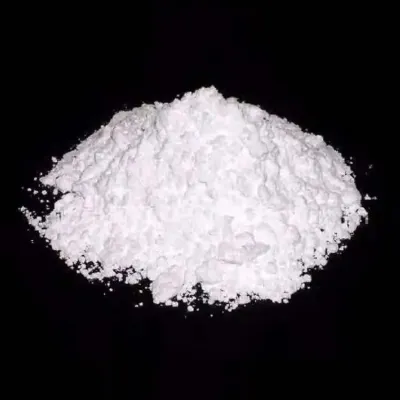
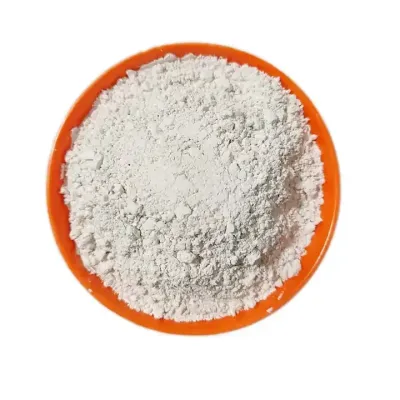
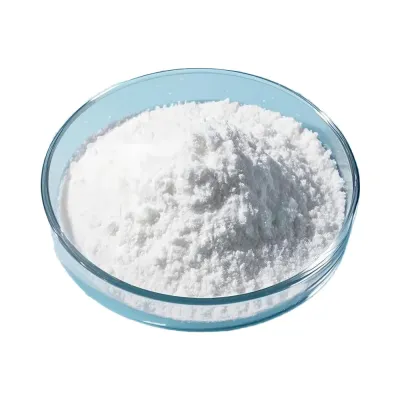
AppearanceWhite PowderApplicationPaint industry
-
ClassificationSulphateEINECS No.231-793-3
-
Grade StandardIndustrial GradeMolecular FormulaBaSO4
-
Other Namesprecipitated barium sulfateTypeBarium Sulfate
-
Product name:market price of 98% barium sulphateBaSO4 Content (%)98.6
-
D97 particle size (μm)2.5D50 particle size (μm)0.7
-
Whiteness (%)98.8pH Value7~8
-
Specific Gravity (g/cm3)4.4Oil Absorption (g/100g)13~15
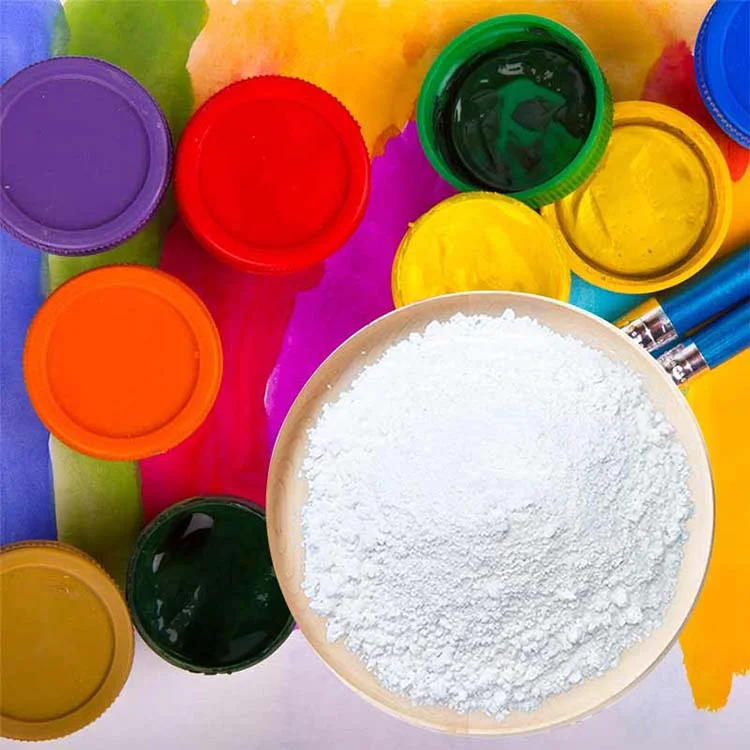
Two particle percentiles make this precipitated barium sulphate a more defined paint-material candidate than a purity figure alone. The industrial white powder has 98.6% minimum purity, with D50 at 0.7μm and D97 at 2.5μm for a measured grade comparison.
Read the two particle values together
Compare both percentiles with the current paint-filler specification and request the full particle-distribution report. Confirm the measurement method before attributing a dispersion or finished-film benefit to either number; an isolated median does not describe every particle in the powder.
Bring oil demand into the binder discussion
Oil absorption is 13–15g/100g, alongside a specific-gravity value of 4.4g/cm3. Use those source measurements to frame the technical exchange, while confirming their methods and the actual binder conditions before selecting a formulation trial.
- Powder colour
- Whiteness is 98.8%, subject to the relevant measurement method.
- Acidity range
- The stated pH is 7–8; agree test conditions when comparing grades.
Decide the paint result through the trial
Ask whether any surface treatment applies to the offered precipitated grade. Then assess the powder in the intended paint system, with gloss, opacity and dispersion judged by that formulation's own acceptance tests.
Include the required assay, both particle percentiles and the binder brief in the enquiry. Request the current chemical analysis as part of that technical exchange. This gives the evaluation a precise raw-material starting point without turning powder measurements into an untested finished-paint guarantee.