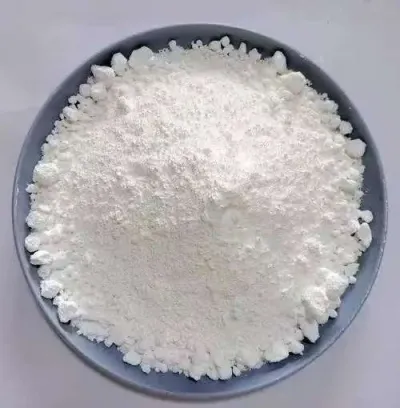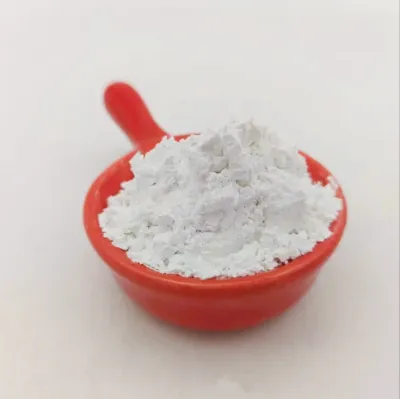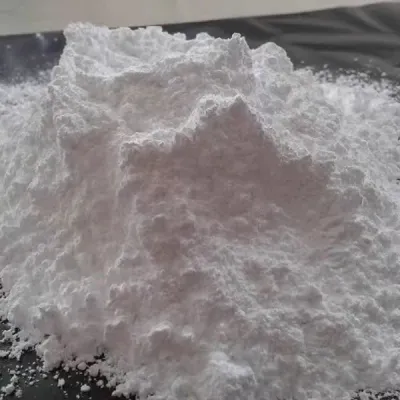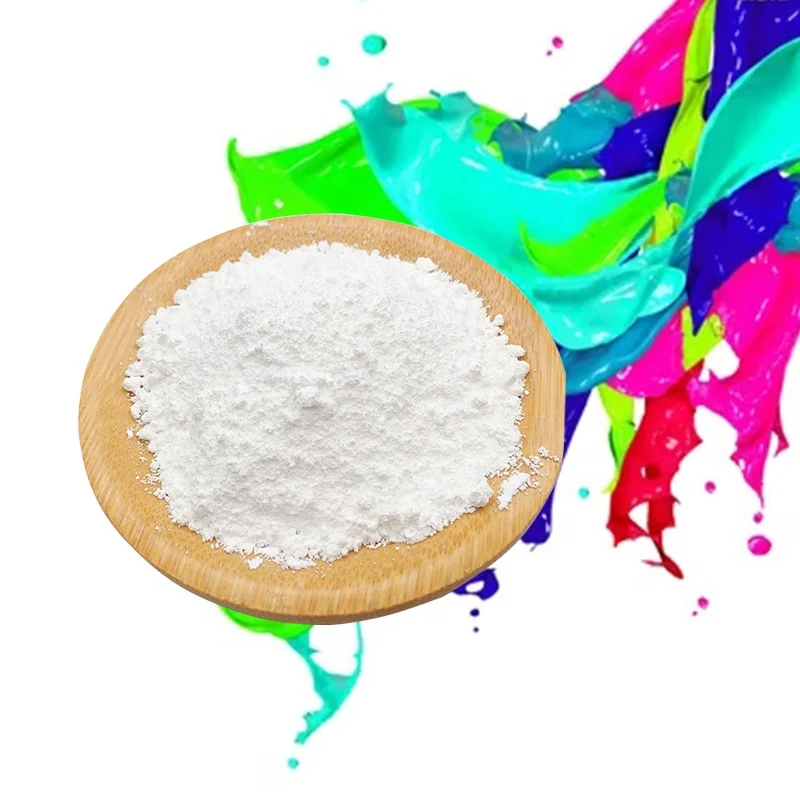
Precipitated Barium Sulphate Blanc Fixe, D50 1.2 μm, for Powder Coating Trials
-
Particle-size designationD50 specifiedColorWhite
-
Physical formPowder
-
CAS No.7727-43-7Purity98.5, 99
-
AppearanceWhite powderApplicationPowder coating
-
ClassificationSulphateEINECS No.231-784-4
-
Grade StandardHigh gloss powder coatingMolecular FormulaBaSO4
-
Other NamesBlanc fixeTypeBarium sulfate
-
DispersitygoodWhiteness98.7
-
D501.2 μm
High-gloss powder-coating work needs a mineral comparison tied to the resin and cure system. This white precipitated barium sulphate, also named blanc fixe, has a stated D50 of 1.2 μm. Powder coating is its explicit application direction, with high gloss providing a relevant trial objective.
Turn the gloss target into a measurable comparison
Identify the gloss method and finished-film acceptance level before testing the powder. Keep the resin, cure conditions and other comparison variables defined. A powder-coating application description does not establish a gloss result in every formulation or under every measurement condition.
Use D50 alongside the complete particle profile
The body particle parameter states D50 as 1.2 μm. Request its measurement report and the wider distribution before judging whether the profile meets the coating requirement. Ask separately for the whiteness scale and a current assay with an unambiguous analytical basis.
- Prepare the intended resin and cure-system comparison.
- Measure dispersion and the resulting coating appearance.
- Assess the trial against the agreed gloss and processing limits.
Qualify replacement through the finished formulation
If the project considers replacing an existing barite material, define what must remain acceptable after substitution. Evaluate the candidate through a controlled coating trial rather than assuming a universal replacement ratio. Good dispersion and high gloss need evidence from the actual system.
Keep the technical request specific
Send the current mineral requirement, desired particle profile and required analytical documents with the sample enquiry. This gives the comparison a defined basis before a material-selection decision is made.