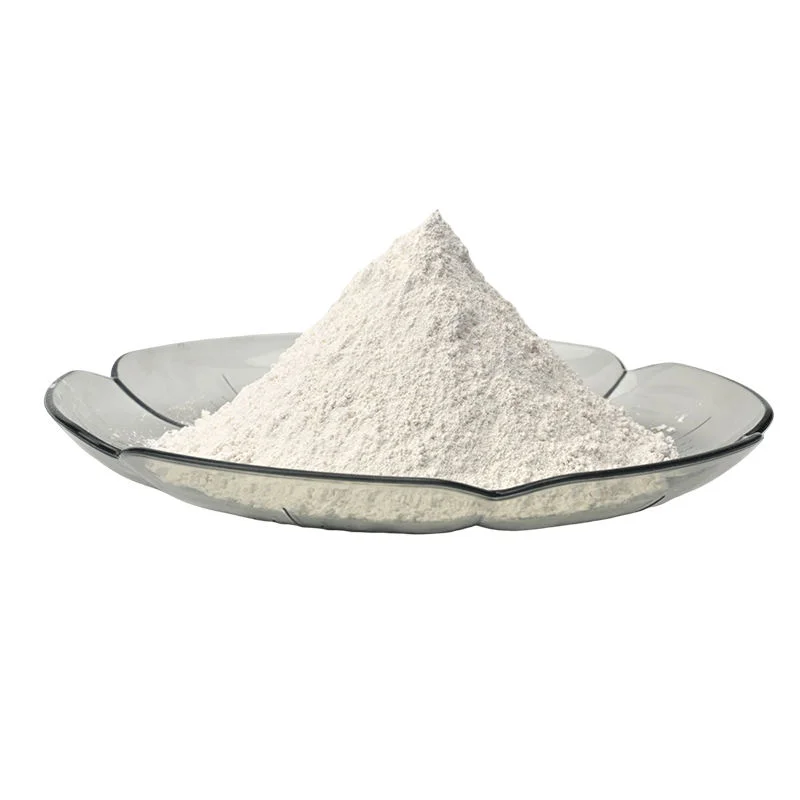

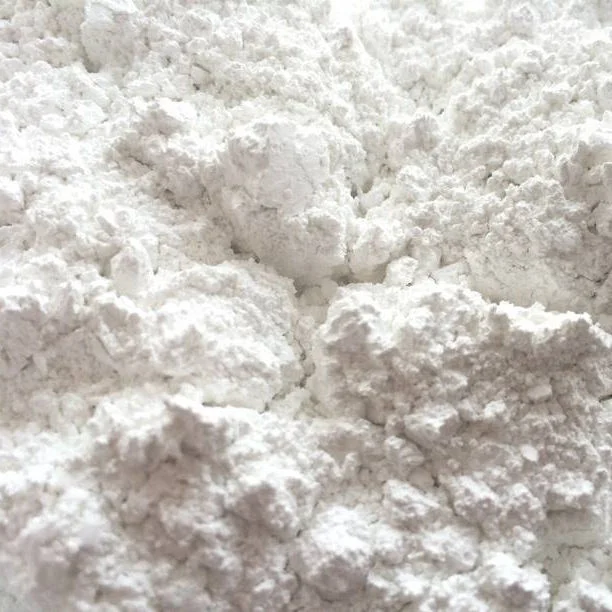

Precipitated Light Calcium Carbonate PCC CaCO3 96% White Powder for Paint, Plastic and Rubber Enquiries
-
ColorWhitePhysical formPowder
-
CAS No.471-34-1Purity96%
-
Appearancewhite superfine powerApplicationPaint, Plastic, Rubber, Paper Making, Building
-
ClassificationCarbonateEINECS No.207-439-9
-
Grade StandardIndustrial GradeMolecular FormulaCaCO3
-
Other Nameslight Calcium CarbonateTypeCalcium Carbonate
The intended material role is the most useful starting point for a paint, plastic or rubber enquiry. This industrial light calcium carbonate carries a precipitated/PCC designation and is described as white superfine CaCO3 powder with purity 96%.
Describe one actual application rather than a broad use list
Explain the formulation in which the powder will be evaluated and the properties required for acceptance. The listed directions cover several material systems, but they do not establish identical behaviour or suitability across paint, plastics and rubber.
Identify the offered model and its measured properties
Premium product and standard product are the actual option names. Request analysis and physical measurements for the chosen material, including individual impurities, measured particle distribution and any optical information relevant to the intended role.
- Application clarification
- The actual system, powder role and observations used to judge material acceptance.
- Grade clarification
- The chosen model, current analysis, measured particles and confirmed treatment status.
Assess the powder through the formulation that matters
Ask whether surface treatment applies and use relevant sample trials to evaluate the proposed grade. A superfine description, PCC name or premium label does not demonstrate a measured size distribution, model advantage or finished-property result.
Papermaking and building materials are additional listed directions and require their corresponding checks. Review current safety information and keep the actual model’s reports with the relevant application observations, so the material decision follows a defined duty and test evidence instead of an assumption from the use list.