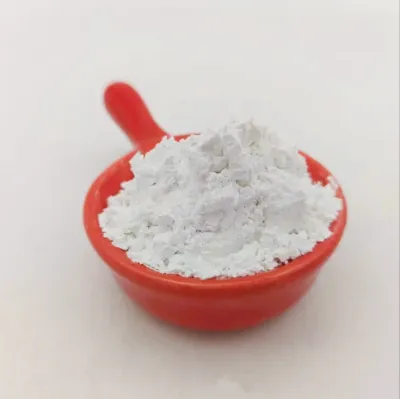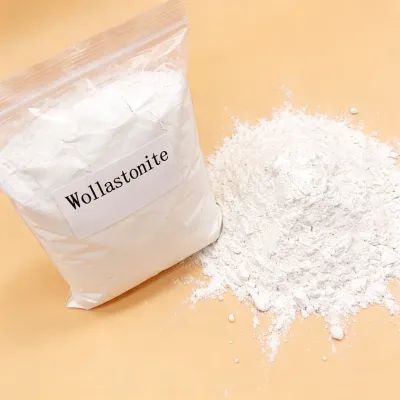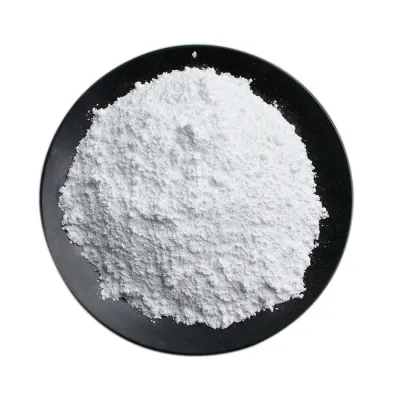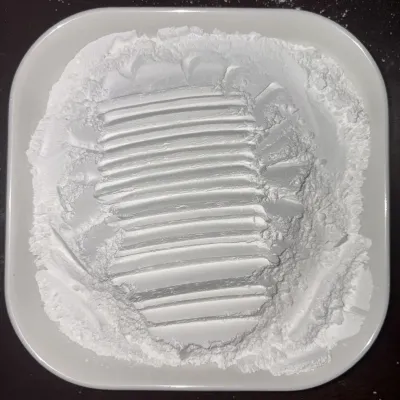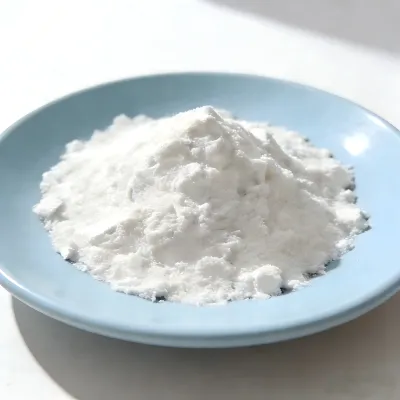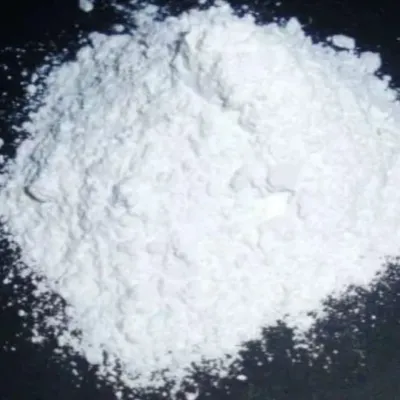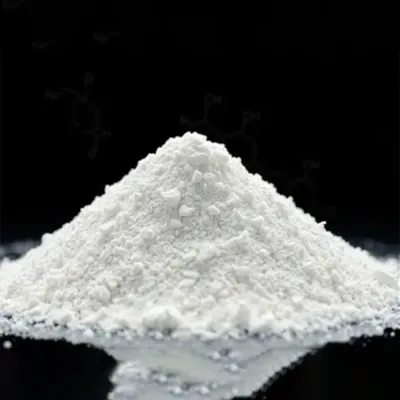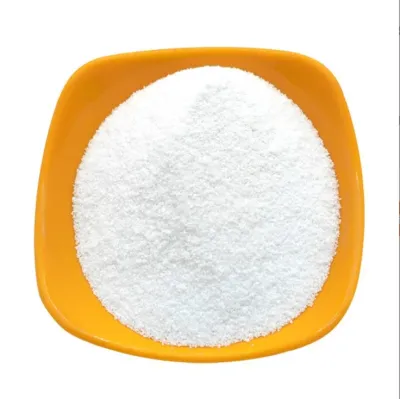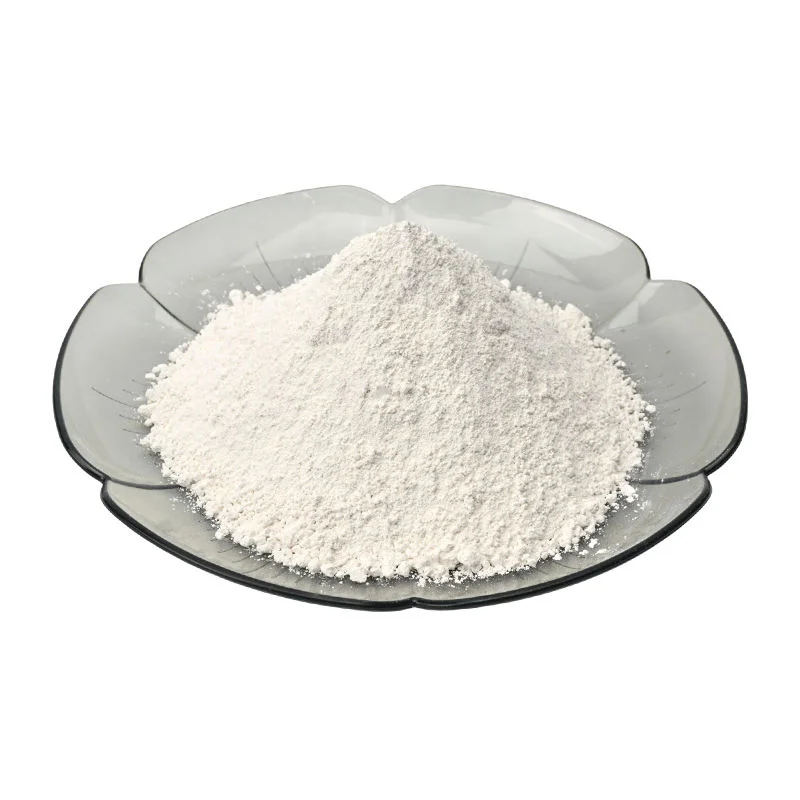
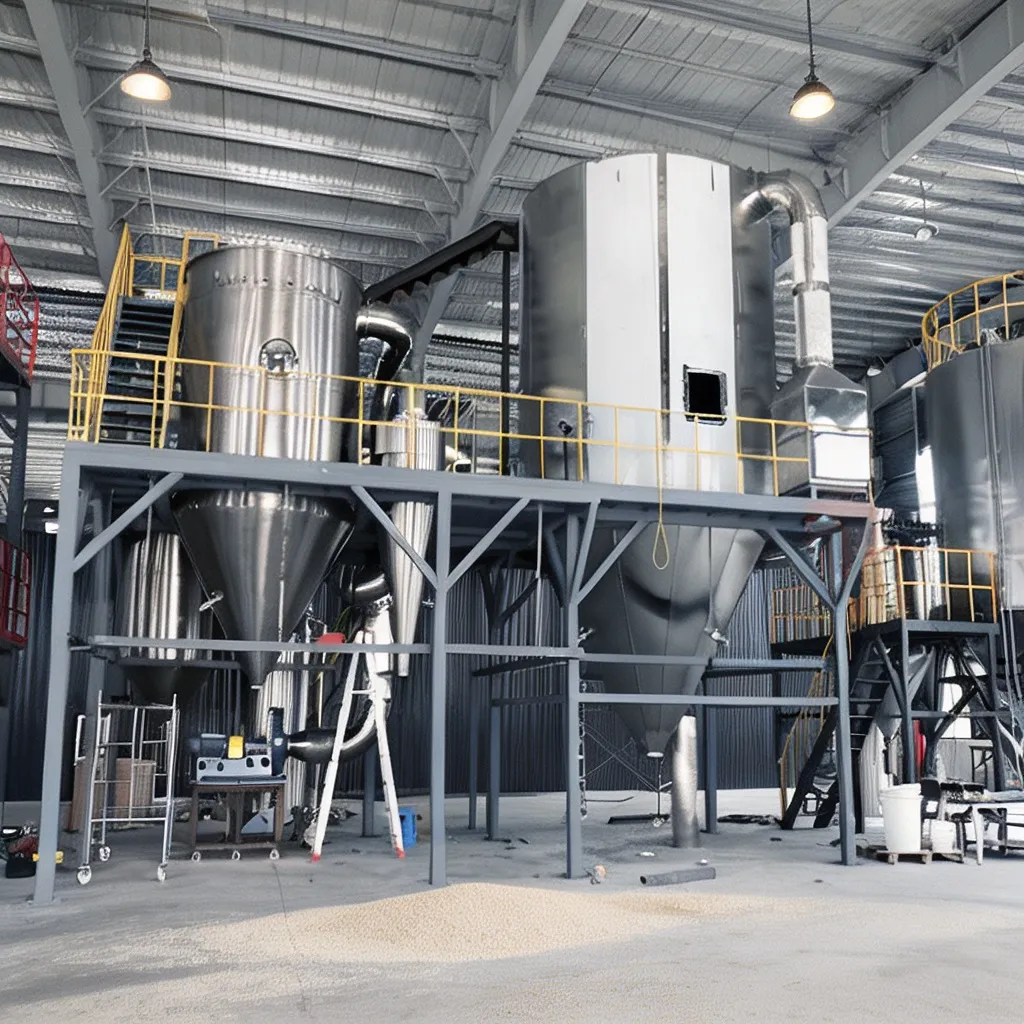
Precipitated Light Calcium Carbonate PCC CaCO3 96% White Superfine Powder for Industrial Model Comparison
-
ColorWhitePhysical formPowder
-
CAS No.471-34-1Purity96%
-
Appearancewhite superfine powerApplicationPaint, Plastic, Rubber, Paper Making, Building
-
ClassificationCarbonateEINECS No.207-439-9
-
Grade StandardIndustrial GradeMolecular FormulaCaCO3
-
Other Nameslight Calcium CarbonateTypeCalcium Carbonate
Comparing two calcium carbonate model names requires evidence of what actually differs between their materials. This industrial light calcium carbonate carries a precipitated/PCC designation and is described as white superfine CaCO3 powder with stated purity 96%.
Use premium and standard as model identifiers first
The actual options are labelled premium product and standard product. Ask for technical reports identifying each offered model, because the names alone do not establish a measured difference in composition, particle properties or application performance.
Make the grade comparison measurable and consistent
Request current assay and relevant individual impurities for the model being considered. Compare particle-distribution and any required optical or treatment measurements using compatible methods, so apparent differences are based on results rather than on the option name.
- Name the actual premium or standard model in the enquiry.
- Obtain model-specific chemical and physical reports.
- Compare relevant sample results against the same formulation criteria.
Judge the selected PCC in its actual material role
The listed directions cover paint, plastics, rubber, papermaking and building materials. Identify the intended role and assess an appropriate sample; a superfine description or premium label does not demonstrate better dispersion, strength or optical performance.
Clarify any surface treatment and obtain current safety documentation for the actual offered model. Keep its identity with the analytical data and formulation observations, allowing the project’s acceptance criteria to determine selection without an assumed advantage or an unsupported difference between the two labels.