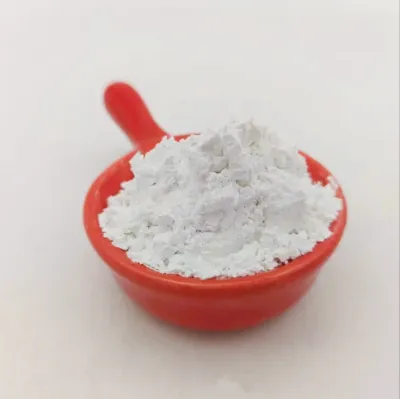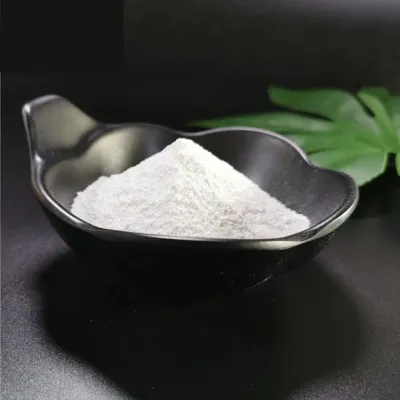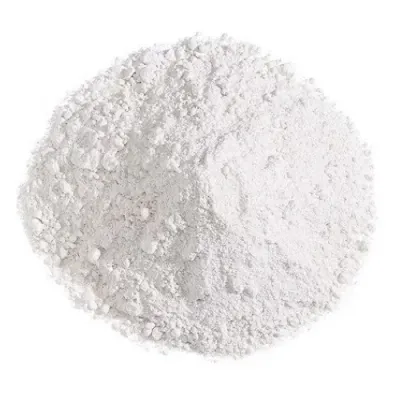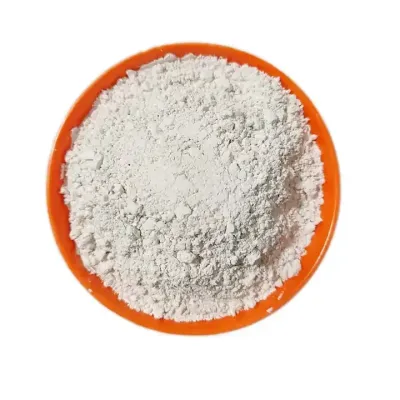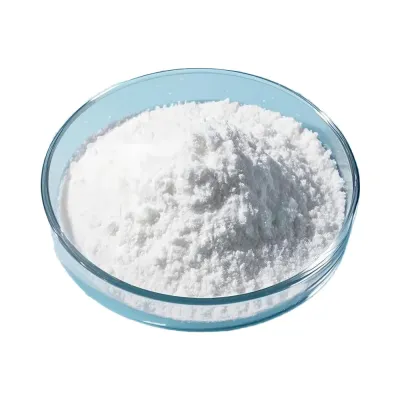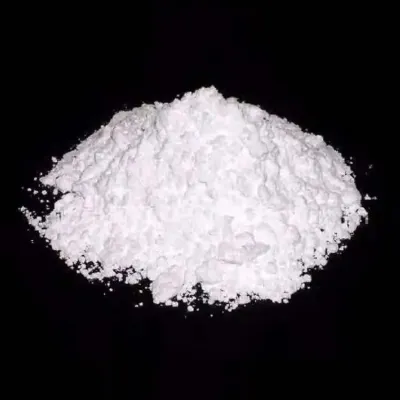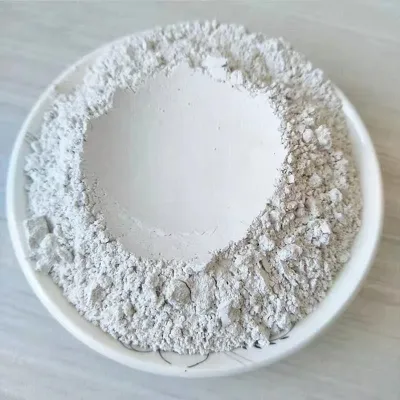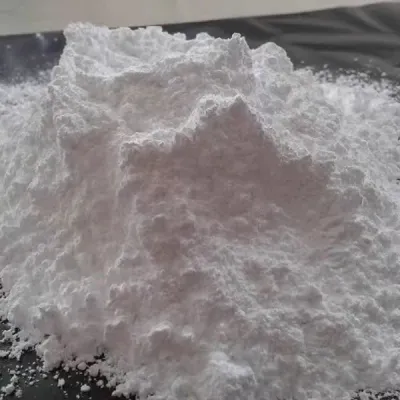
Rutile Titanium Dioxide for Powder Coating, 95% Stated Purity, 50 nm Particle Size
-
Particle-size designationNanometre designationColorWhite
-
Physical formPowder
-
CAS No.13463-677Purity95
-
Appearancewhite powderClassificationTitanium Dioxide
-
Grade StandardIndustrial GradeMolecular FormulaTiO2
-
Other NamesTitanium dioxideProduct nameTitanium Dioxide TiO2
-
UsagePaint Coatings Printing Ink.plasticKeywordsTitanium Oxide Powder
-
ColorWhite ColorGradeIndustrail Grade
-
Package25kg/bagMOQ1 Ton
-
CAS13436-67-7Particle size50nm
A powder-coating pigment comparison needs more than a chemical name and a small-particle description. This white industrial titanium dioxide is designated rutile, with stated purity of 95% and particle size of 50 nm. Powder coating is named alongside paint, printing ink and plastic uses.
Start with the coating's pigment requirement
Describe the resin, processing route and finished-film criteria that will decide material acceptance. Request a traceable grade identifier and current analysis for the sample. A purity statement identifies one compositional requirement but does not establish the complete pigment specification needed by the coating.
Verify phase separately from the assay
Obtain documentation supporting the rutile designation and the material's chemical identity. Keep that evidence distinct from the stated 95% purity value. Neither a phase name nor an assay percentage independently establishes the dispersion, appearance or service result of a finished film.
Define the stated 50 nm measurement
Ask which particle property and analytical method the value represents. Request the complete distribution and clarify the relationship between primary particles and agglomerates. The single number should not be treated as a guarantee of uniform nanoscale behaviour through processing.
Use the actual resin and cure process
Evaluate the selected sample under the intended powder-coating conditions and compare the resulting film with agreed limits. Paint, ink and plastic projects require their own relevant trials. Keep identity documents, phase evidence and particle methods associated with the sample before making the final pigment-selection decision.