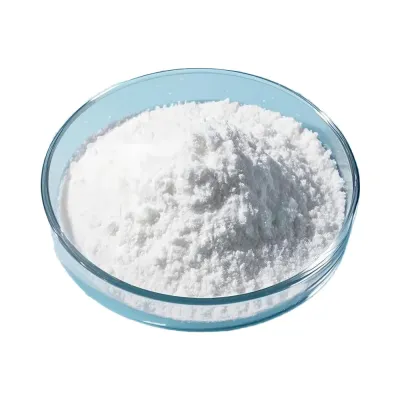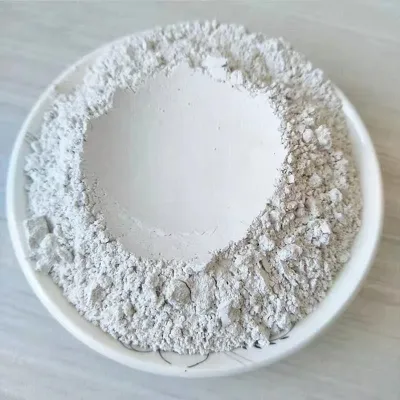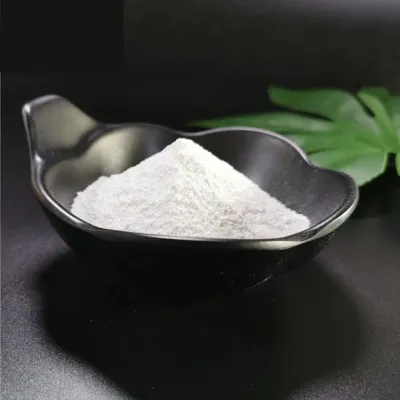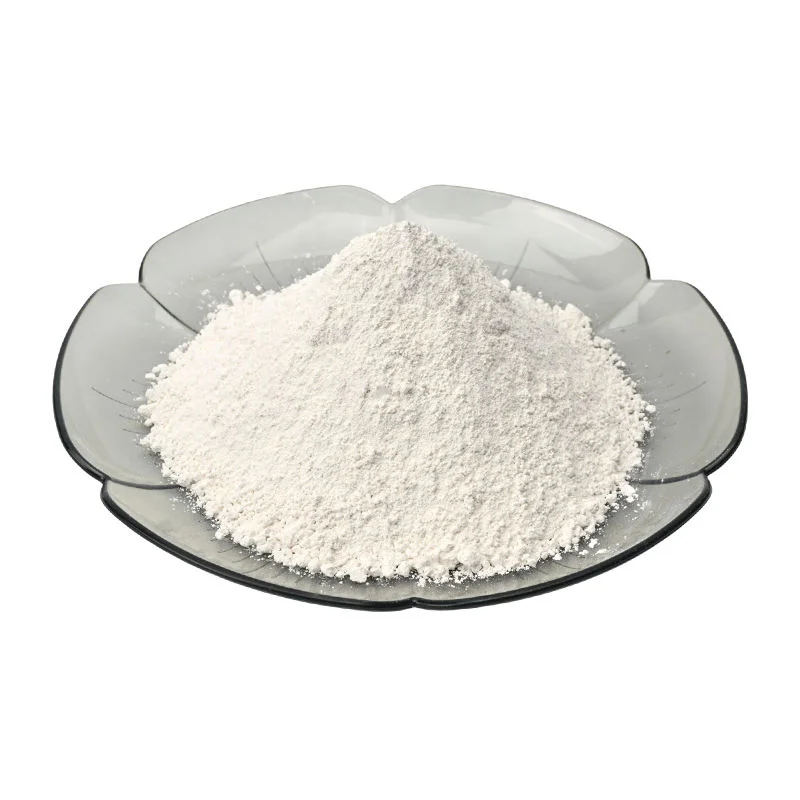
Surface-Coated Activated Calcium Carbonate ≥98.5% CaCO3, 1500 Mesh White Ultrafine Powder for Industrial Paint Assessment
-
Particle-size designationMesh designationColorWhite
-
Physical formPowder
-
CAS No.471-34-1Purity≥98.5%
-
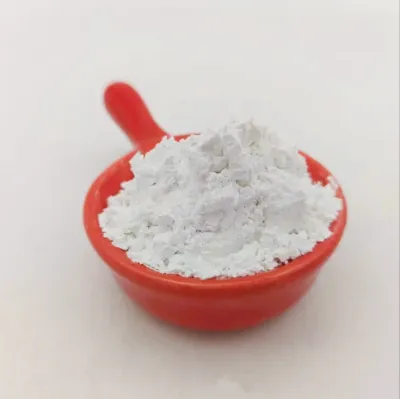
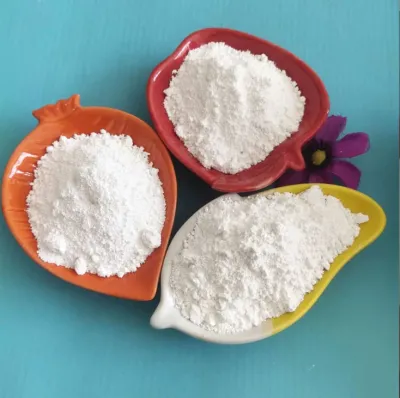
Appearancewhite superfine powerApplicationPaint, Plastic, Rubber, Paper Making, Building
-
ClassificationCarbonateEINECS No.207-439-9
-
Grade StandardIndustrial GradeMolecular FormulaCaCO3
-
Other NamesActivated Calcium CarbonateTypeCalcium Carbonate
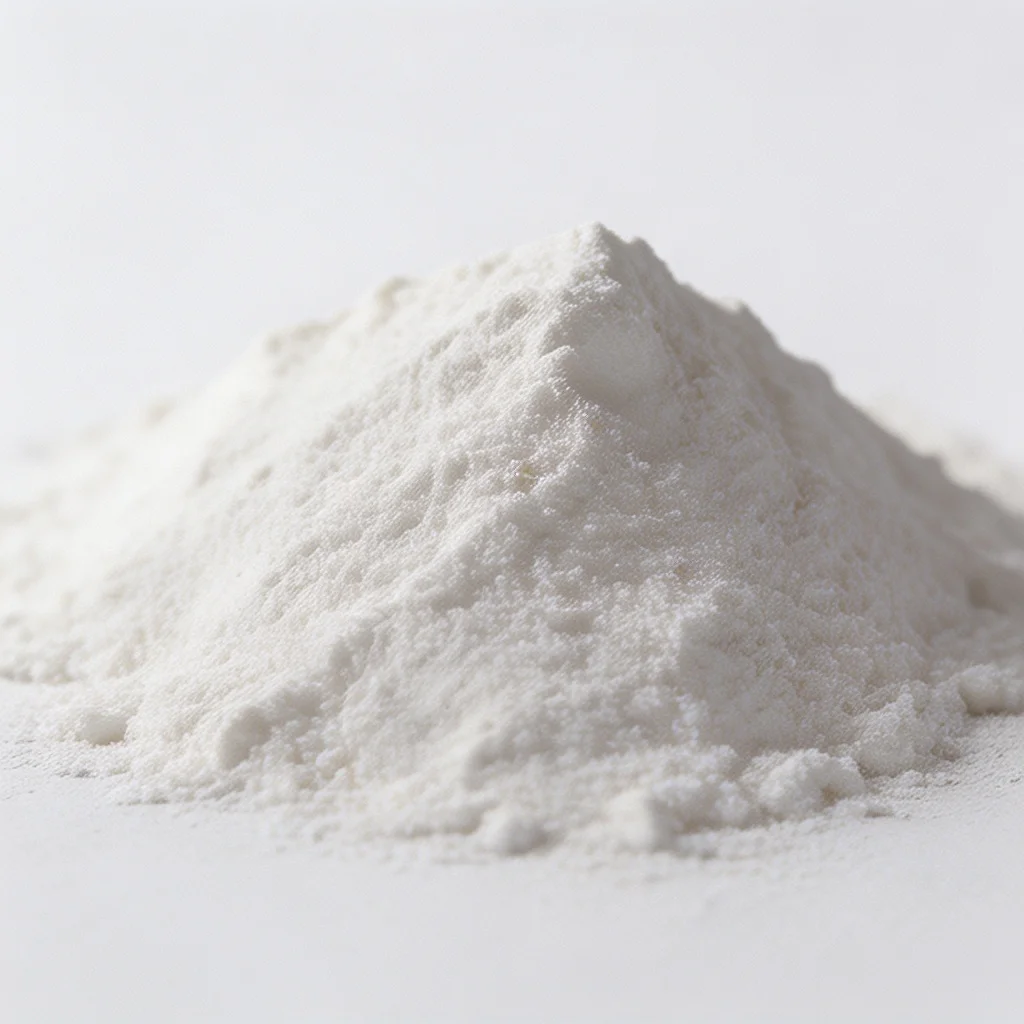
Which treatment applies to the powder proposed for the paint trial? This industrial surface-coated activated calcium carbonate is described as white superfine CaCO3 with stated purity ≥98.5% and a 1500 Mesh model designation.
Identify the treatment before judging compatibility
Ask for the coating chemistry and the evidence relevant to the actual sample. The activated designation does not establish an agent, treatment level or compatibility with a particular binder. Explain the paint system so the requested information answers the formulation's acceptance questions.
Confirm the chemical and particle criteria independently
Request a current composition report and relevant impurity analysis to assess the minimum purity. Obtain the particle-distribution or sieve report behind the 1500 Mesh designation and confirm its test method. The model label does not provide an exact micron distribution.
- Optical evidence
- Ask for a numerical whiteness measurement if the coating brief requires it.
- Other physical tests
- Request moisture, oil absorption or other results required to compare the proposed sample.
Qualify each use through an actual assessment
Agree representative paint trial conditions and review the observations against the chosen criteria. No dispersion, finished-coating result or addition ratio follows from the treatment and mesh wording alone. Plastic, rubber, paper making and building are also named enquiry areas, each requiring a relevant formulation or process brief. Keep current technical and safety documents with the sample identity and evaluation record rather than extending a paint conclusion to all uses.