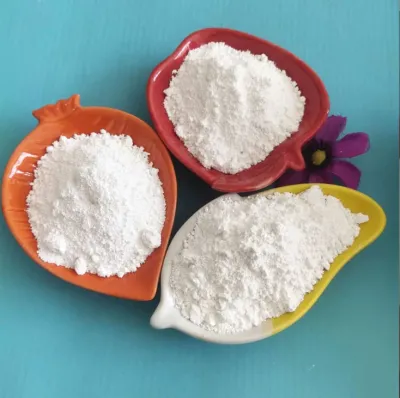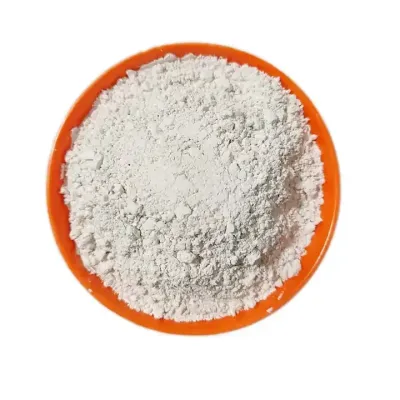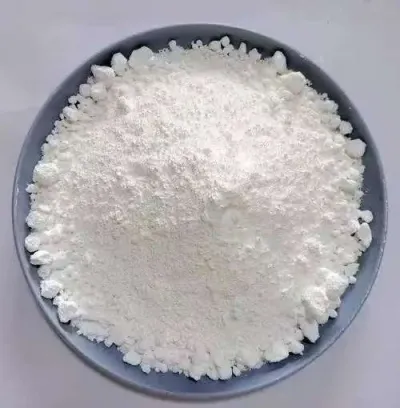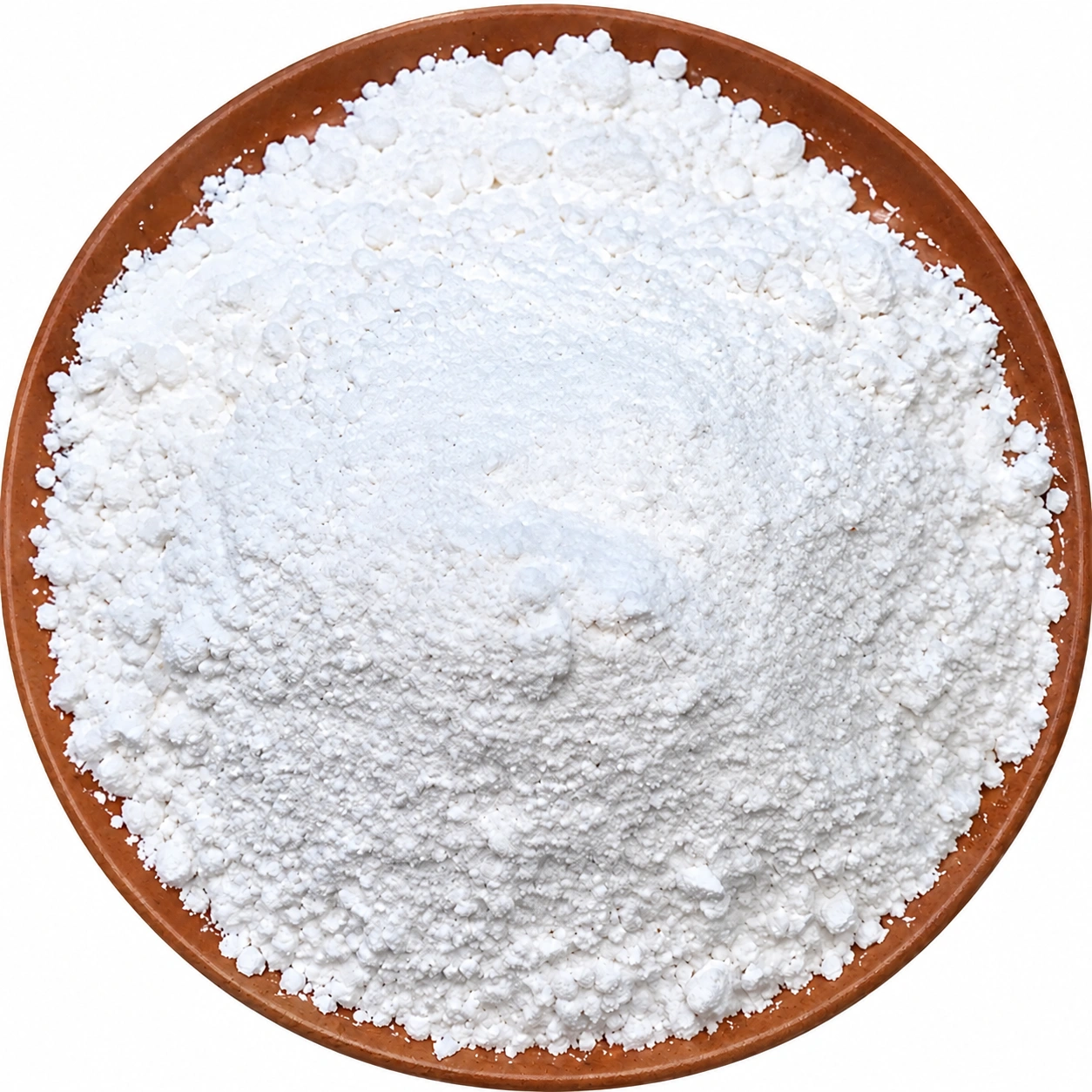
XM-228 White 600 Mesh Filler for Indoor Matte Powder-Coating and Appliance-Paint Evaluation
-
Particle-size designationMesh designationColorWhite
-
Physical formPowder
-
Model NumberXM-228Main Raw MaterialOther
-
StatePowder CoatingUsageAppliance Paint
XM-228 is a white material offered under a 600 mesh filler designation for indoor matte powder coatings and appliance paint. Confirm the actual composition and material role before deciding how the proposed grade should enter a coating comparison.
Establish what XM-228 contains and supplies
A model and white colour do not identify the chemical composition or establish whether the offer meets a particular raw-material specification. Request a current technical sheet and product-specific safety information, with an unambiguous description of the supplied material and its role in the intended coating.
Translate 600 mesh into the needed powder criteria
The mesh designation requires an agreed basis before comparison with another grade. Where the coating process needs a defined particle distribution, obtain the measured curve and method rather than assuming a micron median or a particular texture from the fineness label.
- Indoor matte target
- Define the intended gloss or appearance test and reference for the actual coating formulation.
- Appliance-paint project
- Identify the binder, intended article requirements and process used for the material trial.
- Grade acceptance
- Agree the relevant composition, physical and treatment criteria before approving the offered material.
Test the proposed filler in the actual formulation
A matte or special-filler description does not quantify the finish or prove compatibility with every powder-coating system. Use a representative formulation to establish the optical and processing results required by the project, keeping any appliance-specific requirement tied to its actual acceptance test.
For XM-228, resolve the supplied composition and material role first, then use the confirmed fineness and relevant coating trial to assess the grade. Those steps provide a defensible sample brief without assigning an unstated chemical identity or a finished-coating performance promise.