-
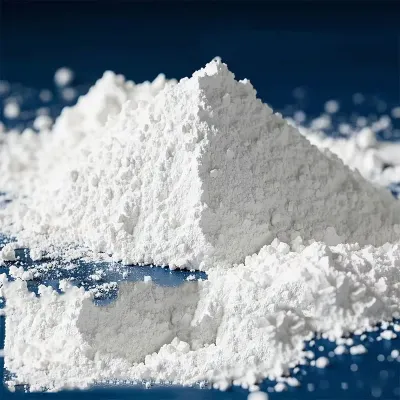
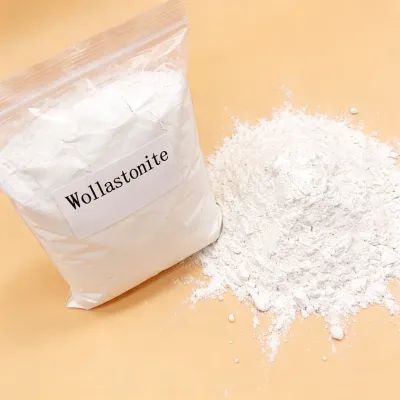
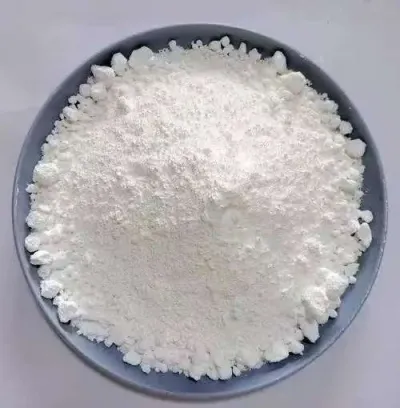
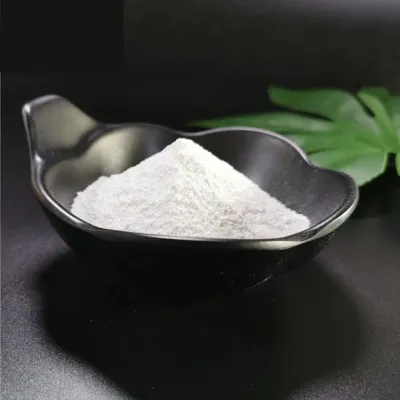
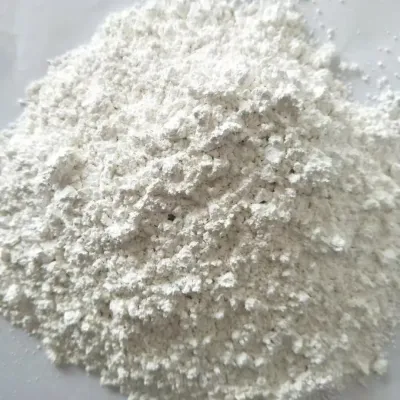
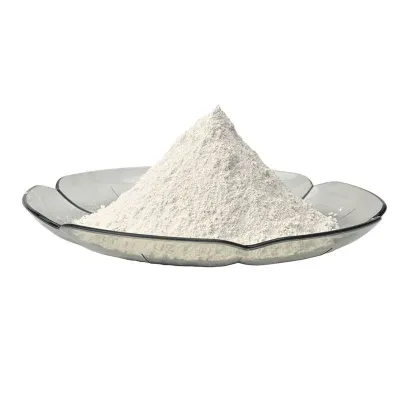
ColorWhitePhysical formPowder
-
CAS No.13462-67-7Purity96%~98.5%
-
Model NumberXM-A001Appearancewhite Powder
-
Applicationplastic coating paint printing inkClassificationTitanium Dioxide
-
Grade StandardIndustrial GradeMolecular FormulaTiO2
-
Other Namestio2CertificationISO9001
-
HS code3206111000Package25kg/bag
-
PH Value6.5-8.5TiO2 Content96~98.5%
-
Oil Absorption21~26Residue on sieve 45 μm %0.03~0.05
-
Matter volatile at 105°C %0.3~0.5Tinting strength %95~109
-
SampleFreely Provided
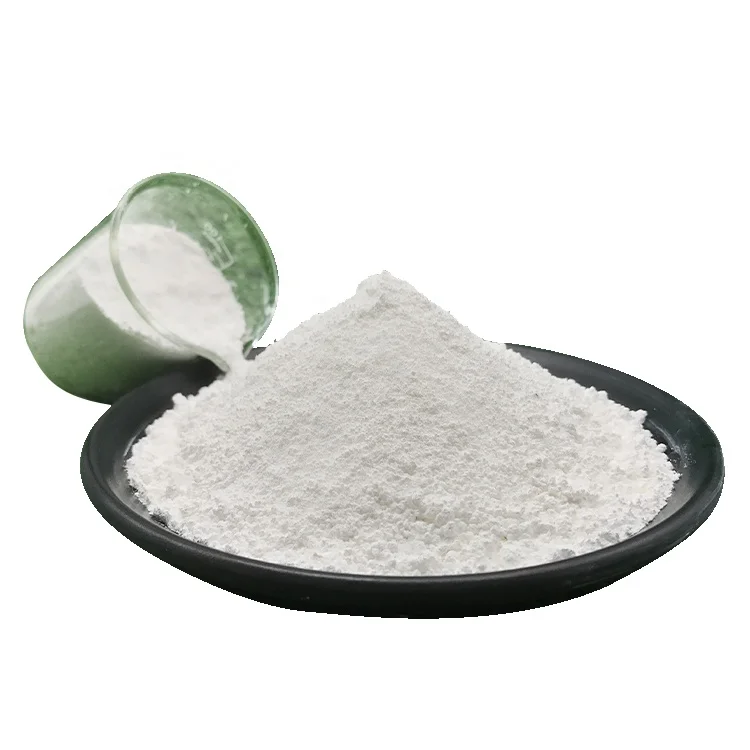
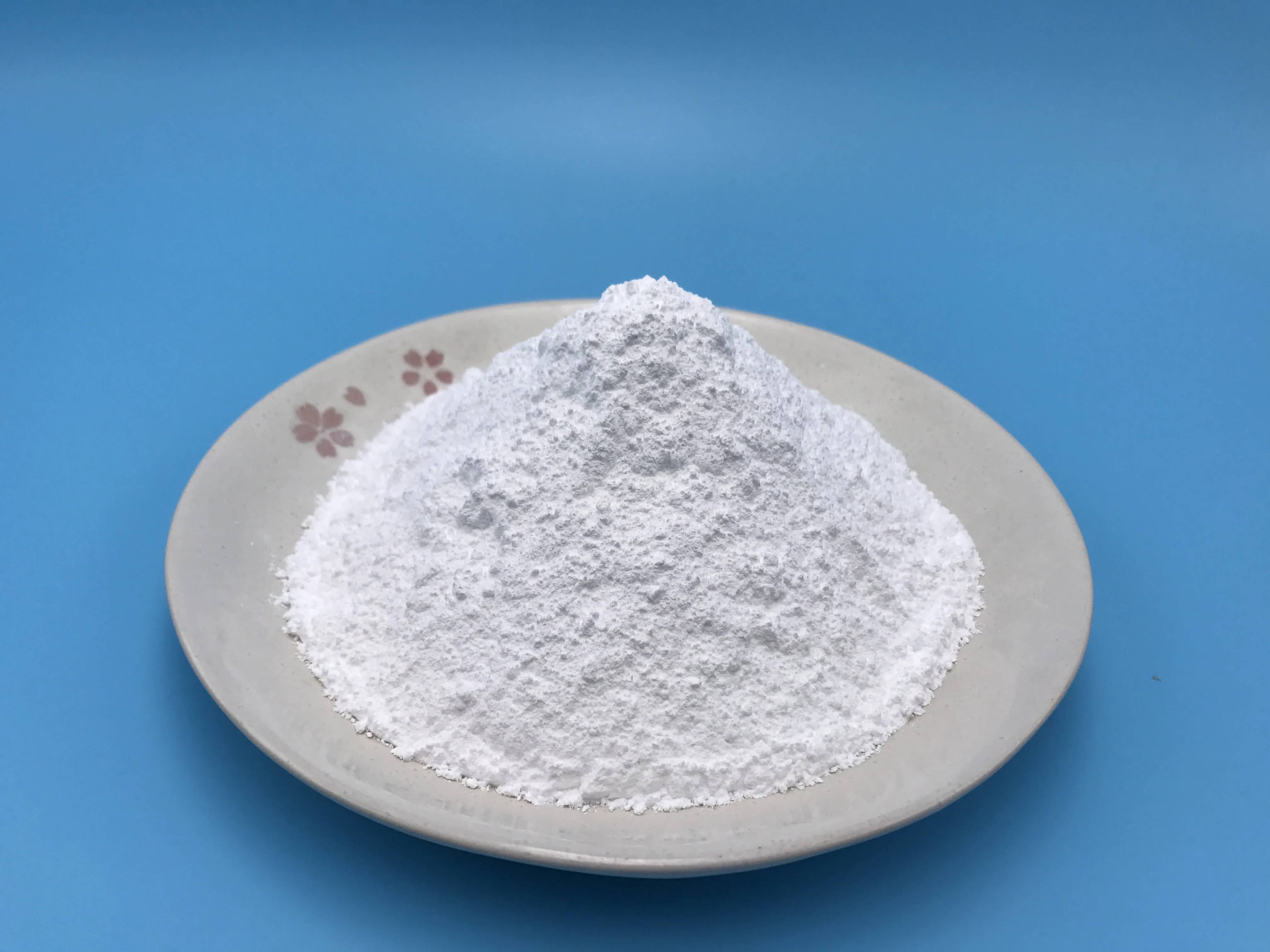
An ink's appearance and service requirements should be defined before a pigment is selected. XM-A001 is a white industrial titanium dioxide powder with an anatase designation and stated TiO2 content of 96–98.5%. Printing ink is named alongside plastic, coating and paint applications.
Define the ink's intended service requirement
Describe the vehicle, substrate and conditions that matter to the printed product. Agree on the appearance and exposure tests needed to judge the trial. A broad long-lasting description does not identify a service period or establish a result in every ink formulation.
Read residue and volatile matter as separate checks
The stated residue on a 45 μm sieve is 0.03–0.05%, while volatile matter at 105°C is 0.3–0.5%. Retain the relevant methods with those measurements. Neither value should be treated as a direct result for print quality or durability.
Connect the grade analysis with the actual vehicle
Request phase documentation and current analysis for the XM-A001 sample. Review the stated pH range of 6.5–8.5 on its own method, and clarify oil-absorption units and the tint-strength reference where needed. Test dispersion and the printed result within the intended formulation.
Decide on evidence from the printing programme
Compare the trial with the agreed appearance and service criteria rather than assuming vibrancy or longevity from the powder name. Other coating or plastic uses need their own relevant tests. Keep the grade documents, analytical methods and application results associated with the material actually evaluated.