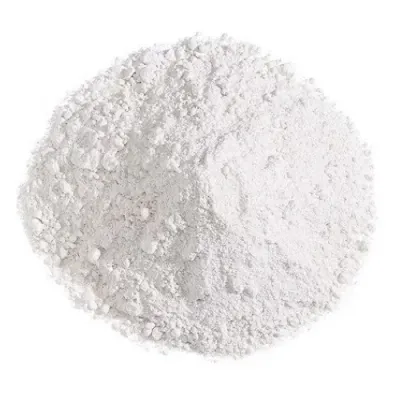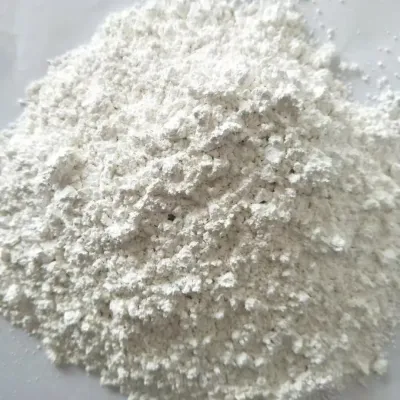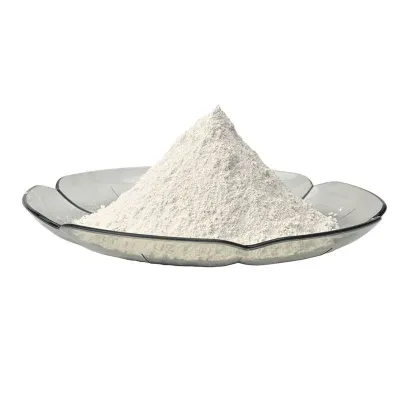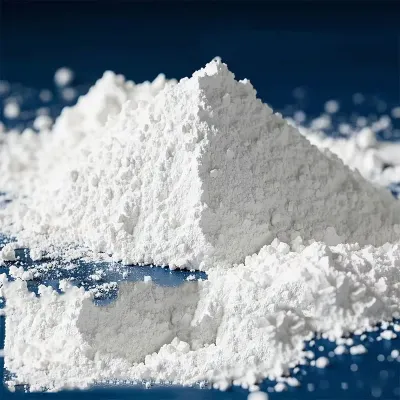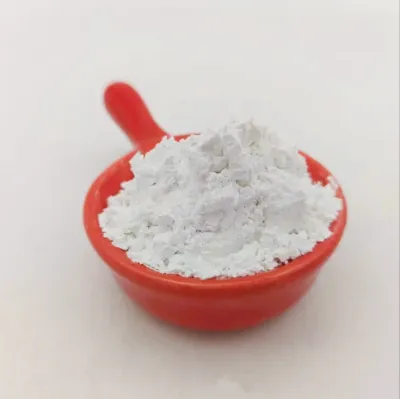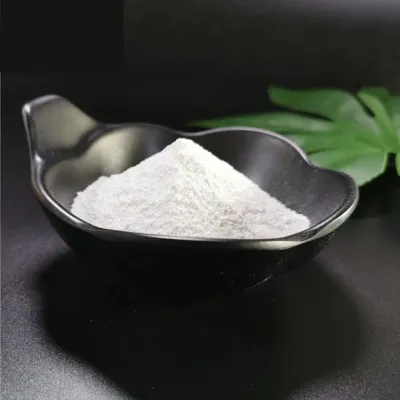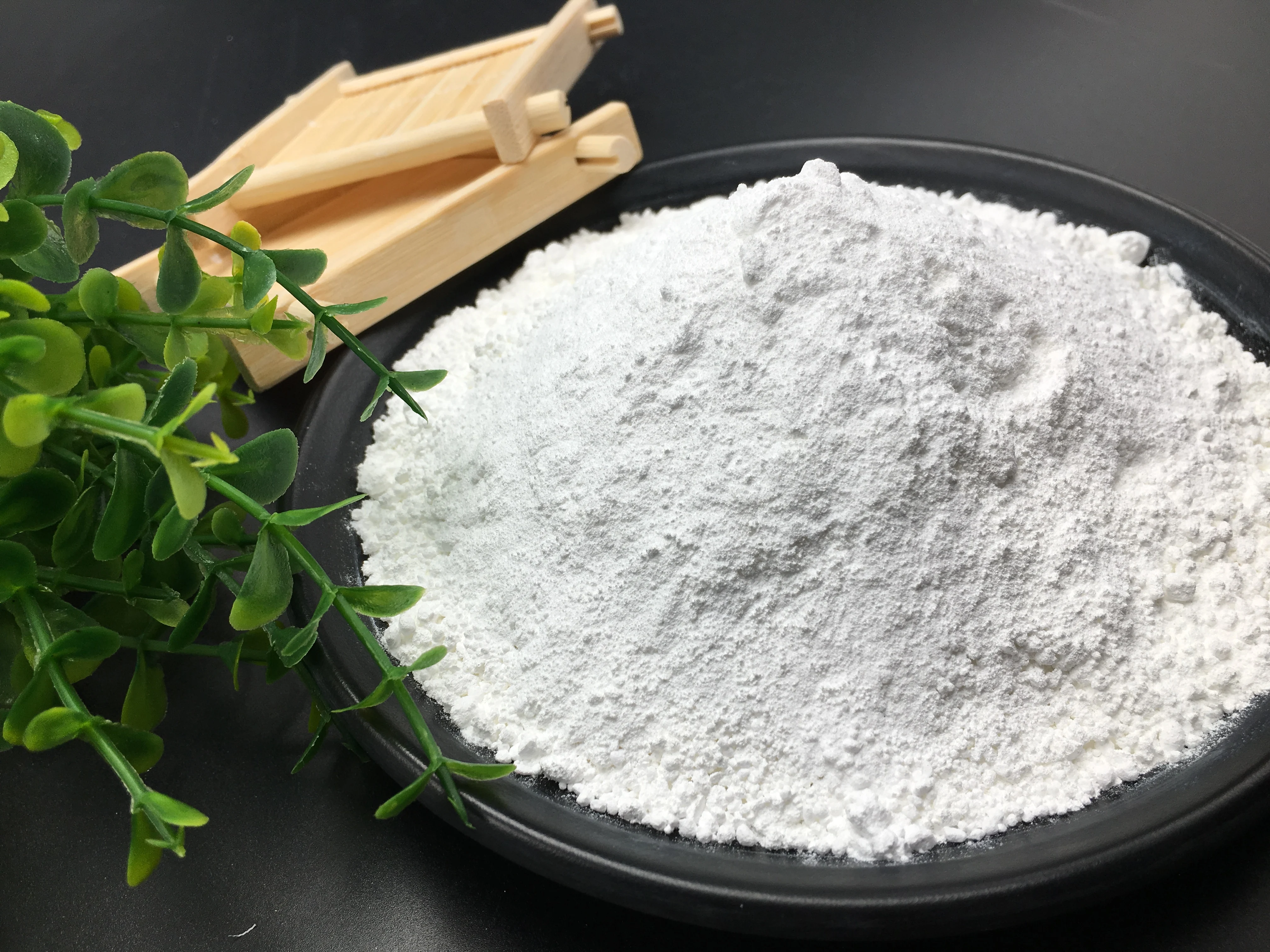
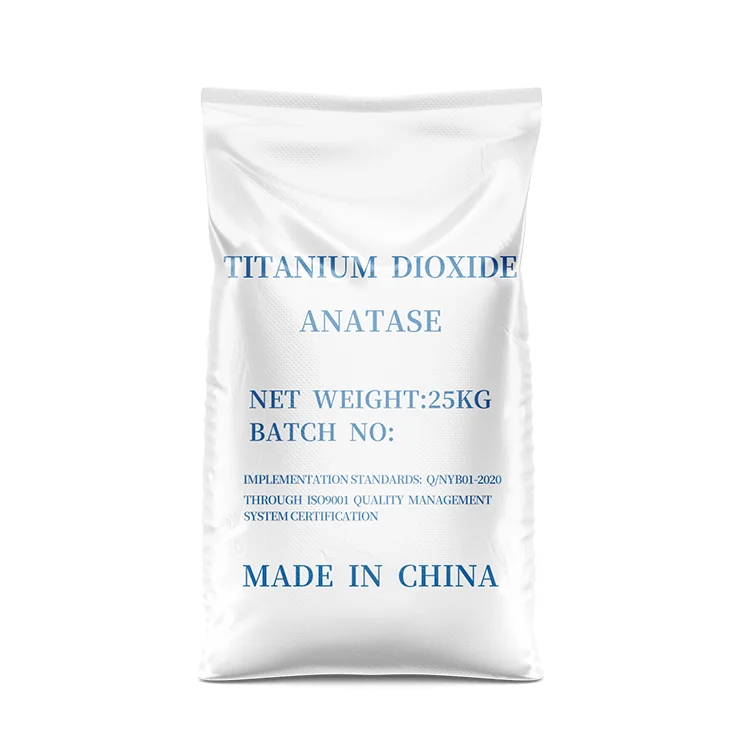
XM-A111 Titanium Dioxide for Industrial Paint and Printing Ink, 96–98.5% TiO2
-
ColorWhitePhysical formPowder
-
CAS No.13462-67-7Purity96%~98.5%
-
Model NumberXM-A111Appearancewhite Powder
-
Applicationplastic coating paint printing inkClassificationTitanium Dioxide
-
Grade StandardIndustrial GradeMolecular FormulaTiO2
-
Other Namestio2CertificationISO9001
-
HS code3206111000Package25kg/bag
-
PH Value6.5-8.5TiO2 Content96~98.5%
-
Oil Absorption21~26Residue on sieve 45 μm %0.03~0.05
-
Matter volatile at 105°C %0.3~0.5Tinting strength %95~109
-
SampleFreely Provided
A clear pigment brief makes an industrial titanium dioxide comparison more useful. XM-A111 is a white TiO2 powder with stated content of 96–98.5%, offered for paint, printing ink, coatings and plastics where the intended formulation defines acceptance.
Keep XM-A111 attached to the pigment requirement
Name the model when requesting the technical documents and sample for evaluation. Confirm the offered crystal form and any surface treatment rather than inferring either from the XM-A111 code. Define the paint or ink's optical and processing criteria before comparing candidate pigments.
Use the condition-labelled measurements carefully
XM-A111 has stated residue of 0.03–0.05% on a 45 μm sieve and volatile matter of 0.3–0.5% at 105°C. Its pH range is 6.5–8.5. Compare those values with the relevant methods so the technical assessment uses a common basis rather than content percentage alone.
Resolve incomplete test references before interpretation
A usable XM-A111 oil-absorption comparison needs its units and procedure. Tinting strength similarly requires a named reference and test method. Neither an isolated number nor the TiO2 formula proves a particular hiding or durability outcome.
- Specify the XM-A111 grade and actual paint or ink system.
- Obtain the complete pigment methods and relevant identity documents.
- Assess the sample through the defined formulation test.
That practical brief keeps an XM-A111 enquiry focused on the industrial pigment and the result your application needs to demonstrate.