-
Particle-size designationD50 specifiedColorWhite
-
Physical formPowder
-
CAS No.13462-86-7Purity98.5%
-
AppearanceWhite Powder, White PowerApplicationPaint
-
ClassificationSulphateEINECS No./
-
Grade StandardIndustrial GradeMolecular FormulaBaSO4
-
Other NamesNatural Barium SulphateTypeBarium Sulfate
-
BaSO4 Content (%)≥97D50 (μm)2.5
-
D97 (μm)10Whiteness (%)≥92
-
Moisture (%)≤0.2-0.3Oil Absorption g/100g10~13
-
Ph Value7~9Specific Gravity (g/cm3)4.40
-
H.S. Code25111000.00
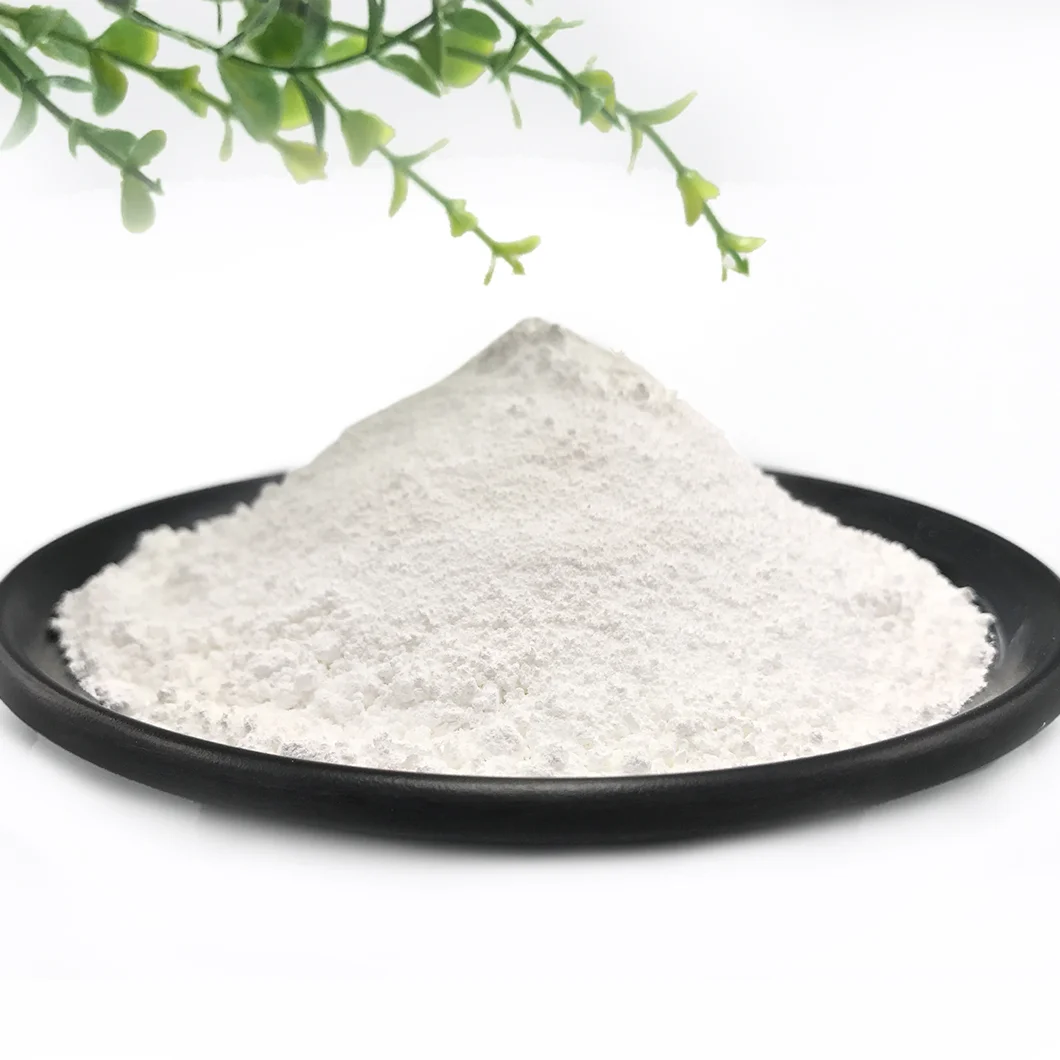
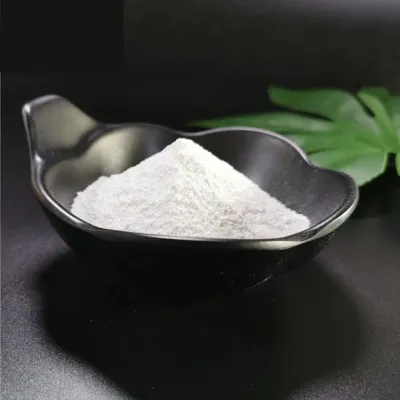
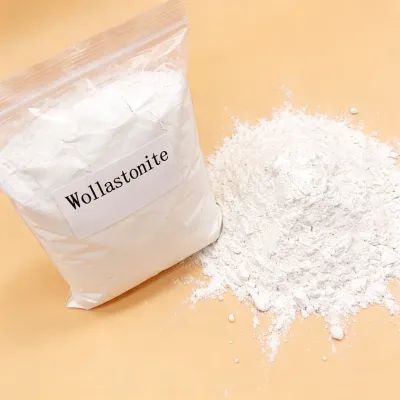
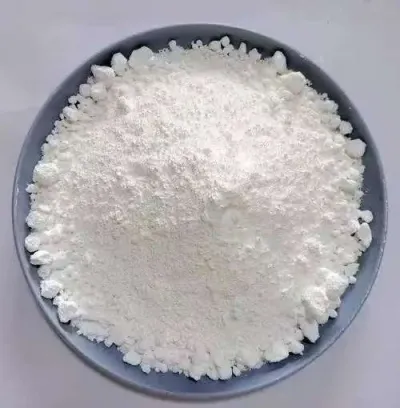
For a paint enquiry that calls for natural barium sulphate, XM-BA13 offers a white industrial powder with a defined particle profile. Its stated purity is 98.5%, while the BaSO4 content criterion is at least 97%, so the offered grade and assay basis should be clear from the start.
Keep the natural XM-BA13 identity attached to the sample
Request the model-specific documents for the natural material being offered. A shared model code should not replace confirmation of the actual grade and required paint specification. Match the sample and batch analysis before comparing it with another mineral.
Use the 2.5 μm D50 with the full profile
XM-BA13 has stated D50 of 2.5 μm and D97 of 10 μm. Keep the two measurements distinct and confirm the relevant methods. The minimum whiteness criterion is 92%, with pH 7–9 available as another screening value rather than a prediction of the final paint appearance.
Resolve the physical limits before binder testing
Ask for the exact maximum moisture requirement and the basis of the density-related measurement for the offered grade. Request the oil-absorption method as part of the paint-material comparison. Those clarifications help define a meaningful trial without selecting an uncertain limit or assuming a universal replacement ratio.
An XM-BA13 paint enquiry is most useful when the natural-grade identity, assay qualifiers and complete particle specification lead into the actual binder acceptance test. That keeps this mineral comparison tied to the material and result your formulation requires.