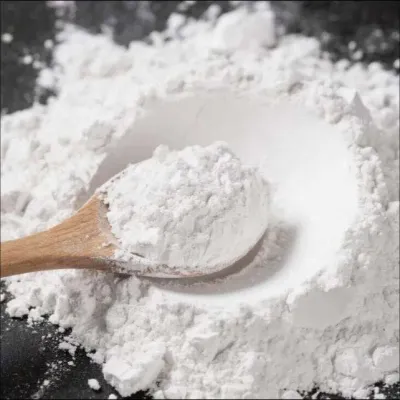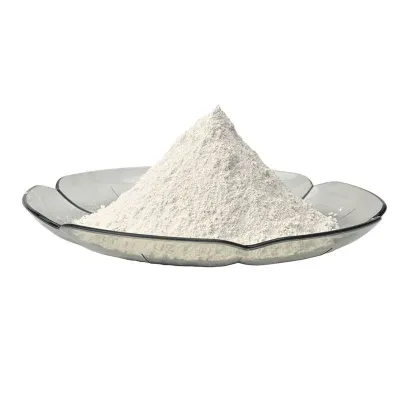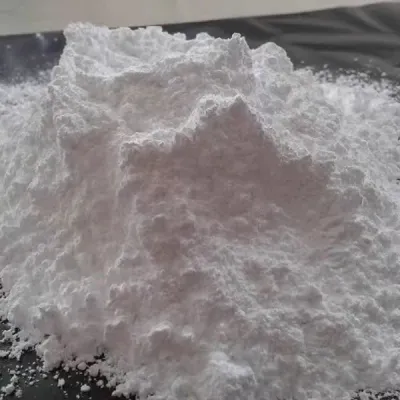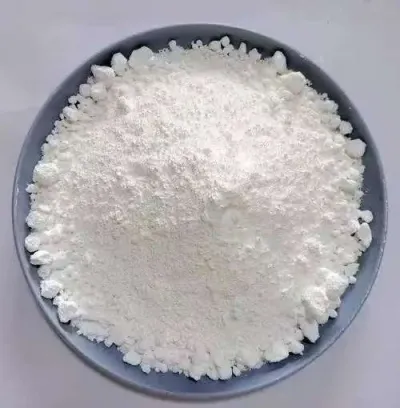
XM-JS3000 Natural Barium Sulfate White Powder, 97% Purity and 2.5 Micron D50 for Industrial Paint
-
Particle-size designationD50 specifiedColorWhite
-
Physical formPowder
-
CAS No.13462-86-7Purity97%
-
AppearanceWhite Powder, White PowerApplicationPaint
-
ClassificationSulphateEINECS No./
-
Grade StandardIndustrial GradeMolecular FormulaBaSO4
-
Other NamesNatural Barium SulphateTypeBarium Sulfate
-
BaSO4 Content (%)≥97D50 (μm)2.5
-
D97 (μm)10Whiteness (%)≥90
-
H.S. Code25111000.00
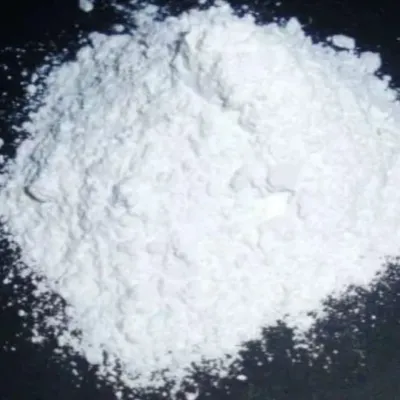
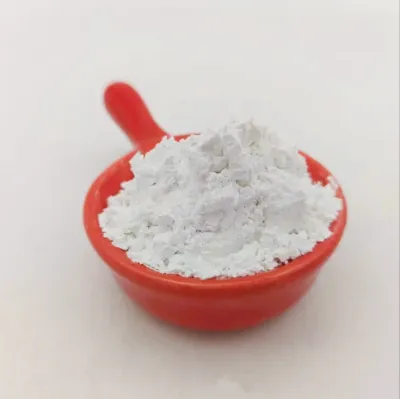
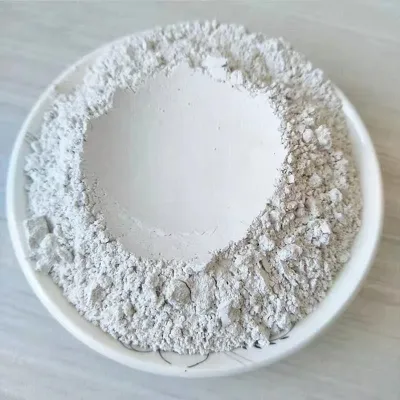
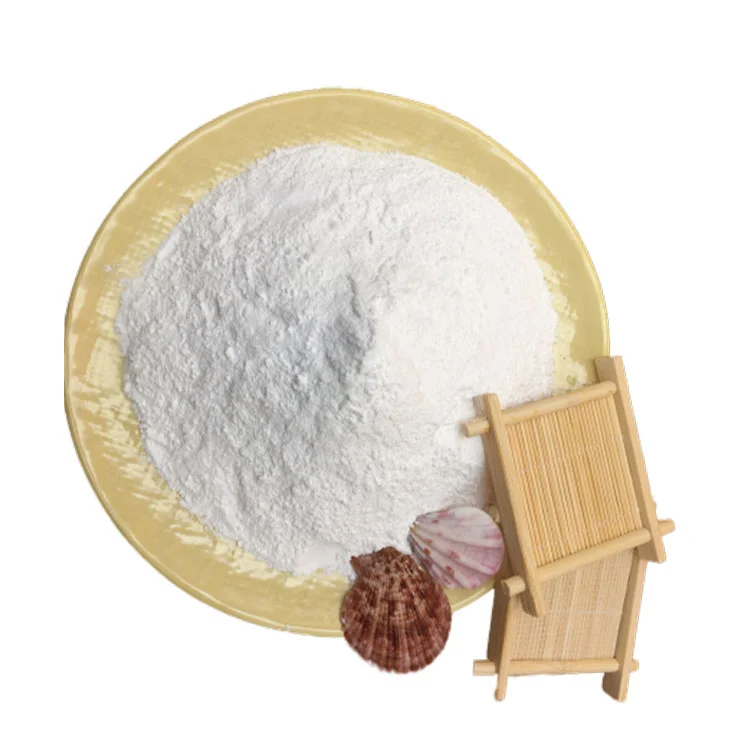
XM-JS3000 is a natural barium sulfate powder for industrial paint formulation, identified by a BaSO4 content of at least 97%. Its particle-size criteria include a 2.5 micron D50 and a 10 micron D97, with whiteness specified at a minimum of 90%.
A defined natural sulfate for paint development
The natural barium sulphate identity and industrial grade give XM-JS3000 a clear role in a paint-material screening programme. For a formulation change, compare this grade with the current raw-material specification before treating any two white sulfate powders as interchangeable.
Why D50 and D97 both matter to your enquiry
XM-JS3000 has separate median and upper-distribution particle-size criteria: D50 is 2.5 microns, while D97 is 10 microns. Ask for the measurement method and a current distribution report so that a paint trial compares equivalent criteria rather than relying on appearance or a general fine-powder description.
- Identify the industrial paint system in which XM-JS3000 will be evaluated.
- Specify the minimum 97% BaSO4 content and the required analysis documentation.
- Agree the whiteness test behind the minimum 90% criterion before approving a colour-sensitive application.
Approve composition and process fit together
The white powder form is useful for identifying XM-JS3000, but it does not prove dispersion behaviour or a finished-coating result. Use a product-specific safety document, composition specification and representative formulation test to decide whether this natural sulfate meets the requirements of the intended paint process.
For an XM-JS3000 enquiry, the most discriminating starting points are the paired 2.5 and 10 micron criteria, the minimum BaSO4 content and the whiteness requirement, followed by acceptance testing in the actual paint formulation.