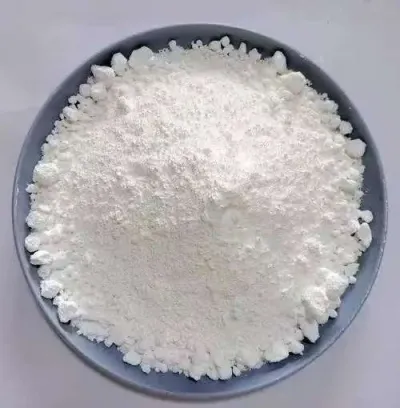
XM-M500 Chemical-Modified Precipitated Barium Sulphate Powder for Printing, Coatings and Paint
-
ColorWhitePhysical formPowder
-
CAS No.7727-43-7Purity98%min
-
AppearanceWhite PowderApplicationCoating,Paint
-
ClassificationSulphateEINECS No.231-784-4
-
Grade StandardAgriculture Grade, Electron Grade, Industrial GradeMolecular FormulaBASO4
-
Other Namesblanc fixeTypeBarium Sulfate
-
Model NumberXM-M500ColorWhite
-
D50 (μm)0.5Whiteness98%
-
Hs code2833270000
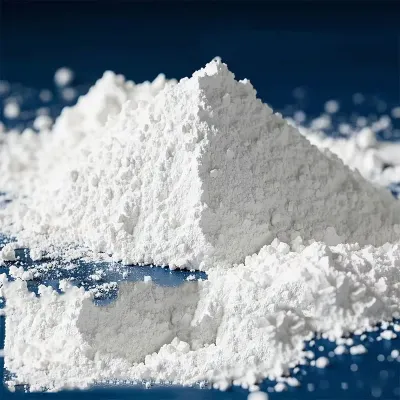
When a printing or coating project calls for a modified mineral, the treatment needs to be understood alongside particle size. XM-M500 is a white industrial precipitated barium sulphate powder carrying a chemical-modified designation. Stated minimum purity is 98%, D50 is 0.5 μm and whiteness is 98%.
Ask what chemical modification means for M500
Request the modification agent and the basis used to describe its treatment. Identify any formulation restrictions that matter to the proposed binder. The designation does not itself establish a particular surface chemistry, dispersion improvement or compatibility with the intended system.
Examine the fine-particle report beyond D50
Obtain the complete particle distribution and its measurement procedure for the sample. Compare the stated 0.5 μm D50 using the same preparation and test basis as other candidate materials. A median particle value does not define the entire distribution or predict behaviour during processing.
Bring printing and coating requirements into the trial
State the actual ink or coating binder and the finished-film properties to be assessed. Request the whiteness reference and current assay before defining acceptance criteria. Run the sample through the intended formulation and evaluate the properties relevant to that specific project.
- Which documents make the enquiry actionable?
- A treatment declaration, current composition analysis, complete particle report and defined optical method.
- How should the result be judged?
- Use the agreed processing and finished-material tests for the intended printing or paint system.
Keep those records associated with the exact sample evaluated. Review the full evidence before selecting the material for production use.