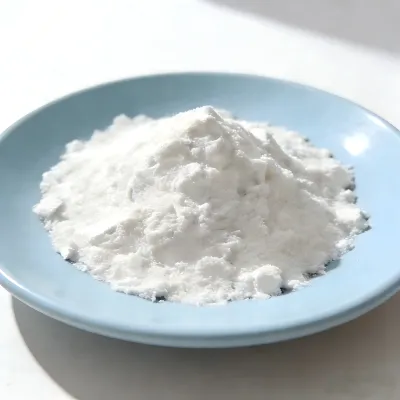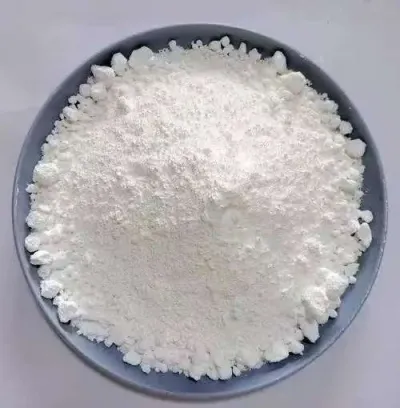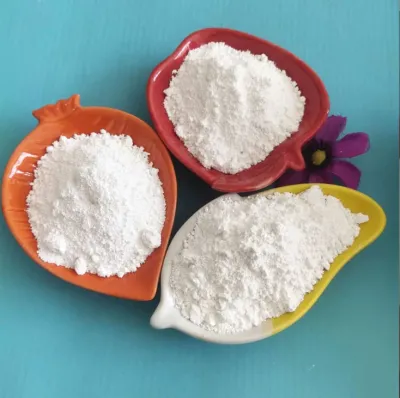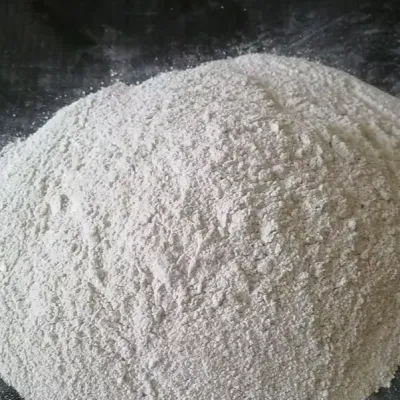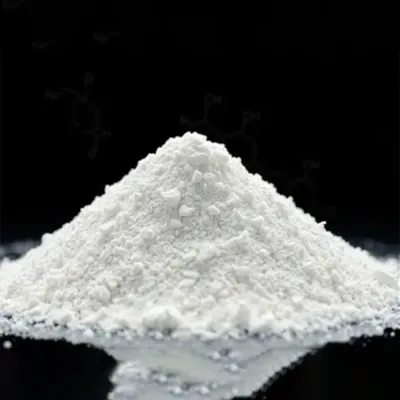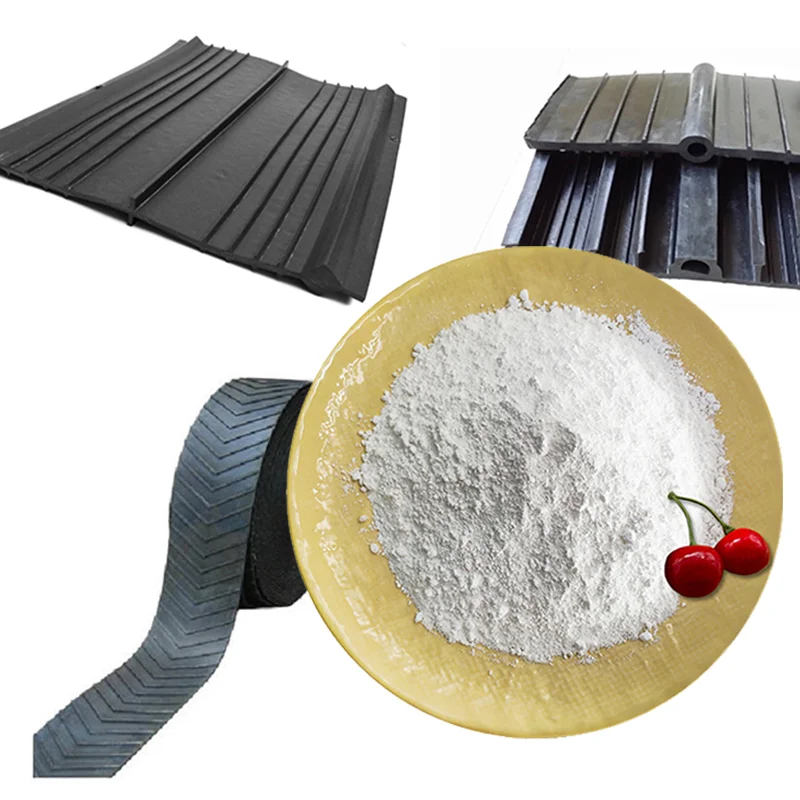
XM-PB08 White Industrial Precipitated Barium Sulfate for Rubber, 98–99% Purity
-
ColorWhitePhysical formPowder
-
CAS No.7727-43-7Purity98%-99%
-
AppearanceWhite PowderApplicationPlastic,Rubber,Coating,Sealants
-
ClassificationSulphateGrade StandardIndustrial Grade
-
Molecular FormulaBaSO4Other NamesPrecipitated Barium Sulphate
-
TypeBarium SulfateModel NumberXM-PB08
-
D50(μm)0.5-0.7D97(μm)1.8-2.5
-
Whiteness98-99%pH7-8
-
Oil Absorption(G/100g)13-15Package25kg/Bag
-
CertificationISO9001Hs code28332700
-
Package AppearancecustomizedSampleFreely
XM-PB08 gives rubber compounders a precipitated barium sulfate candidate with stated composition and particle measurements. The industrial white powder has 98–99% purity, making the offered grade identifiable before a trial is designed around the rubber compound's particular requirements.
Use both XM-PB08 particle measures
The stated D50 is 0.5–0.7 μm and D97 is 1.8–2.5 μm. Keep those separate measures and confirm their test method when comparing XM-PB08 with an existing mineral filler. They should not be combined into an invented single particle-size interval or used alone to predict rubber performance.
Connect whiteness with the rubber brief
XM-PB08 has a stated whiteness range of 98–99% and pH of 7–8. Match the whiteness method with the appearance criteria relevant to the compound rather than assuming every white filler gives the same result. Assess the material within the actual formulation before drawing a conclusion about processing or finished properties.
Define the trial decision before substitution
A rubber application label does not demonstrate reinforcement or improved quality in a specific compound. Set the acceptance criteria, obtain the offered-grade documentation and compare the sample under controlled conditions. Plastics, coatings and sealants are also named directions, but they require their own formulation assessment.
For XM-PB08, keep the requested model, the two particle measurements and the rubber acceptance target together. That creates a precise mineral-filler enquiry with a defined decision to resolve, rather than relying on an untested promise of better compound performance.