-
Particle-size designationMesh designationColorWhite
-
Physical formPowder
-
CAS No.471-34-1Purity98.0% min
-
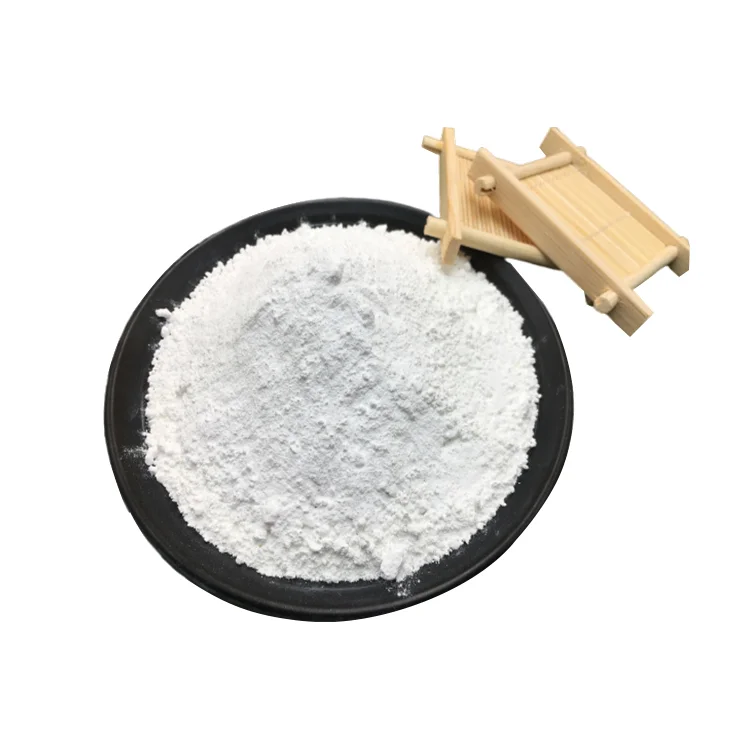
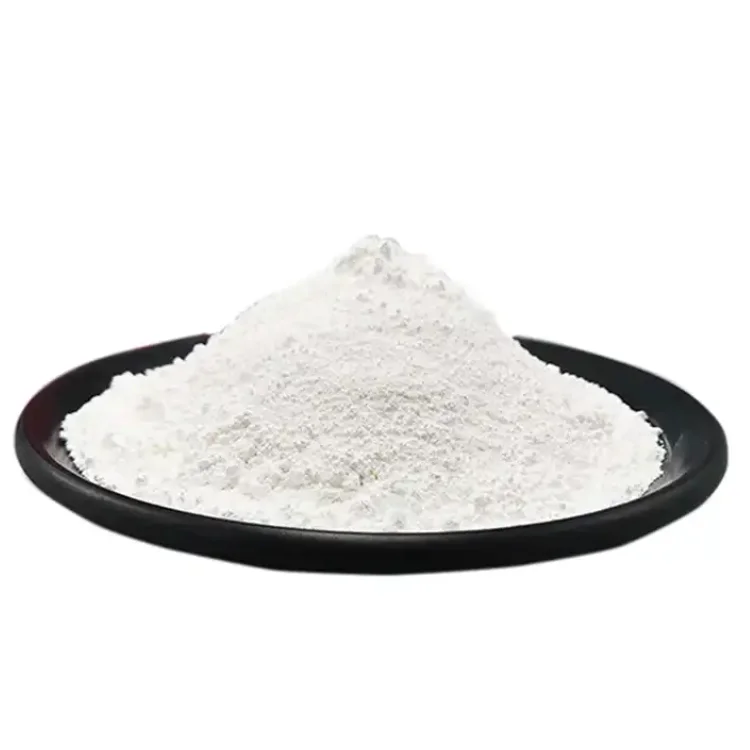
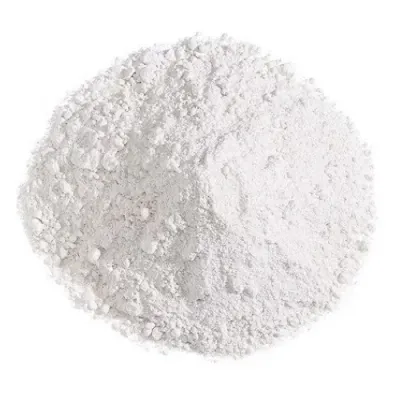
Appearancewhite powderApplicationbulking agents, nutrient supplements,
-
ClassificationCarbonateEINECS No.207-439-9
-
Grade StandardFood GradeMolecular FormulaCaCO3
-
TypeCalcium CarbonateMesh400
-
Whiteness (%)92Oil Absorption g/100g24.0
-
Sieve Residue On 325 Mesh (%)0.01PH Value7~8
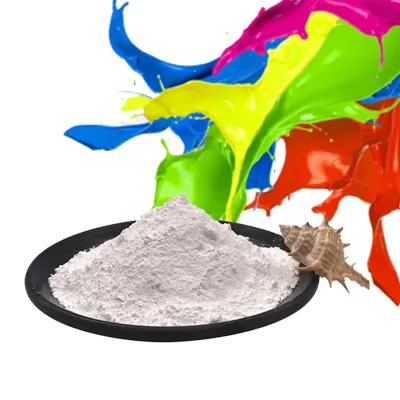
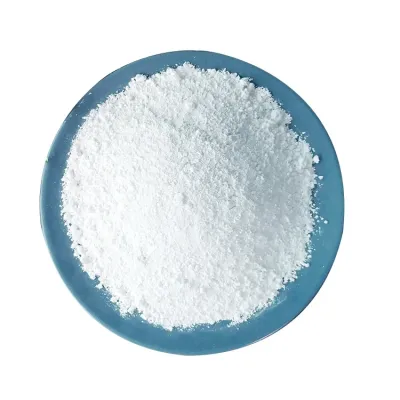
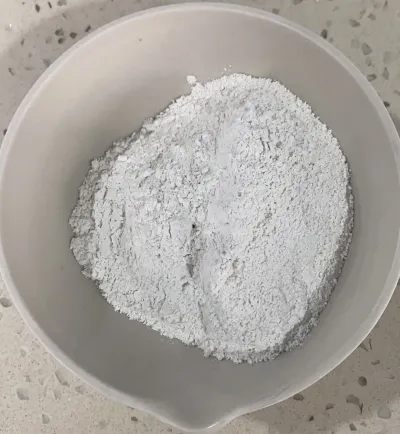
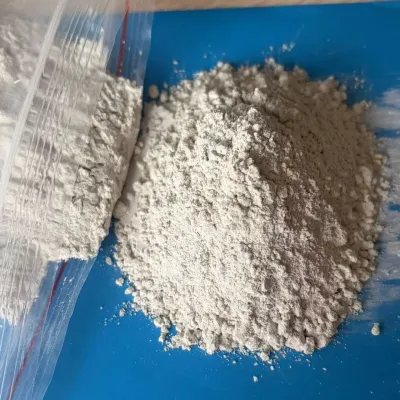
XM-S400-92 calcium carbonate combines a 400-mesh designation with minimum purity of 98.0% and a white powder form. For buyers exploring a food-related bulking or nutrient-supplement application, those mineral specifications begin the comparison; appropriate grade and compliance evidence must still determine whether the material can be accepted.
Match XM-S400-92 to a defined acceptance specification
Use the CaCO3 identity and XM-S400-92 model when requesting a technical assessment. Preserve the distinction between a minimum purity requirement and an exact batch result. Compare the offered material against the impurity limits and grade standard required by your intended application.
Interpret 400 mesh alongside the other mineral tests
The XM-S400-92 parameter set includes 92% whiteness, pH 7–8 and 0.01% residue on a 325-mesh sieve. These measurements describe different screening dimensions and should not be treated as interchangeable fineness indicators. Agree the applicable methods before judging an alternative carbonate against this grade.
Ask the food-use question through documentation
A food-grade label does not by itself establish acceptance for every jurisdiction or formulation. Request the relevant compliance and impurity documents for the specific bulking or nutrient-supplement purpose under consideration. No health benefit or nutritional result is implied by the calcium carbonate identity.
An XM-S400-92 enquiry is strongest when it connects the required powder specification with the actual end-use documentation. That approach keeps the 400-mesh mineral comparison useful while leaving the food-related acceptance decision dependent on evidence appropriate to the application.