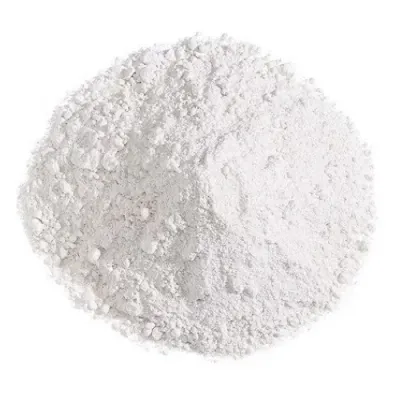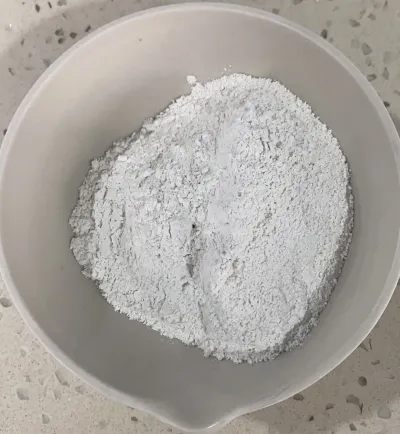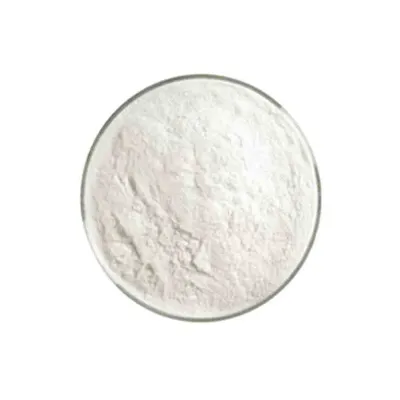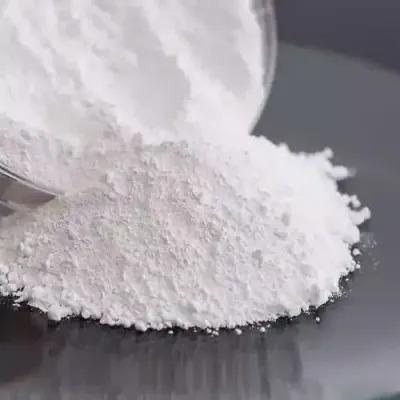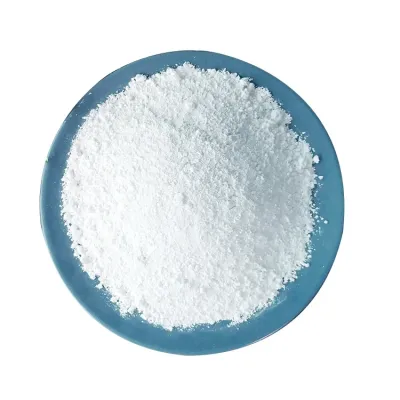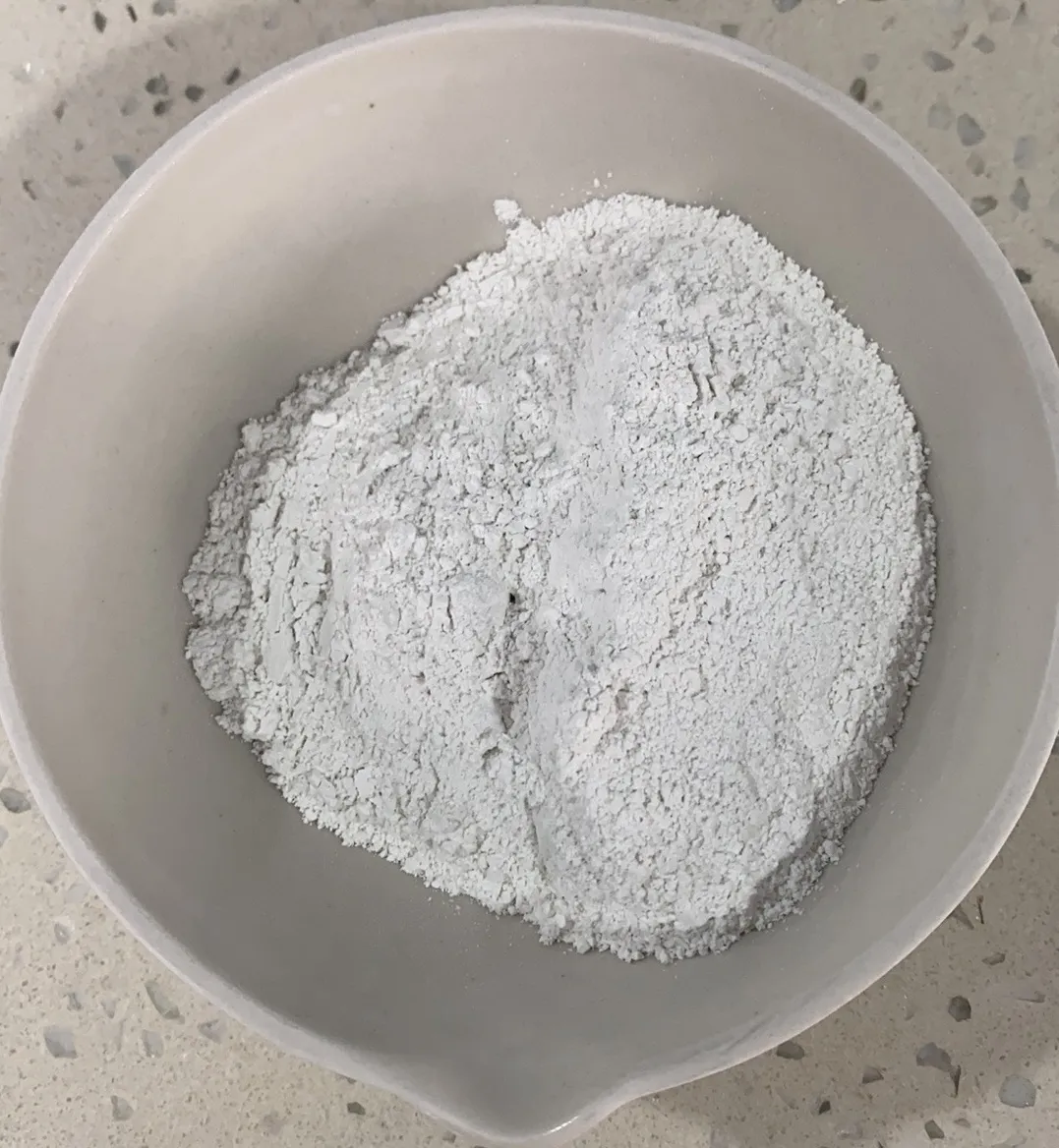
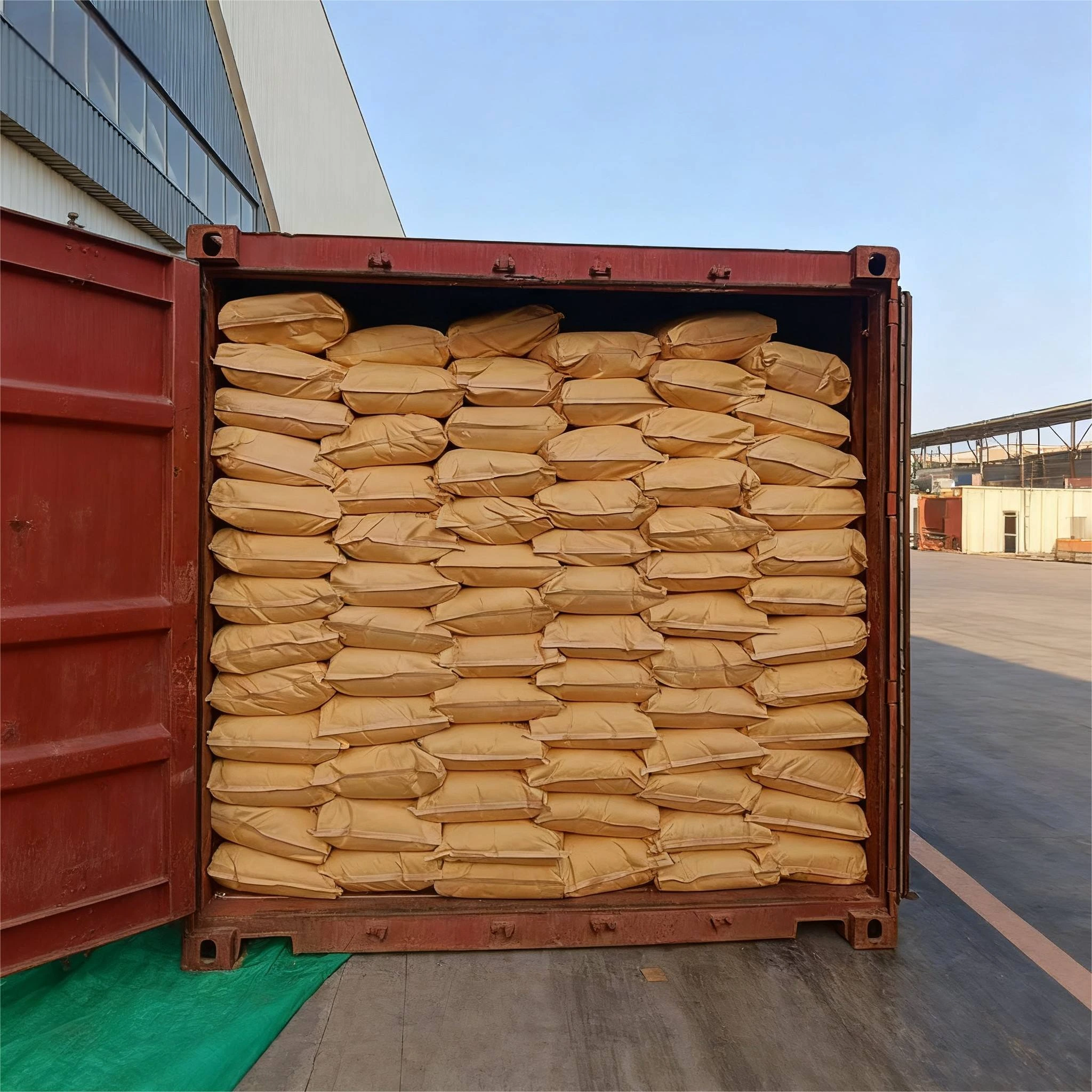
Industrial Calcium Hydroxide 90%-96% for Waste Incineration and Flue Gas Desulfurization
-
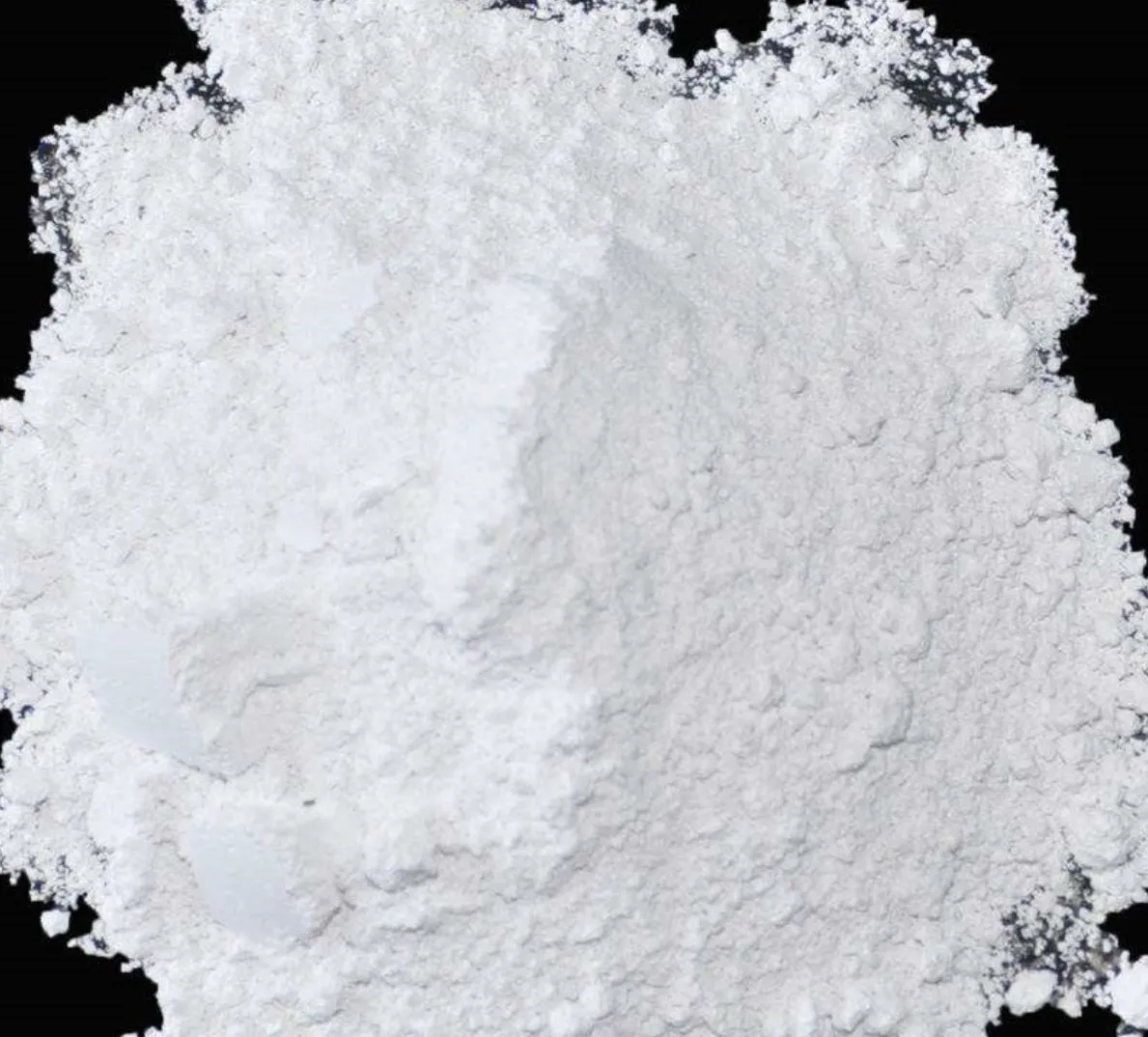
ColorWhitePhysical formPowder
-
CAS No.1305-62-0Purity90%-96%
-
Appearancewhite powderApplicationWaste Incineration, Flue Gas Desulfurization
-
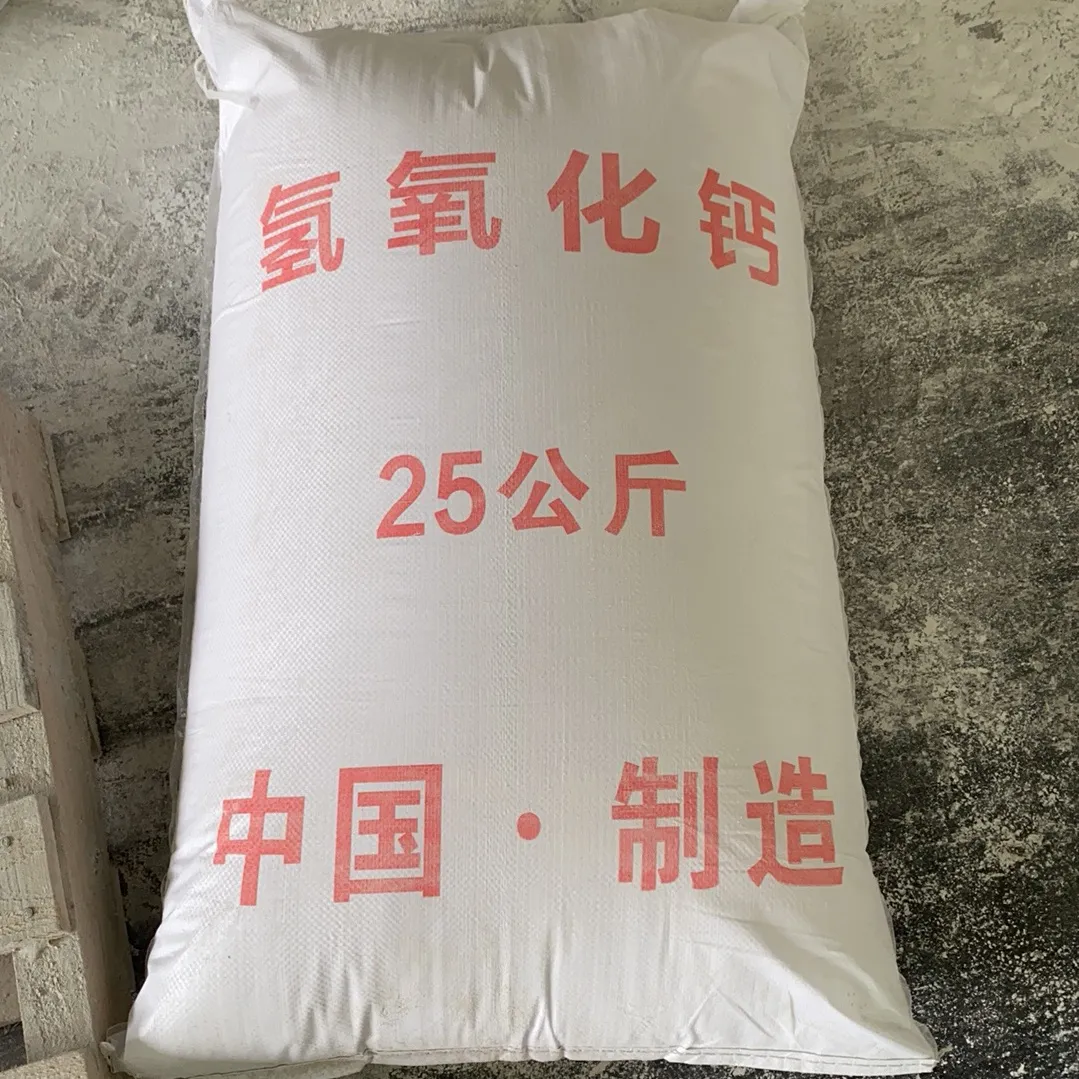
ClassificationCalcium HydroxideEINECS No.215-137-3
-
Grade StandardIndustrial GradeMolecular FormulaCa(OH)2
-
Other Namesslaked lime
A waste-incineration plant needs a lime grade that fits its own material specification. This industrial calcium hydroxide white powder is offered with a 90%-96% purity range and a stated flue-gas-desulfurization application. Those details define a candidate for assessment, rather than an emissions result.
Separate the incineration application from a performance promise
Waste incineration and flue gas desulfurization are the named use contexts for this powder. The next question is whether a proposed sample satisfies the plant's acceptance criteria. An application label does not establish a removal rate, equipment compatibility or compliance outcome.
Which batch evidence belongs beside the 90%-96% range?
Ask for the assay and test basis applying to the actual grade under discussion. Particle distribution and relevant reactivity information can help the plant define a meaningful qualification. Compare those documents against the required material limits before treating two powders with similar purity labels as interchangeable.
Keep calcium hydroxide distinct in the technical discussion
The identity is calcium hydroxide, Ca(OH)2, also named slaked lime. The supplied CAS 1305-62-0 and EINECS 215-137-3 identifiers support a traceable enquiry. Use this identity together with the industrial-grade designation when asking for the proposed sample's analysis and handling documentation.
- Identify the incineration process and the material acceptance specification.
- Agree on the sample documents and tests needed for that specification.
- Review the controlled qualification outcome before deciding on substitution.
This sequence keeps the purchase tied to the plant's evidence. It avoids turning a broad purity range into an assumed operating condition or a promised environmental improvement.