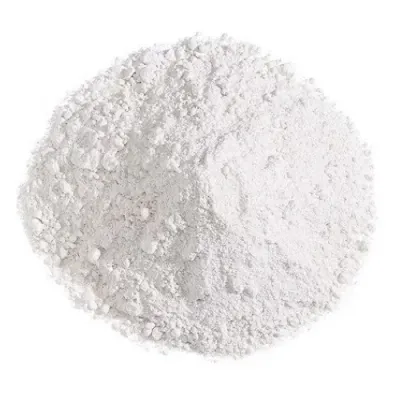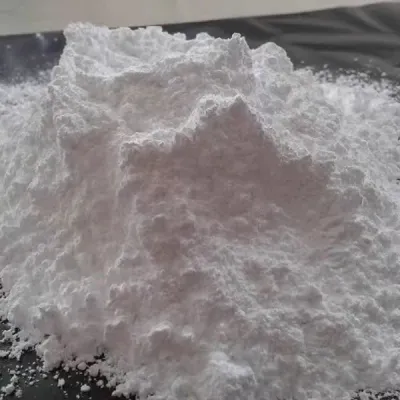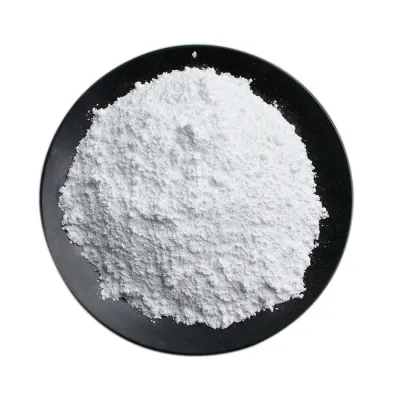
XM-T288 Industrial Titanium Dioxide Pigment for Paint, 94% Purity, Stated Size 50 nm
-
Particle-size designationNanometre designationColorWhite
-
CAS No.13463-67-7Purity94%
-
Model NumberXM-T288Appearancewhite
-
Applicationpigment, paint, industrial ink and powder coating.ClassificationTitanium Dioxide
-
Grade StandardIndustrial GradeMolecular Formulatio2
-
Other NamesTitanium DioxideProduct nameTitanium Dioxide TiO2
-
KeywordsWhite Powder Tio2 Titanium DioxideUsagePaint Coatings Printing Ink.plastic
-
ColorWhite ColorGradeIndustrail Grade
-
Package25kg/bagMOQ1 Ton
-
Particle size50nm
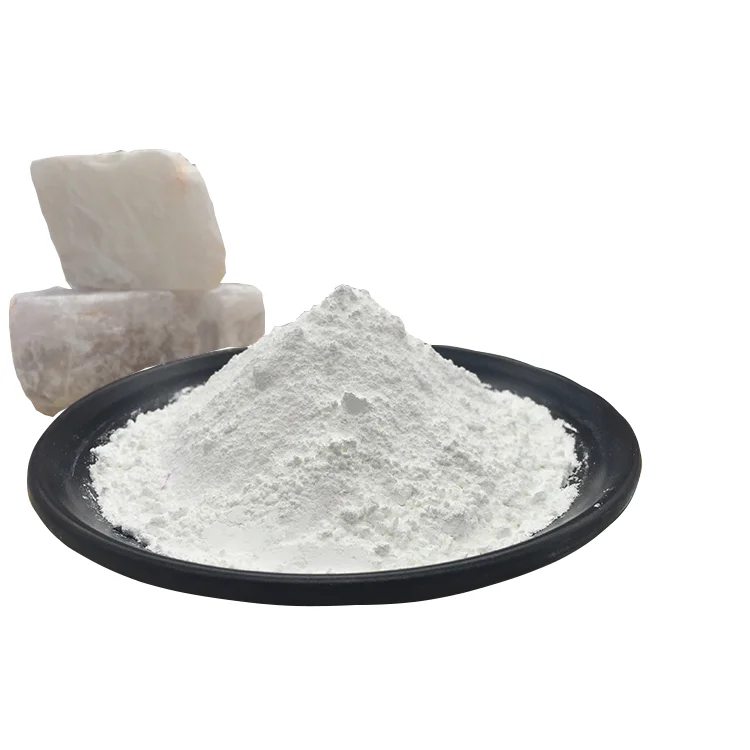
A particle-size number is most useful when the measurement object is clear. XM-T288 is a white industrial titanium dioxide pigment powder with stated purity of 94% and a particle-size value of 50 nm. Paint is a named application alongside industrial ink, powder coating and plastics.
Define what the XM-T288 size value measures
Request the report supporting the stated 50 nm value and identify the analytical method. Ask whether the result concerns primary particles, agglomerates or another defined measurement basis. Obtain the wider distribution before using the number as a complete pigment specification.
Confirm phase and treatment independently of the model
Ask for the grade's phase characterization and any surface-treatment description needed by the formulation team. The XM-T288 model name does not establish either property. Keep those documents connected with current analysis for the sample actually being considered.
Use the paint binder to evaluate the pigment
Define the processing and film-appearance criteria before comparing XM-T288 with the existing candidate. Assess the actual dispersion and coating result under the intended conditions. A white appearance and a stated small-particle value do not independently establish opacity, gloss or a finished-paint improvement.
Keep each application comparison specific
Industrial ink, powder-coating and plastic projects need the appropriate vehicle or polymer and their own acceptance tests. Request the relevant grade documents with the sample enquiry. Record the analysis, measurement methods and trial results together before deciding whether the material meets the selected process requirement.