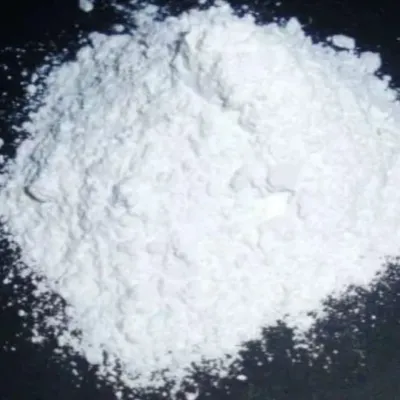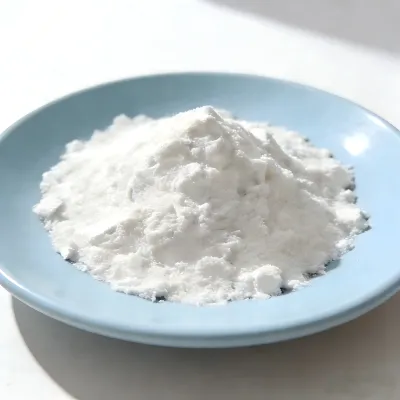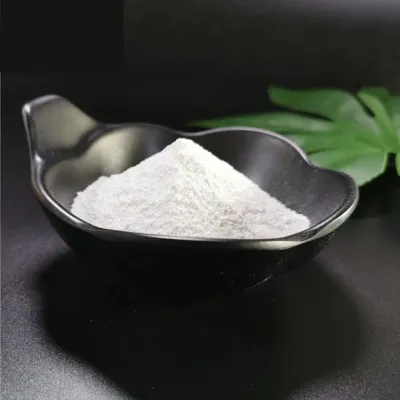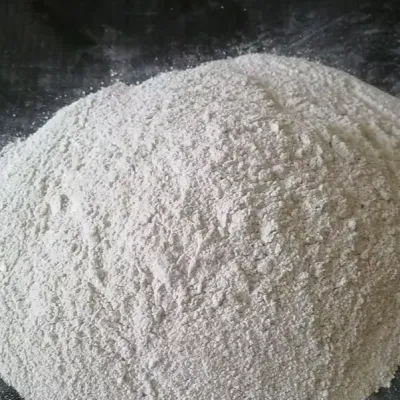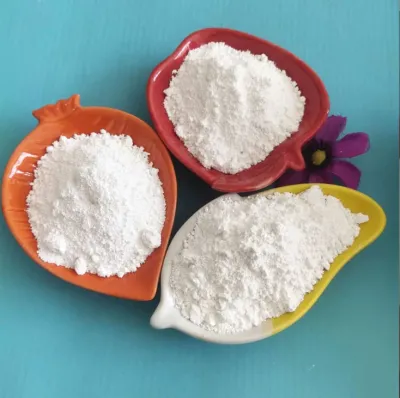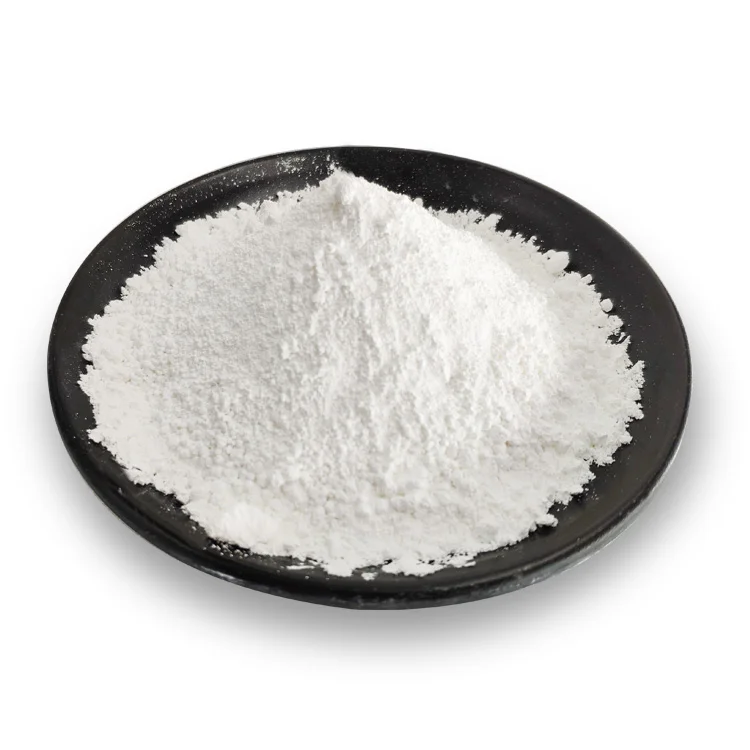
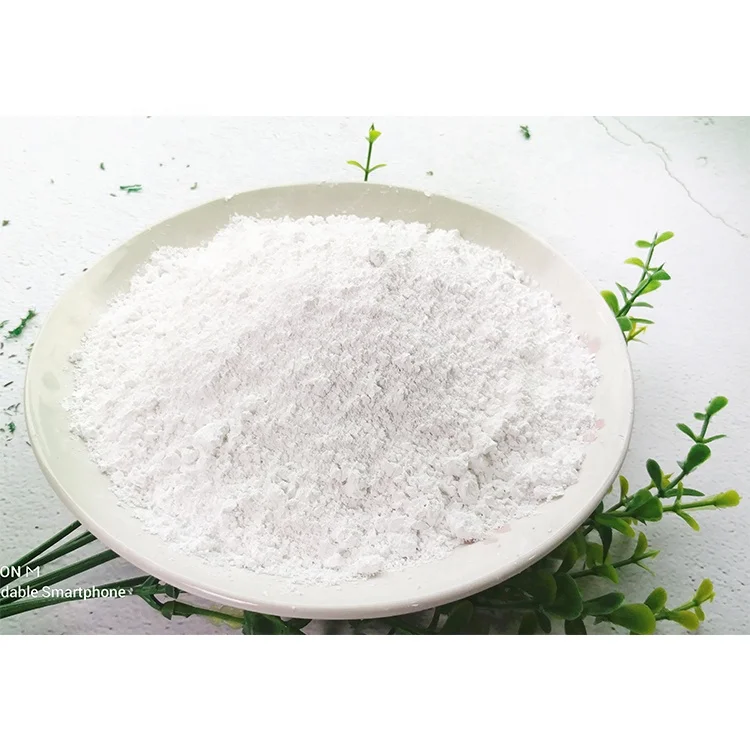
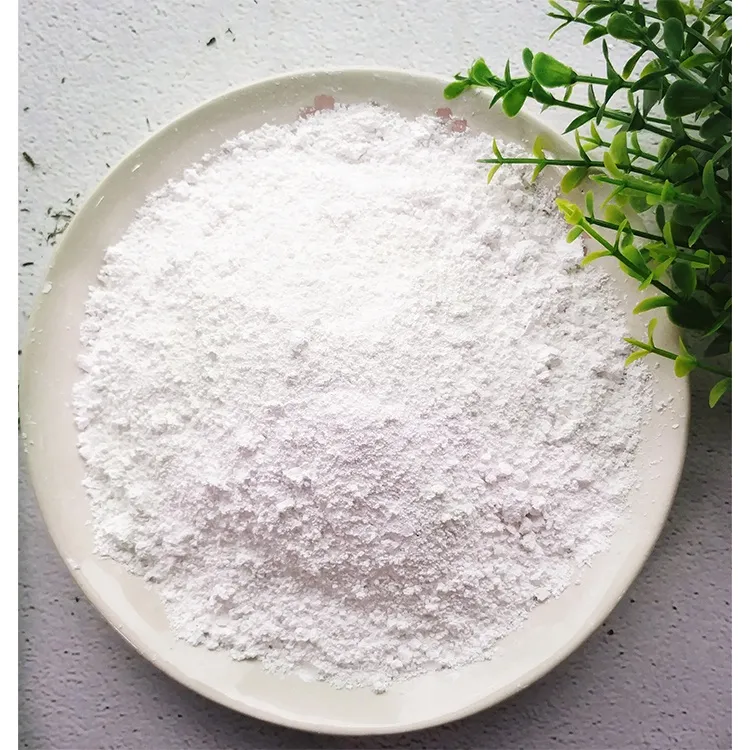
XM300-650 Active Calcium Carbonate CaCO3 Powder for Industrial Paint and Polymer Trials
-
Particle-size designationAverage size specifiedColorWhite
-
Physical formPowder
-
CAS No.471-34-1Purity98%
-
AppearanceWhite PowderApplicationPaint
-
ClassificationCarbonateEINECS No.207-439-9
-
Grade StandardIndustrial GradeMolecular FormulaCaco3
-
Other Namescalcium carbonateTypeCalcium Carbonate
-
Model NumberXM300-650HS code28365000
-
ColorPure WhiteGradeIndustrial Grade Food Grade
-
CertificateISOUsagePlastic,rubber,paper making
-
D9718Whiteness97
-
ph9+-1Loss on ignition43.5
-
Average particle size5
The word active should prompt a treatment question when selecting a calcium carbonate powder. XM300-650 is a pure white industrial CaCO3 powder with stated purity of 98% and pH of 9±1. Paint, plastic, rubber and papermaking are the identified industrial evaluation contexts.
Clarify the active designation for XM300-650
Ask whether a treatment is present and request the declaration describing it. Confirm any formulation restrictions relevant to the intended binder or polymer. An active designation alone does not identify the agent, treatment level or a compatibility benefit.
Define the particle and colour comparison
Request the full particle distribution with units and measurement method before judging fineness. Obtain the whiteness scale and reference separately. Compare the sample using the same preparation and test basis as other candidate calcium carbonate materials.
Keep the industrial trial tied to its end use
Provide the paint binder, polymer compound or papermaking system in the enquiry. Set the processing and finished-material tests that determine acceptance. Evaluate the actual sample under those conditions rather than inferring performance from purity, appearance or the active description.
- What establishes specialised grade suitability?
- The documentation and tests required for the exact intended use; industrial assay alone is insufficient.
- What makes this sample review useful?
- Current composition analysis, treatment information and comparable particle, optical and pH reports.
Keep the technical documents connected to the material that was tested. Review the project results and any applicable qualification evidence before final acceptance.