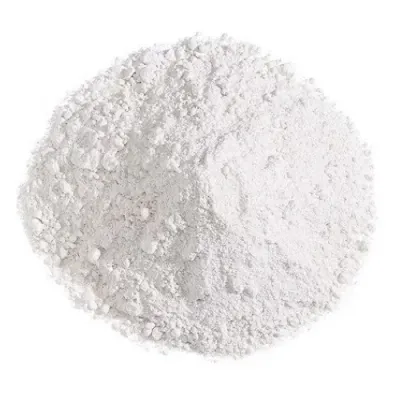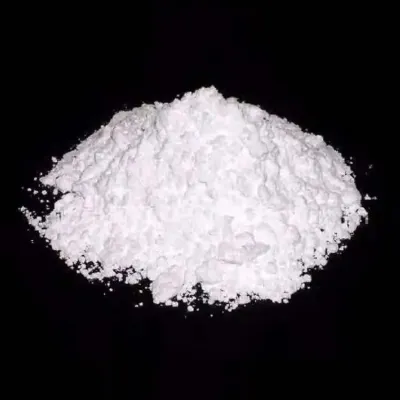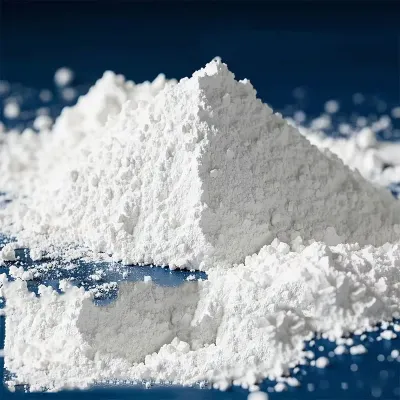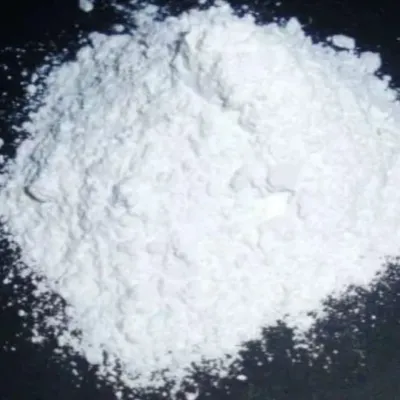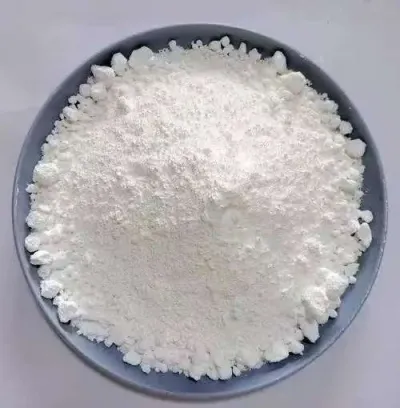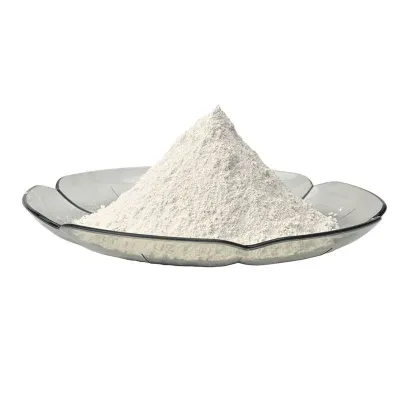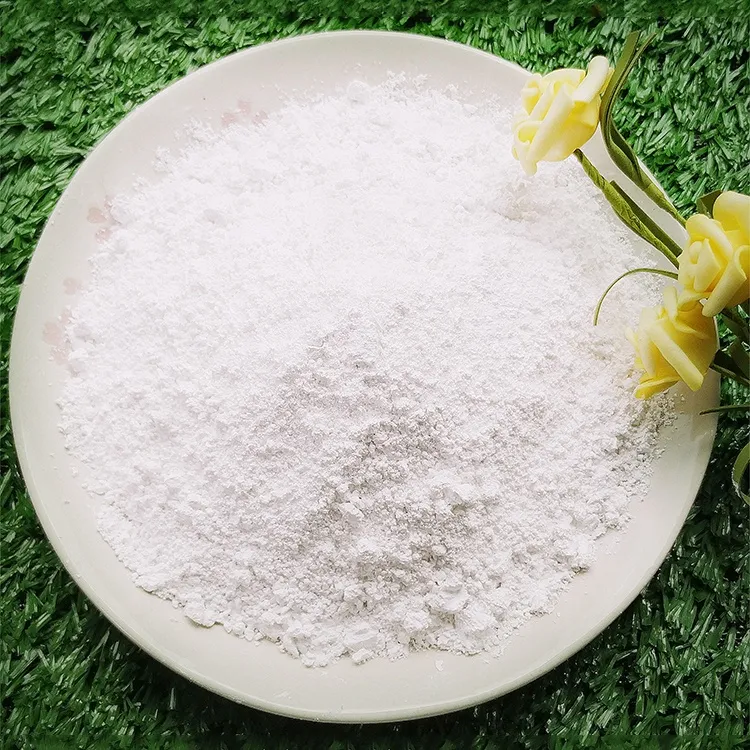
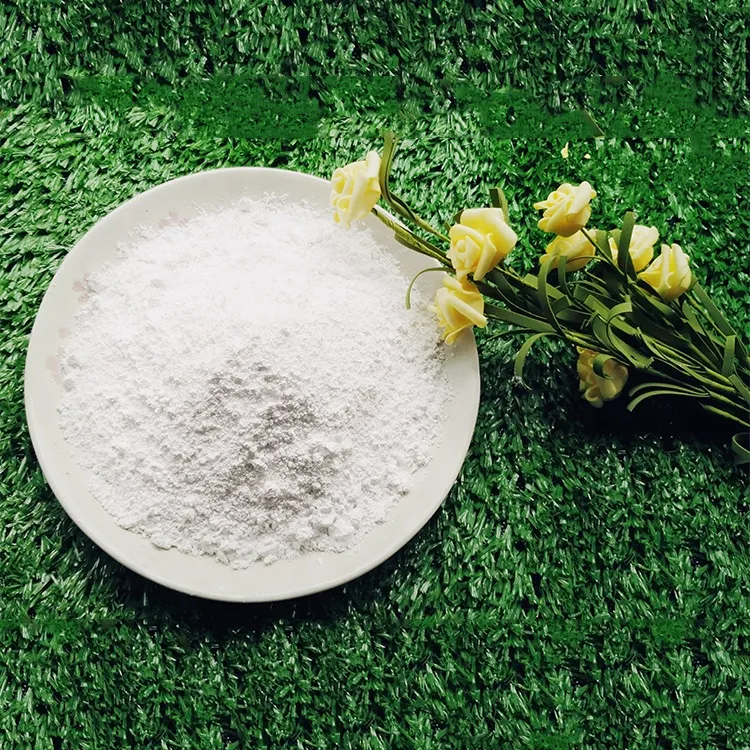
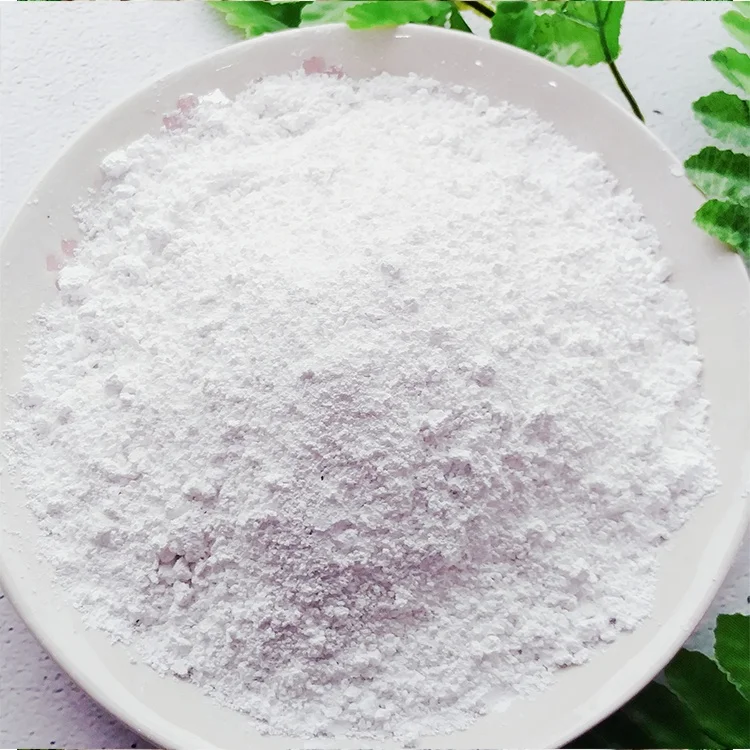

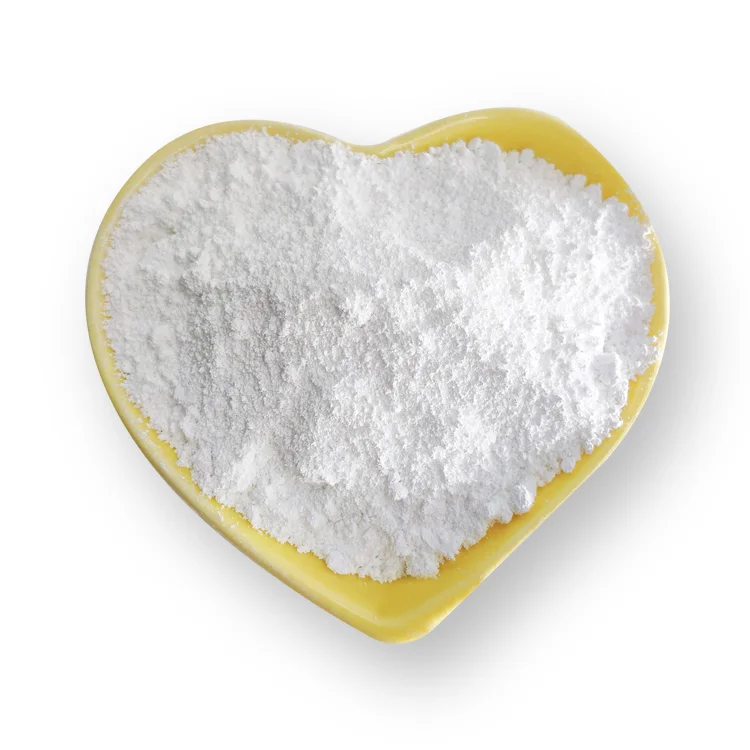
XM300 Industrial Calcium Carbonate CaCO3 White Powder, Stated 99% Purity, for Paint Assessment
-
Particle-size designationAverage size specifiedColorWhite
-
Physical formPowder
-
CAS No.471-34-1Purity99%, 99%
-
AppearanceWhite PowderApplicationPaint
-
ClassificationCarbonateEINECS No.207-439-9
-
Grade StandardIndustrial GradeMolecular FormulaCaCO3
-
Other Namescalcium carbonateTypeCalcium Carbonate
-
Model NumberXM300Product nameCalcium Carbonate
-
ColorPure WhiteGradeIndustrial Grade
-
CertificateISOD9718
-
Whiteness97ph9+-1
-
CAS471-34-1Average particle size5
XM300 is an industrial calcium carbonate white powder for paint assessment. Its chemical identity is CaCO3, with stated purity of 99%; that composition statement is not presented as a minimum specification or a specialized-use qualification.
Make the XM300 particle report numerically usable
Request the current distribution report with declared units and methods for D97 and average particle size. A figure without its measurement basis cannot establish a micron limit or a meaningful comparison with the buyer’s powder requirement.
Confirm the identity of the actual sample that the report represents. Ask separately whether the offered grade is ground or precipitated, since calcium carbonate identity alone does not choose a production route.
Define the optical and binder requirements
A paint enquiry should identify the binder and the colour or finish tests that will determine acceptance. Obtain the whiteness scale and procedure rather than interpreting a general white-powder description as a verified optical result.
If pH matters to the formulation, request its test conditions as well. Surface treatment also needs an explicit declaration for XM300 before any compatibility assessment relies on it.
Keep industrial selection within the documented scope
Use the current analytical and physical reports to plan an actual sample evaluation. The stated assay does not establish food, medical, electronic or reagent suitability, and an ISO qualification needs its own evidence.
Retain the selected grade’s technical sheet and analysis alongside the paint-trial result. That creates a clear basis for an industrial model decision without inventing particle units, treatment chemistry or a guaranteed coating outcome.