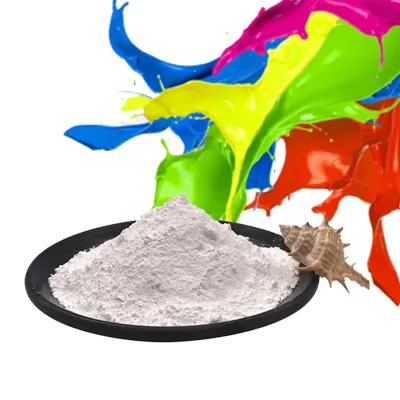
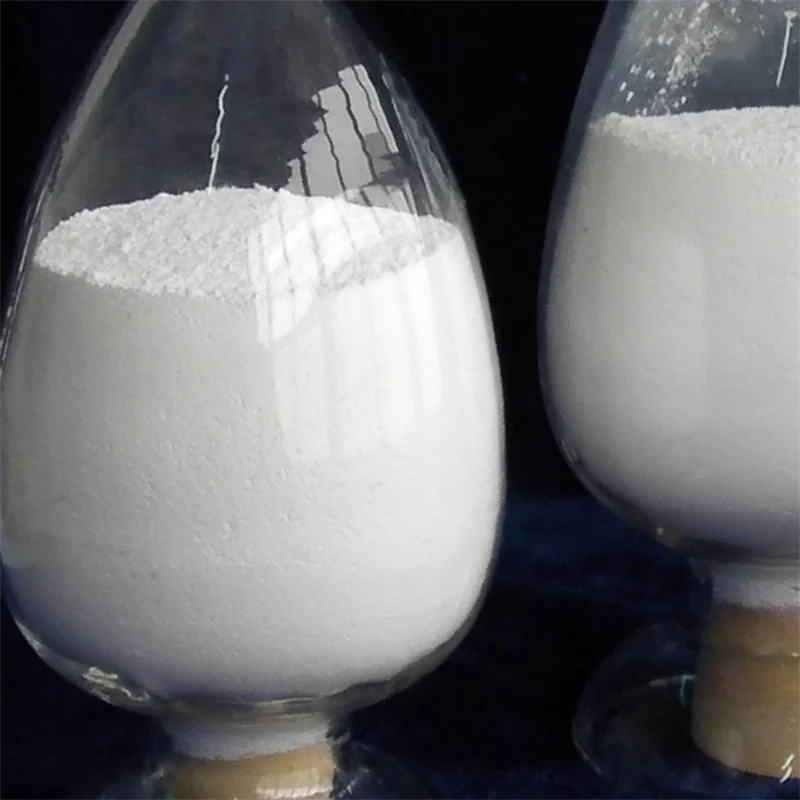
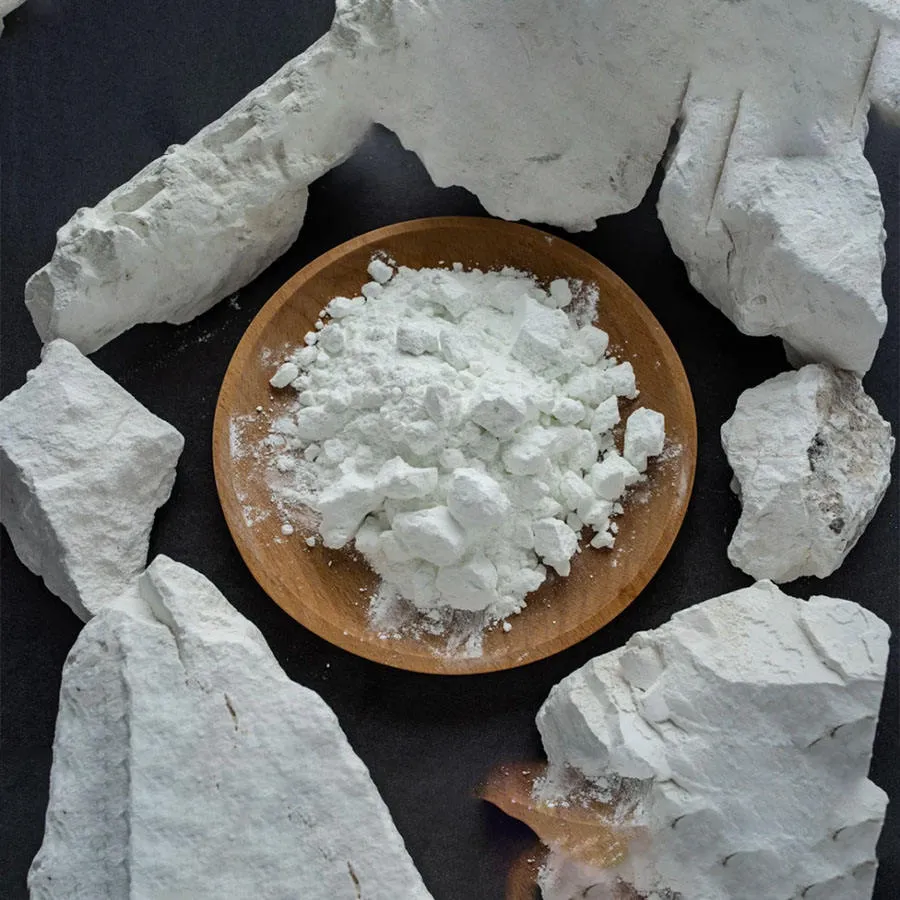
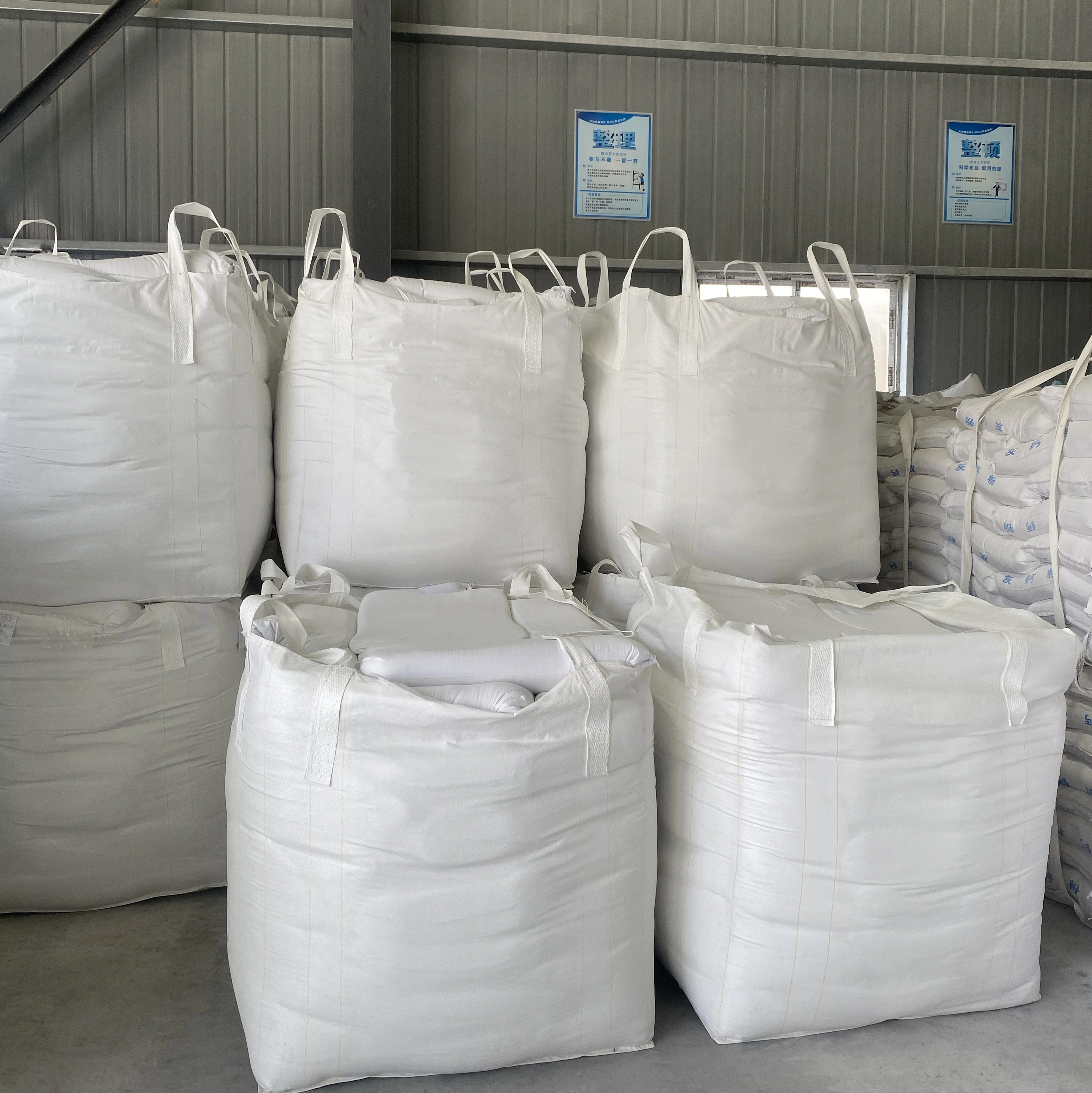
602-6 Calcium Carbonate Powder, 90±10nm, for Adhesive and Silicone-Sealant Formulation Assessment
-
Particle-size designationNanometre designationColorWhite
-
Physical formPowder
-
CAS No.471-34-1Purity95%-99%
-
Appearancewhite powderApplicationAdhesion | Ideal for Adhesives
-
ClassificationCarbonateEINECS No.207-439-9
-
Grade StandardIndustrial GradeMolecular FormulaCaco3
-
Other NamesNano-calciumTypeCalcium Carbonate
A defined adhesive acceptance brief is the starting point for evaluating 602-6 calcium carbonate. This industrial white powder has stated purity of 95%-99% and a 90±10nm designation, with silicone sealants and adhesives named as intended enquiry areas.
State the formulation question before requesting a trial
Identify the binder system, application requirements and the results that would justify further evaluation. Keep uncured rheological behaviour distinct from cured tensile performance. These are different measurements, and neither is established by a general sealant-grade name or particle-size designation.
Match the sample to the 602-6 document set
Request technical and safety information for the actual proposed powder. Clarify the method and dimension represented by 90±10nm, then obtain the relevant distribution, treatment and moisture records. Do not treat the designation as a measured distribution percentile or assume a particular surface chemistry.
Record the comparison scope
Note the formulation and material identifiers used in the evaluation. Agree the test conditions and acceptance criteria before comparing any proposed change in thixotropy or tensile response.
Carry the evidence into a repeat enquiry
Review the powder characterization together with the representative compound results. No enhanced performance, universal compatibility or prescribed addition ratio is established here. Keep the sample identifier, measurement methods and trial conditions with the report so the outcome has a clear technical scope. A subsequent request can then distinguish the same evaluated 602-6 material from a changed powder specification, binder system or end-use requirement.