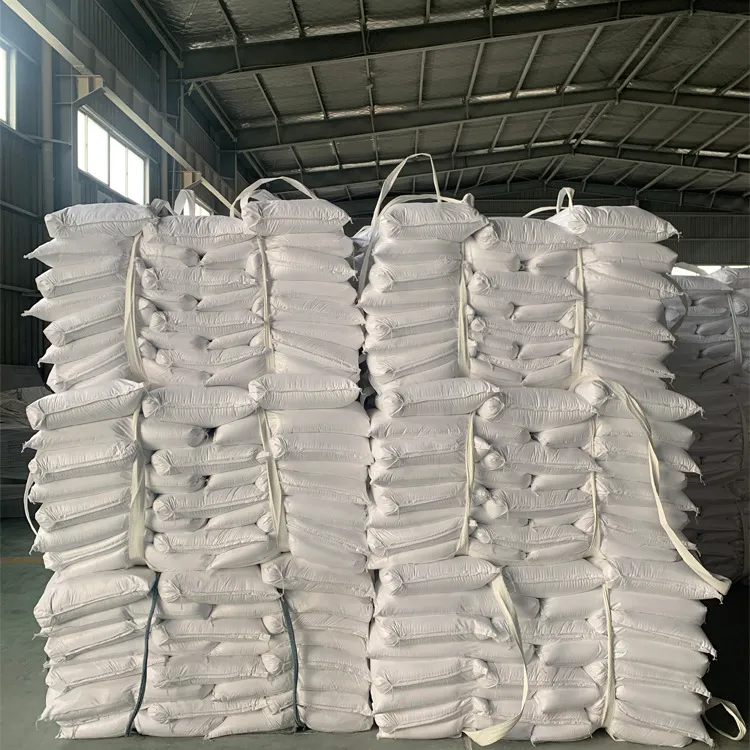
701 Calcium Carbonate for Furniture Edge Banding, 130±10nm, DOP Oil Absorption ≤22ml/100g
-
Particle-size designationNanometre designationColorWhite
-
Physical formPowder
-
CAS No.471-34-1Purity95%-99%
-
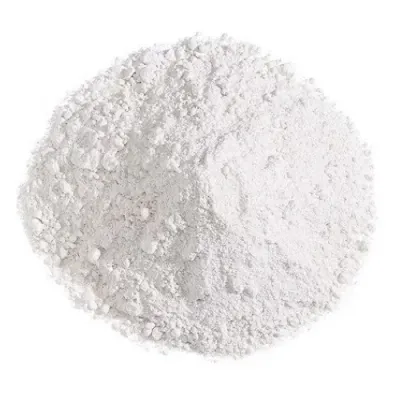
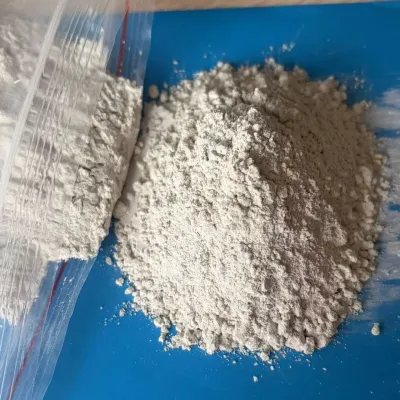
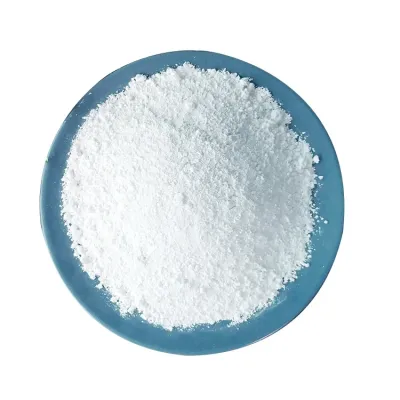
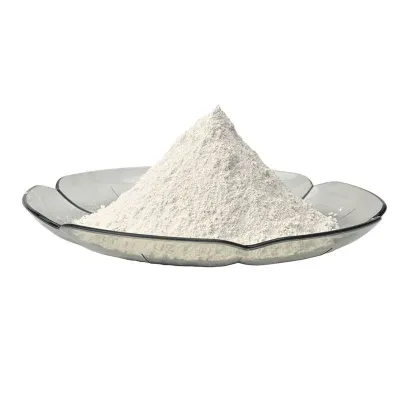
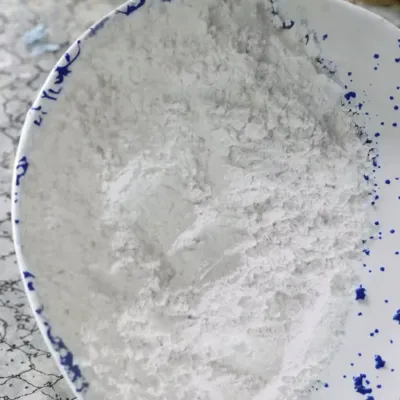
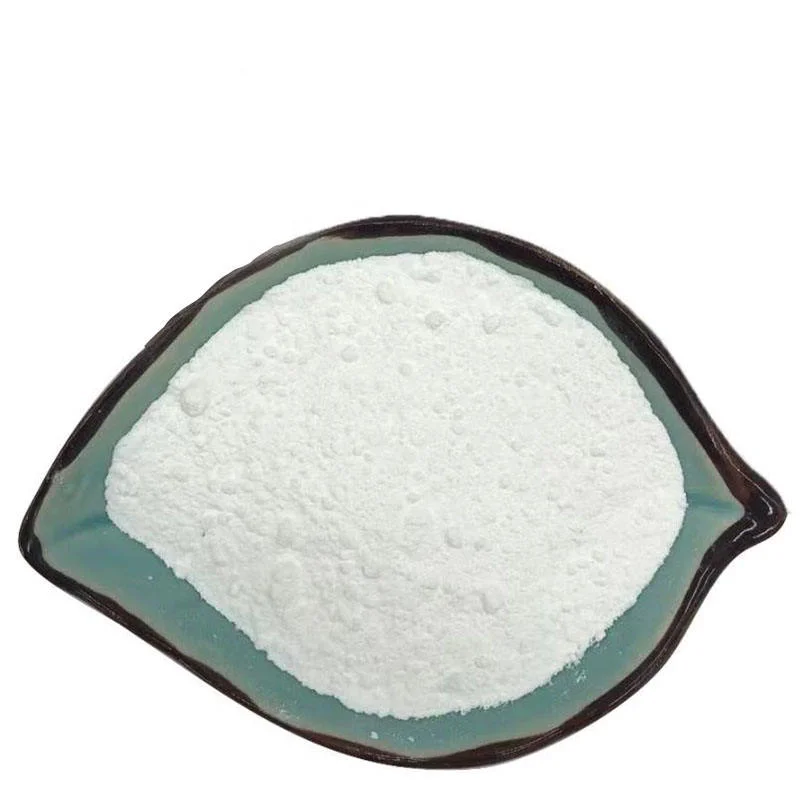
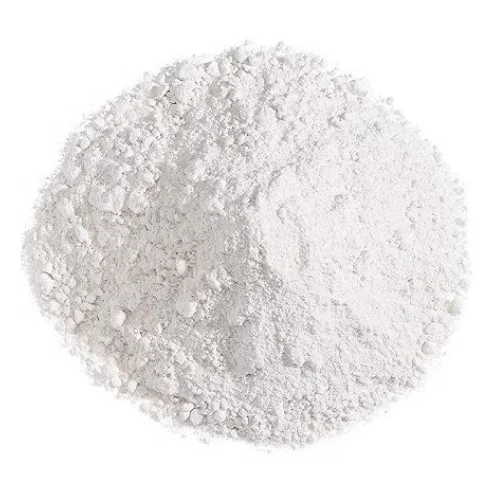
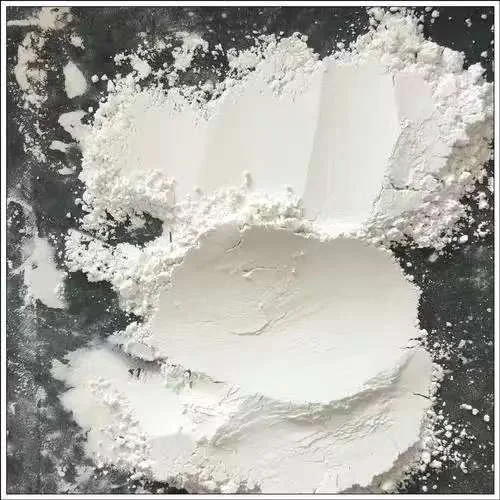
Appearancewhite powderApplicationFurniture Edge - banding Calcium Carbonate
-
ClassificationCarbonateEINECS No.207-439-9
-
Grade StandardIndustrial GradeMolecular FormulaCaco3
-
Other NamesNano-calciumTypeCalcium Carbonate
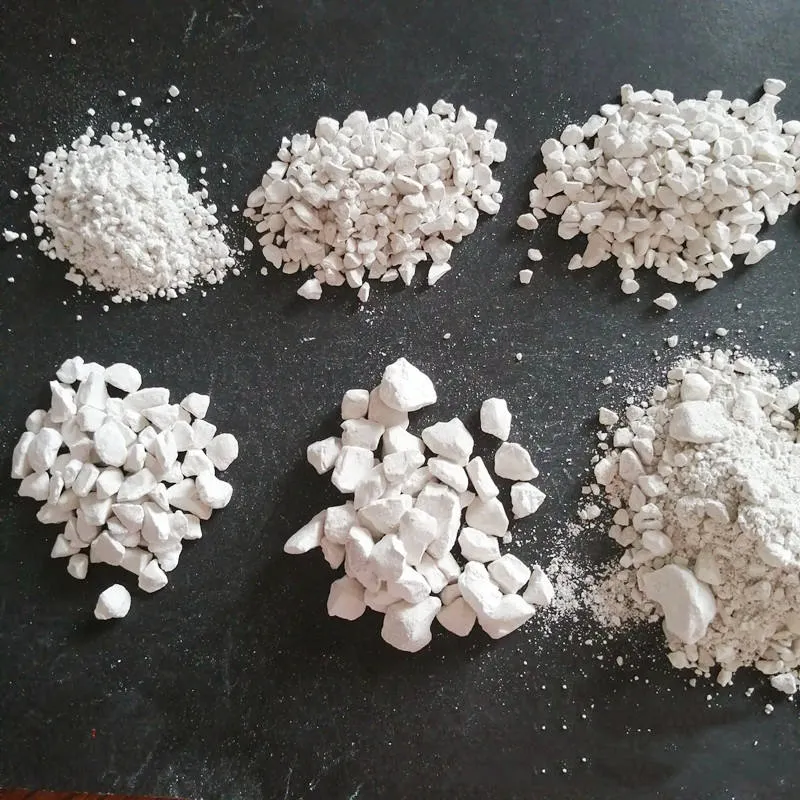
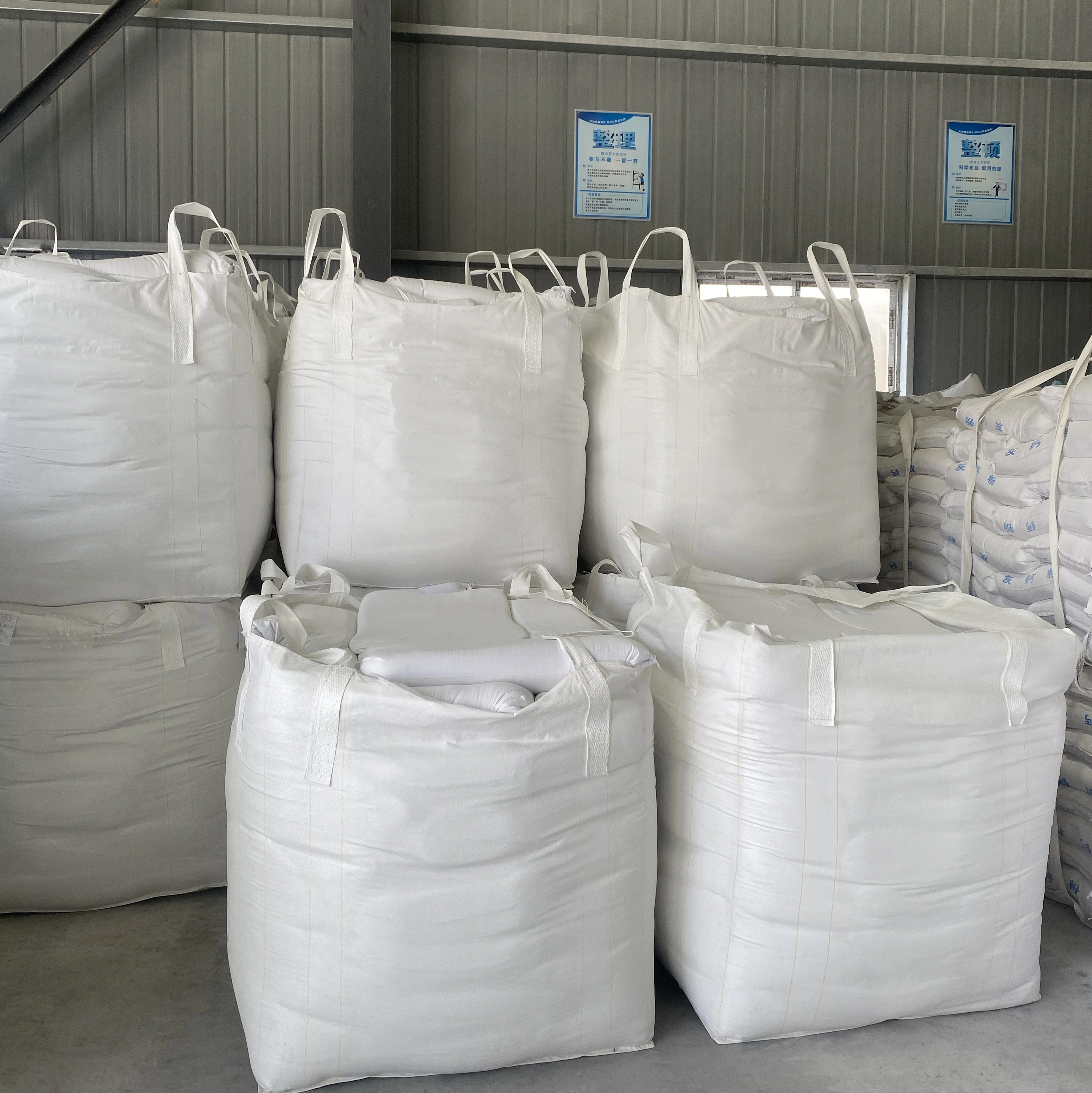
701 is the actual model for this industrial calcium carbonate powder intended for furniture edge-banding assessment. It is described as white powder with stated purity of 95%-99%, while the particle-size and DOP absorption designations provide specific starting points for a technical enquiry.
Read the DOP limit on its own test basis
The stated oil absorption designation is ≤22ml/100g(DOP). Retain both the maximum sign and the named test medium when requesting the report. Ask for the procedure and endpoint so a comparison concerns equivalent measurements; this figure alone does not determine plasticizer demand in a finished edge-banding formulation.
Connect the 130±10nm designation to the supplied powder
Request the particle-size method and clarification of what the reported dimension measures. Do not assume it represents a particular distribution percentile or dispersion state. Ask whether a surface treatment is applied and obtain the relevant technical and safety documentation for the proposed 701 sample.
- Powder assessment
- Assay, particle measurement, treatment information and DOP procedure.
- Compound assessment
- Resin identity, dispersion, processing response and appearance criteria.
Judge the finished strip in the intended resin
Describe the resin system and edge-banding requirements before choosing a representative evaluation. Assess process response and base-colour consistency against agreed criteria rather than deriving them from the powder designation. No addition ratio or universal processing result is established here. Keep the tested material identifier and measurement methods with the formulation record so subsequent enquiries remain specific to the grade evaluated.