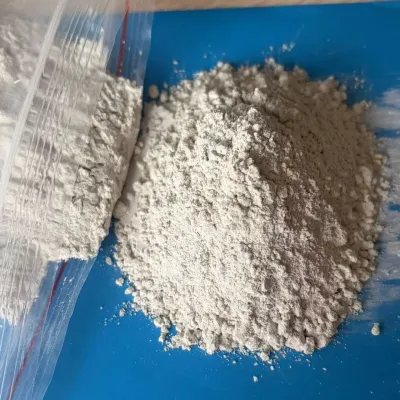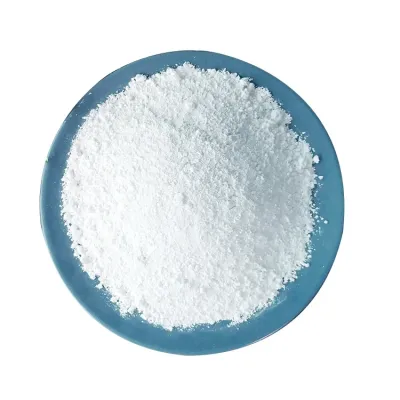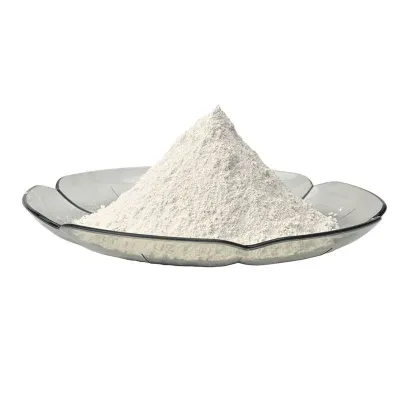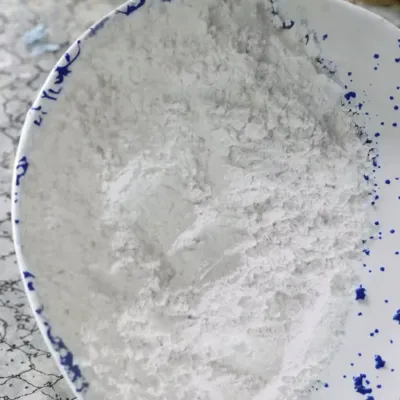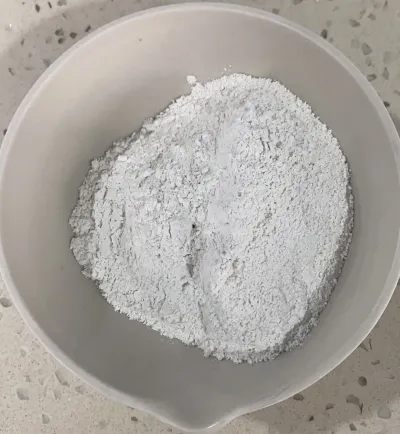
Acicular Wollastonite Calcium Silicate Needle-Like Powder 800 and 1250 Mesh for Industrial Material Assessment
-
Particle-size designationMesh designationPhysical formPowder
-
Fe2O3 Content (%)≤1.2%SiO2 Content (%)48%-51%
-
Whiteness≥92%
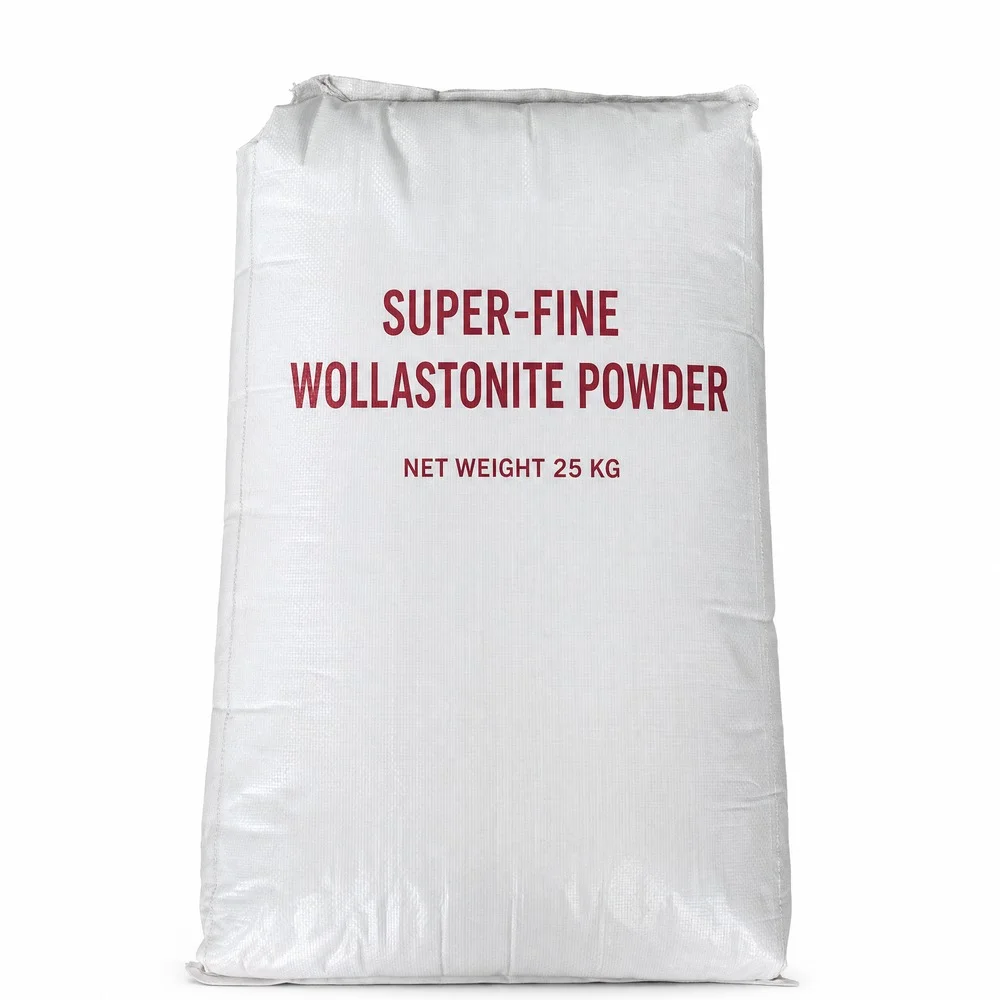
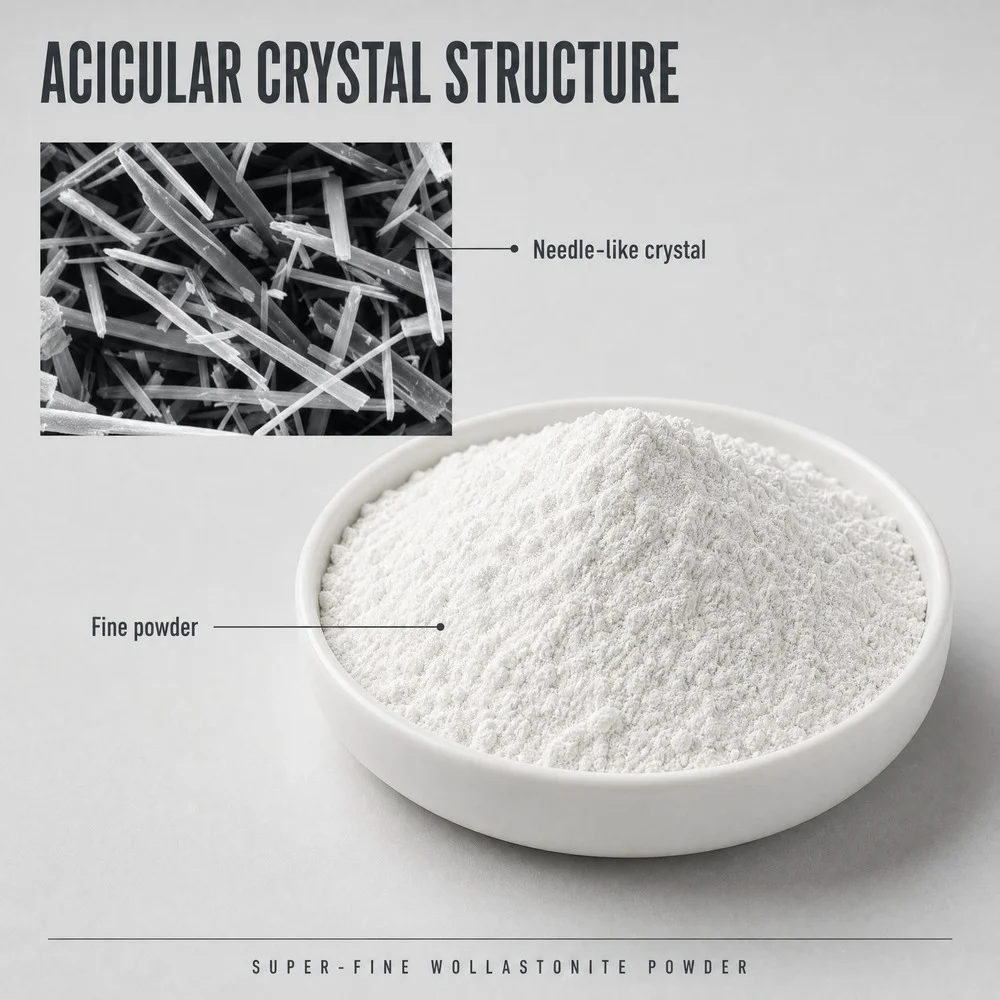
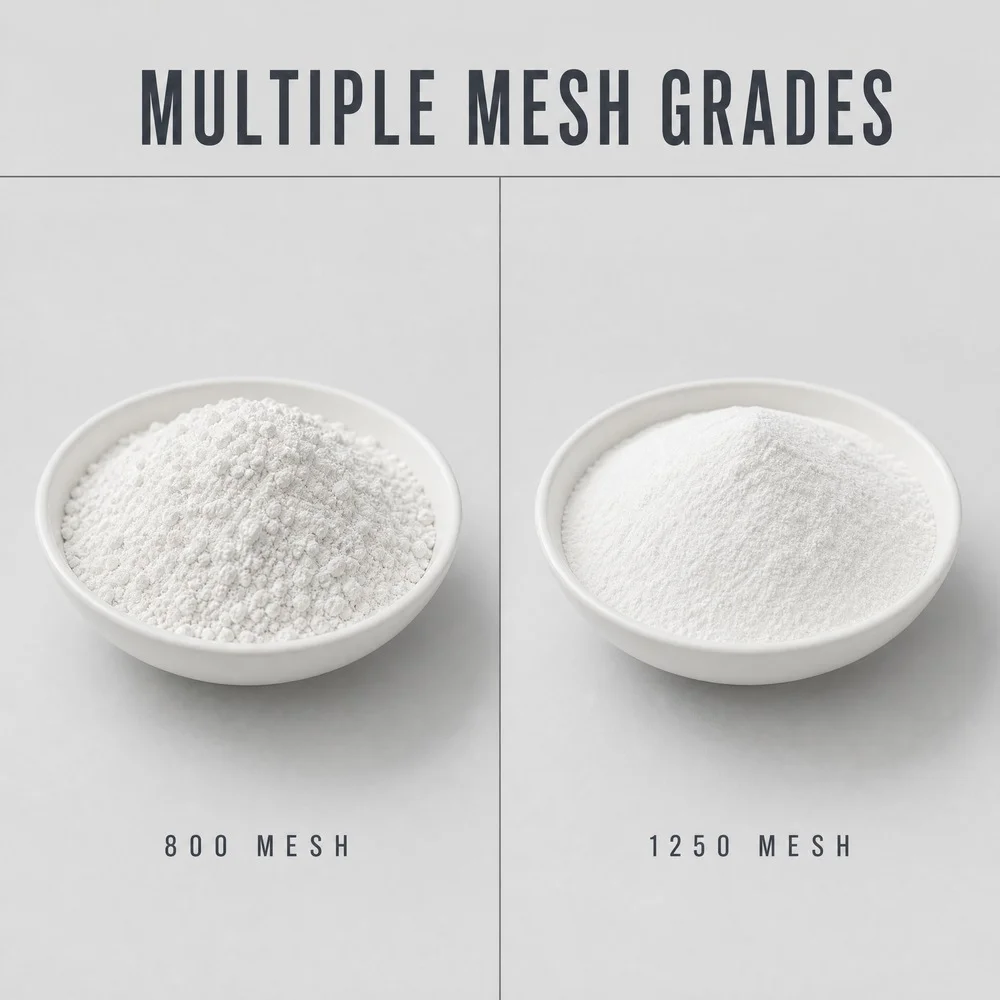
Particle geometry is an important question when a material is described as acicular or needle-like. This wollastonite powder carries calcium-silicate and needle-like crystal designations for industry, with actual 800mesh and 1250mesh model options.
Establish the geometry of the selected wollastonite model
Request particle-shape and distribution measurements relevant to the intended material duty. The descriptive name does not supply a measured aspect ratio, and the mesh label should not be converted into an assumed particle-distribution result.
Review the oxide profile with its analytical method
Fe2O3 content is stated as ≤1.2% and SiO2 content as 48%–51%. Obtain current results identifying the actual model and the methods used, then compare them with the chemical limits required by the project.
- Identify whether 800mesh or 1250mesh is under consideration.
- Review model-linked morphology, distribution and oxide analysis.
- Assess relevant sample observations against the actual formulation criteria.
Put the whiteness limit on a defined measurement basis
The stated whiteness is ≥92%, with the test method and scale still to confirm. Ask for that basis before comparing optical requirements, rather than treating unlike measurements as equivalent.
An acicular or superfine designation does not establish reinforcement, electrical behaviour or thermal performance. Describe the actual industrial formulation and obtain relevant trials and current safety records, keeping the selected model with the geometry, chemistry and optical reports so the decision rests on measured material evidence.