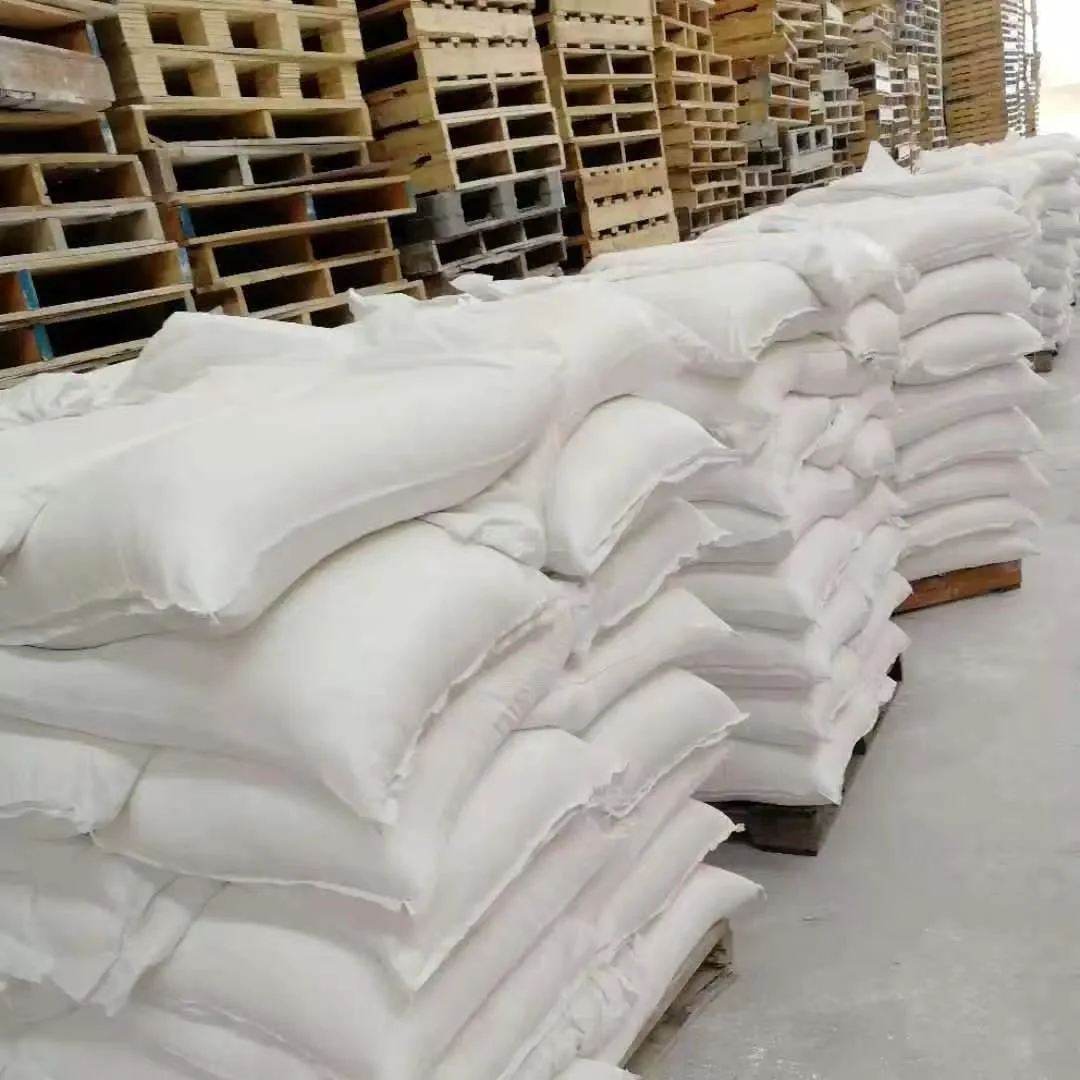
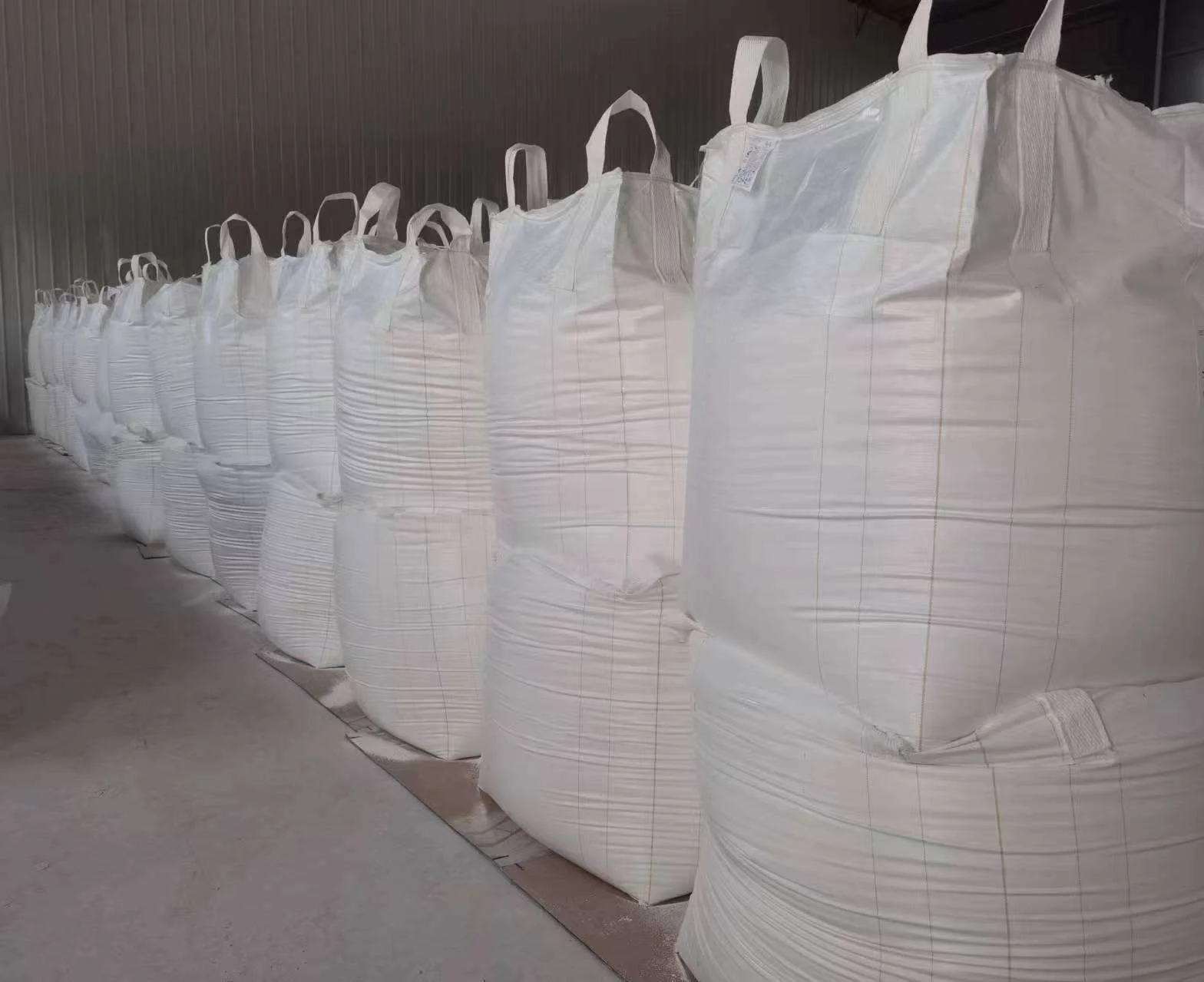
Calcium Hydroxide Hydrated Lime 93% Powder, 400 Mesh for Bleaching Powder Manufacturing Evaluation
-
Particle-size designationMesh designationColorWhite
-
Physical formPowder
-
CAS No.1305-62-0Purity93%
-
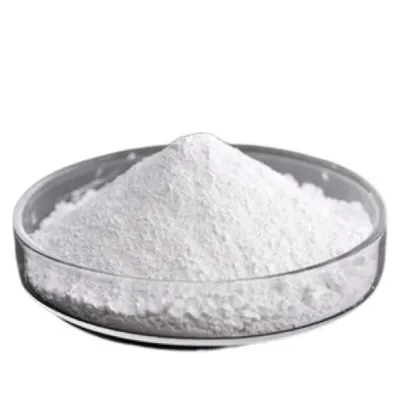
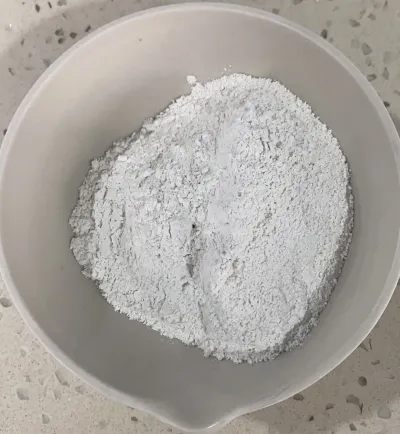
Appearancewhite powderApplicationManufacturing Bleaching Powder
-
ClassificationCalcium HydroxideEINECS No.215-137-3
-
Grade StandardIndustrial GradeMolecular FormulaCa(OH)2
-
Other Namesslaked lime
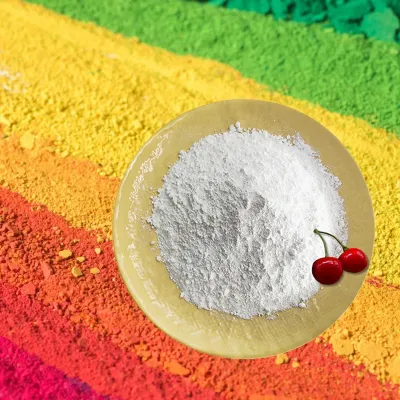
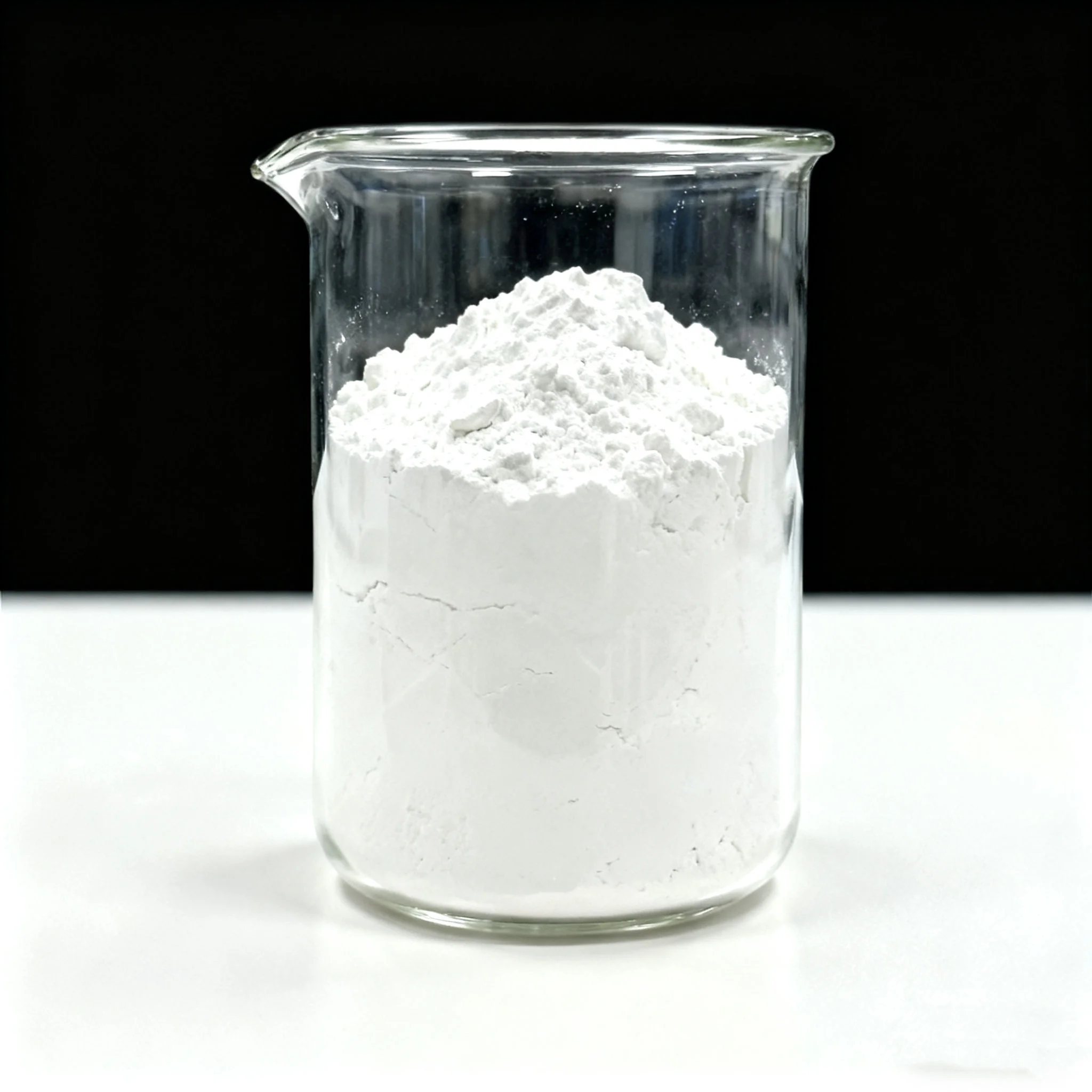
Bleaching-powder manufacturing starts with a raw-material acceptance question, not a finished-product promise. This industrial calcium hydroxide hydrated lime is a white powder with 93% purity and a 400-mesh designation. It can be considered as an input candidate once the required assay and particle criteria are defined.
Identify the calcium hydroxide input before discussing production results
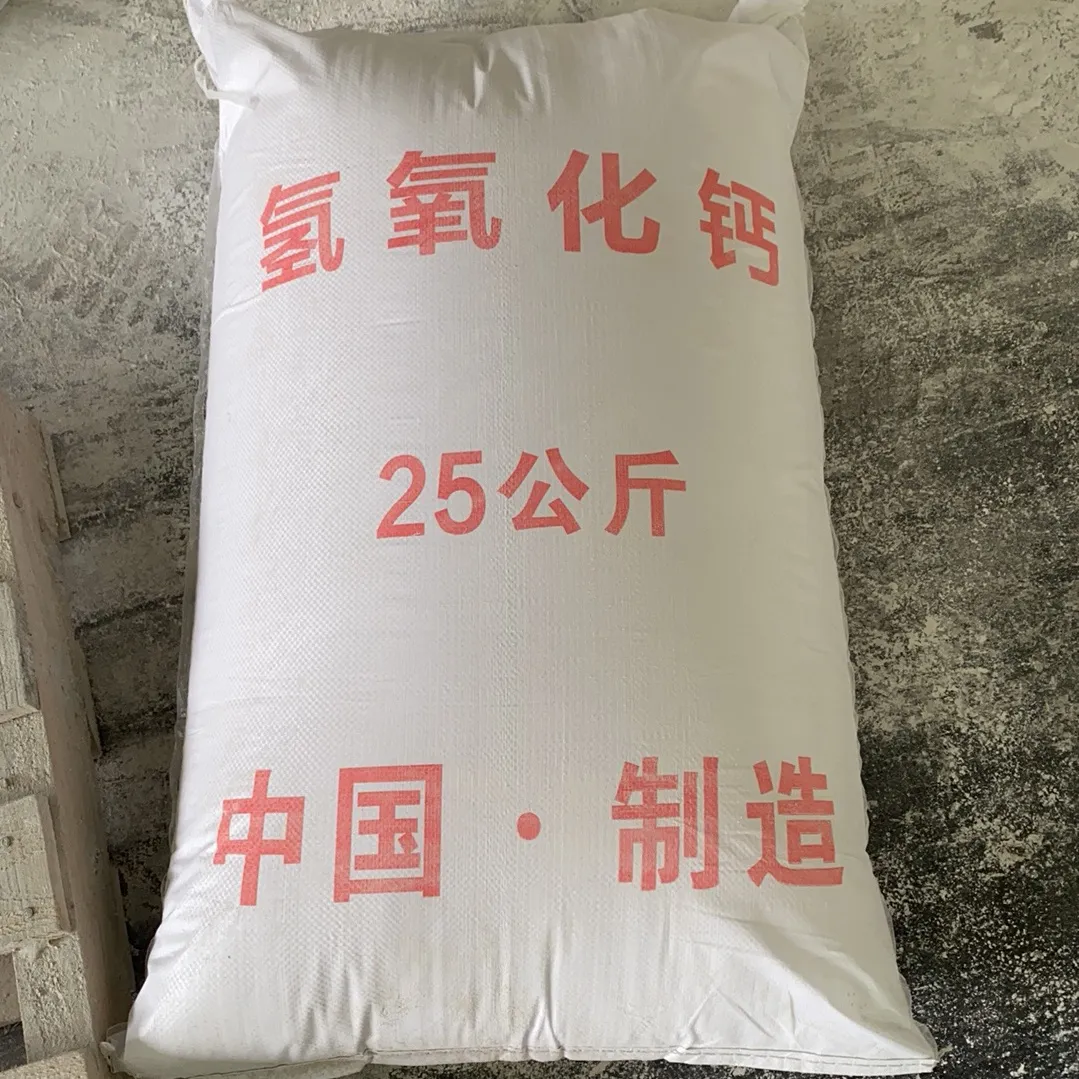
The material is Ca(OH)2, also known as slaked lime, with supplied CAS 1305-62-0. Its stated application is manufacturing bleaching powder. That identifies a raw chemical and its intended use; it does not describe a finished bleaching product or establish the result of a production process.
Give the 400-mesh designation an agreed test basis
Ask which fineness method and particle measurements apply to the proposed grade. The 93% assay is a separate chemical requirement and should be supported by batch analysis. Keeping those two tests distinct makes it easier to compare a sample against the plant's actual purchasing specification.
Use white appearance without inventing a whiteness measurement
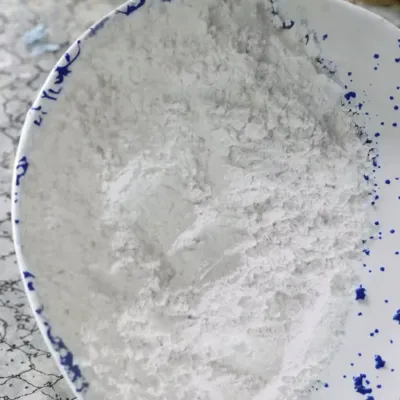
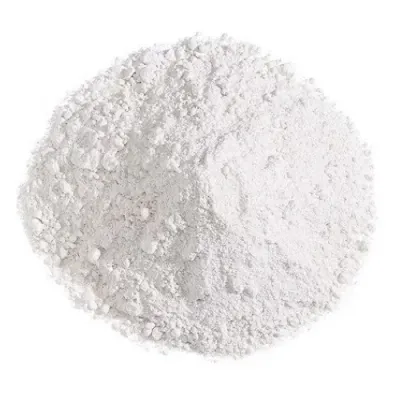
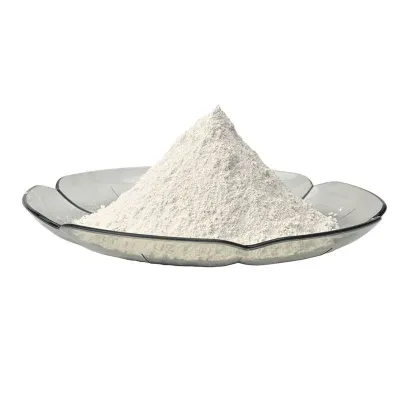
A white powder description gives a visible-form reference. It does not supply a quantified whiteness result or a comparison with another grade. If colour is a deciding acceptance criterion, request a defined test method and the corresponding sample result rather than assuming a numerical value.
Complete the enquiry with the intended manufacturing context and the raw-material tests that will govern acceptance. Plant qualification should determine whether the powder meets those needs. No process yield, finished-product quality or operating recipe should be inferred solely from the assay, mesh or application wording.