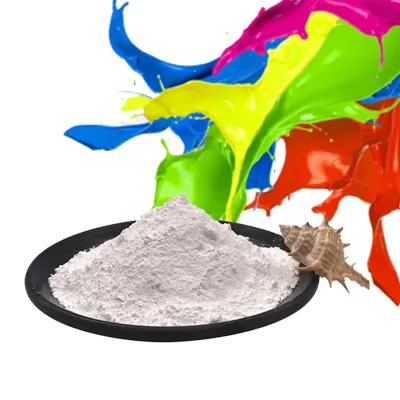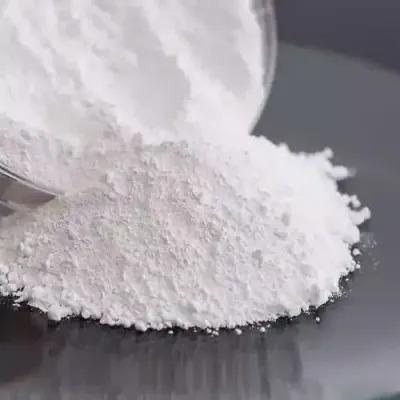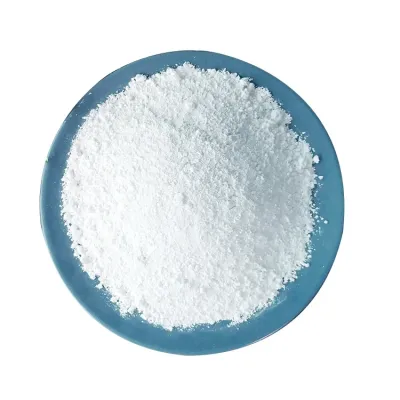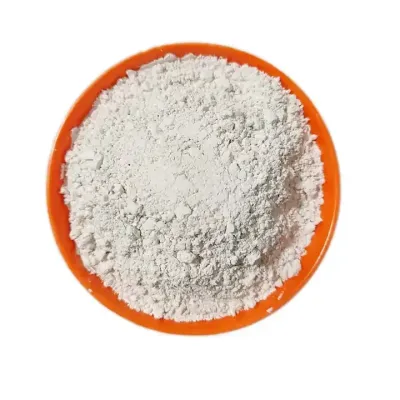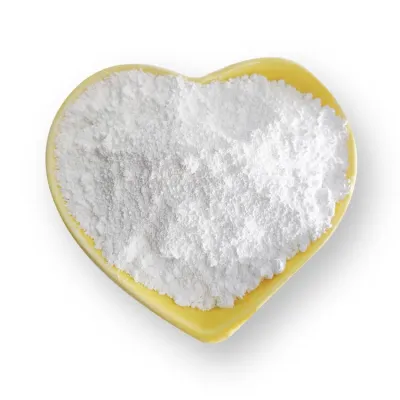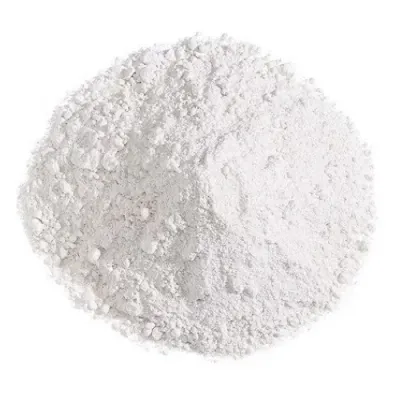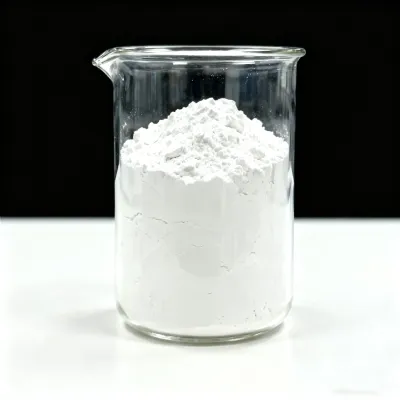
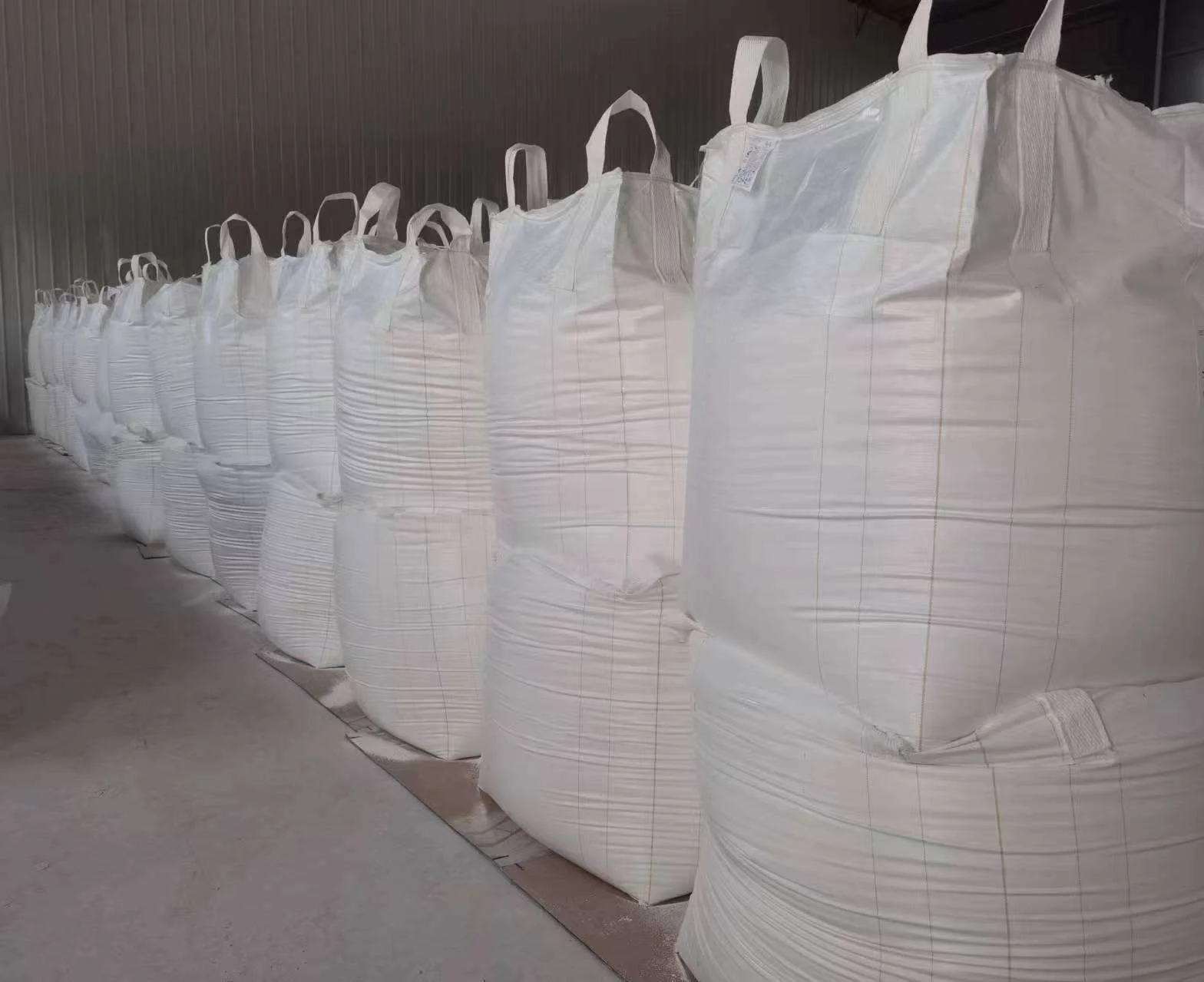
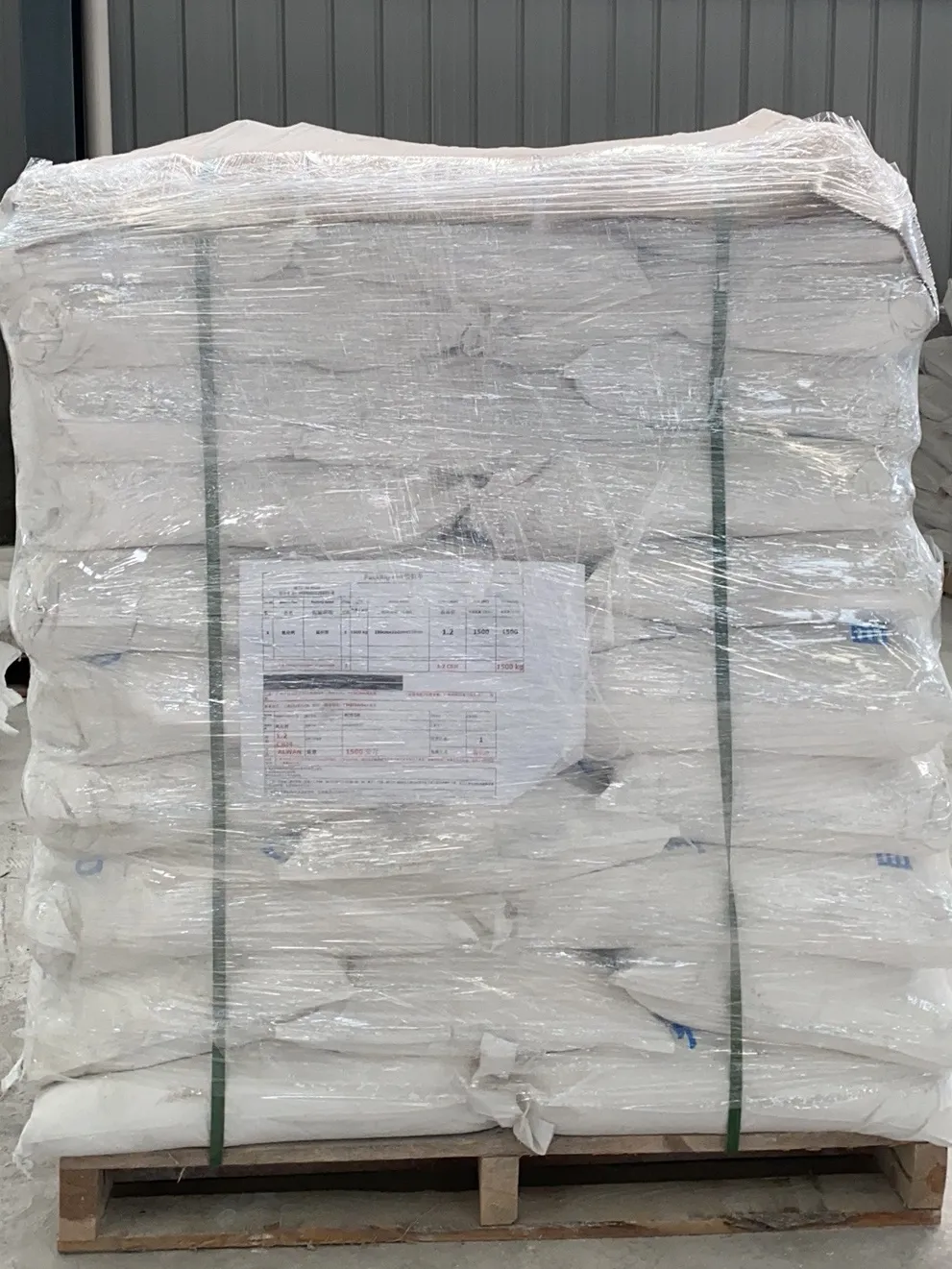
93% Calcium Hydroxide Ca(OH)2 Hydrated Lime White Powder for Bleaching Powder Manufacturing Evaluation
-
ColorWhitePhysical formPowder
-
CAS No.1305-62-0Purity93%
-
Appearancewhite powderApplicationManufacturing Bleaching Powder
-
ClassificationCalcium HydroxideEINECS No.215-137-3
-
Grade StandardIndustrial GradeMolecular FormulaCa(OH)2
-
Other Namesslaked lime
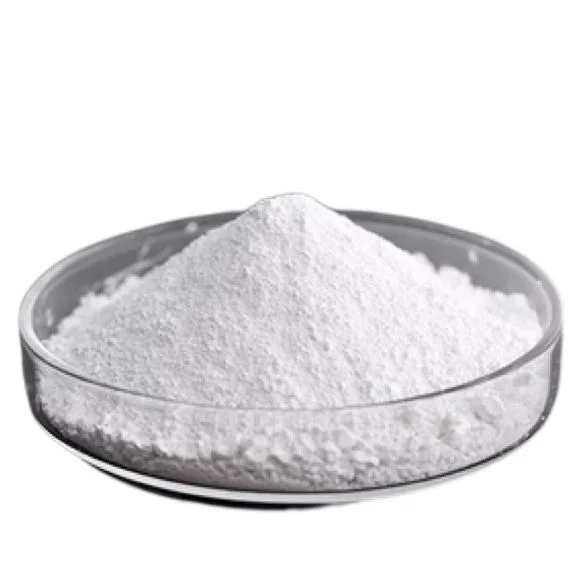
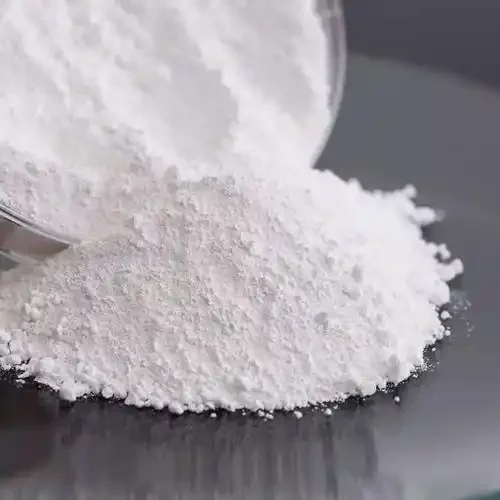
A clearly written sample request can make a 93% calcium hydroxide comparison more useful than a broad application name. This industrial slaked lime is a white Ca(OH)2 powder intended for bleaching-powder manufacturing evaluation. The buyer still needs to define which raw-material tests will decide acceptance.
Start the enquiry with the material you intend to compare
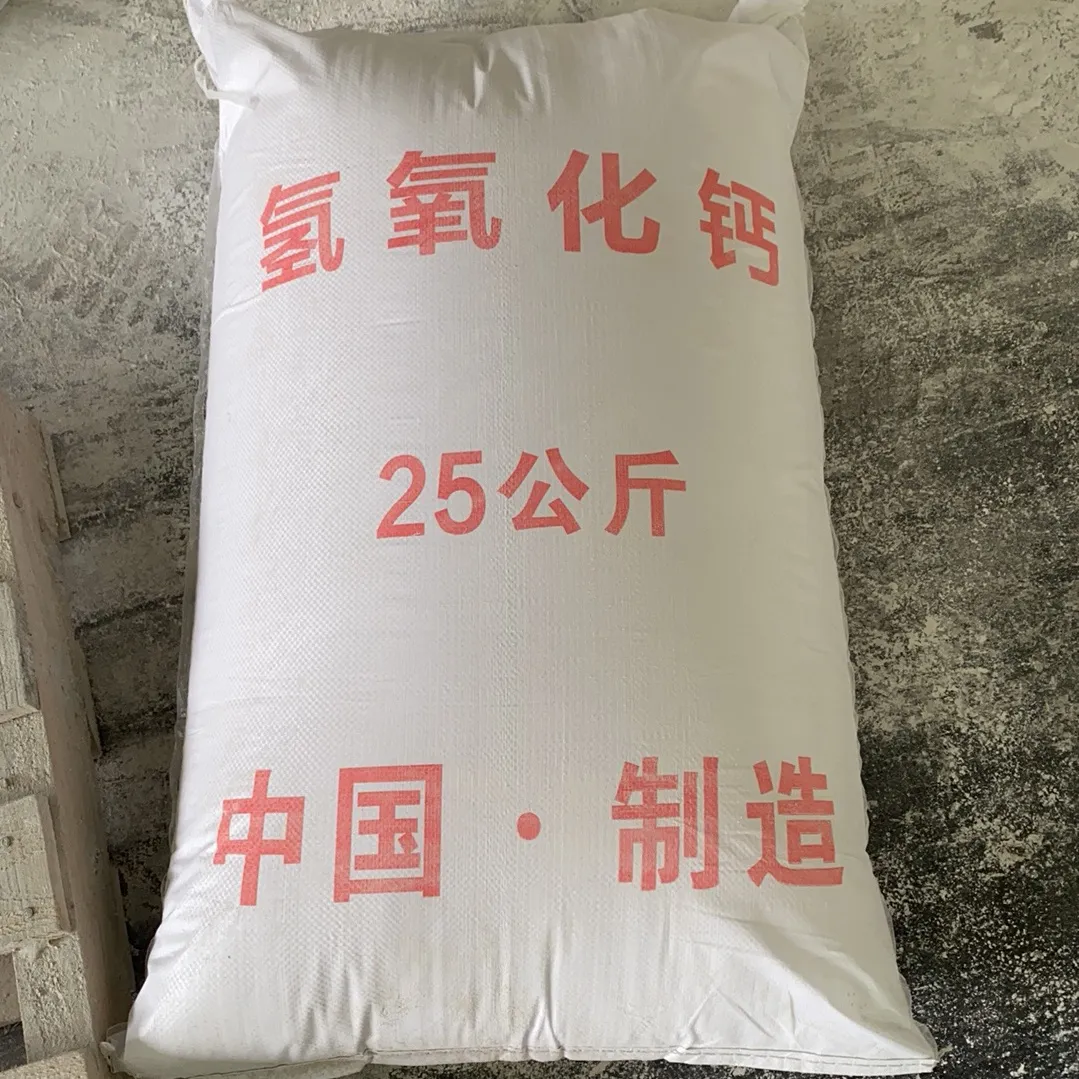
Identify calcium hydroxide, the stated 93% assay and the white-powder form together. The supplied CAS 1305-62-0 can accompany the technical documents. These details describe the input chemical, rather than the composition or performance of a finished bleaching product.
Turn the assay into a complete sample brief
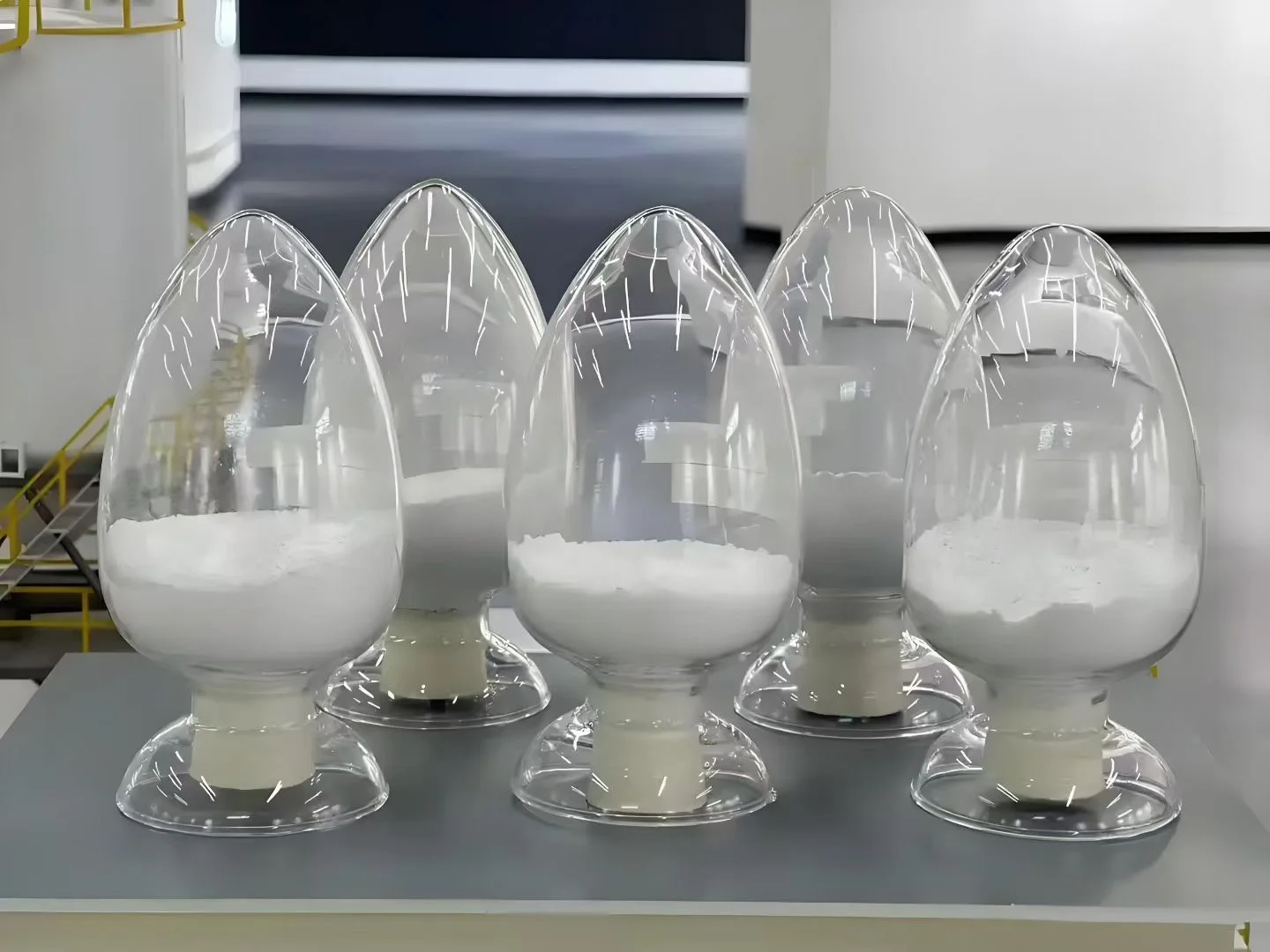
Ask what batch analysis supports the stated purity and which impurity limits apply. Particle information should be requested separately; a purity percentage does not define a mesh grade. Agree on the relevant test methods so that a proposed sample and an alternative material can be compared on the same basis.
- Describe the intended manufacturing use and raw-material acceptance criteria.
- Request assay, impurity and particle documents for the actual grade.
- Review the controlled qualification results before accepting a substitution.
Keep the manufacturing decision separate from the powder description
Bleaching-powder manufacturing is the intended application, but the material still requires evaluation within the buyer's process. White appearance and chemical assay do not establish finished-product quality or production performance. Any operating procedure belongs to the qualified plant process rather than this raw-material description.
A grade-specific evidence package lets purchasing and technical reviewers make the next decision together. It gives the enquiry a clear basis without adding a particle size or manufacturing result that has not been demonstrated.