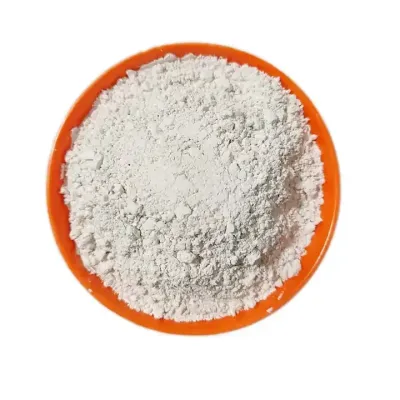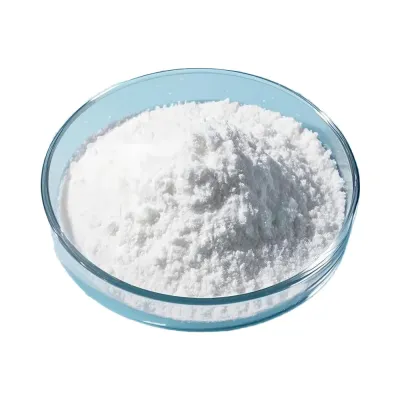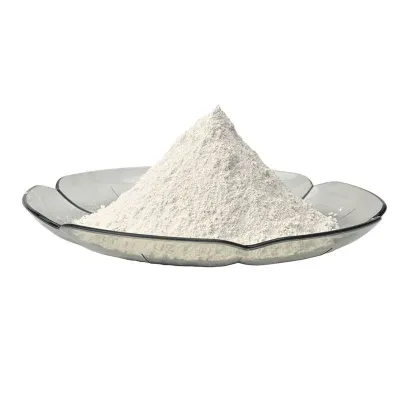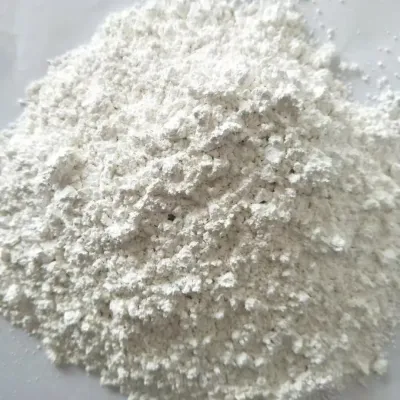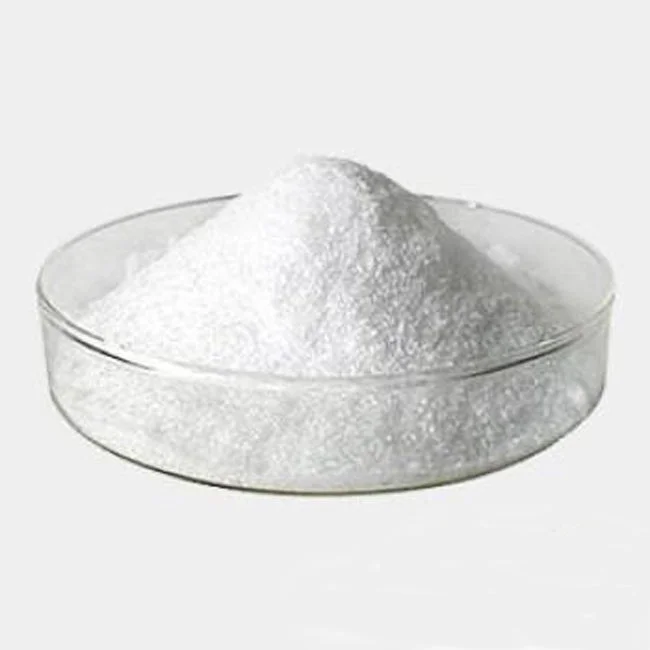
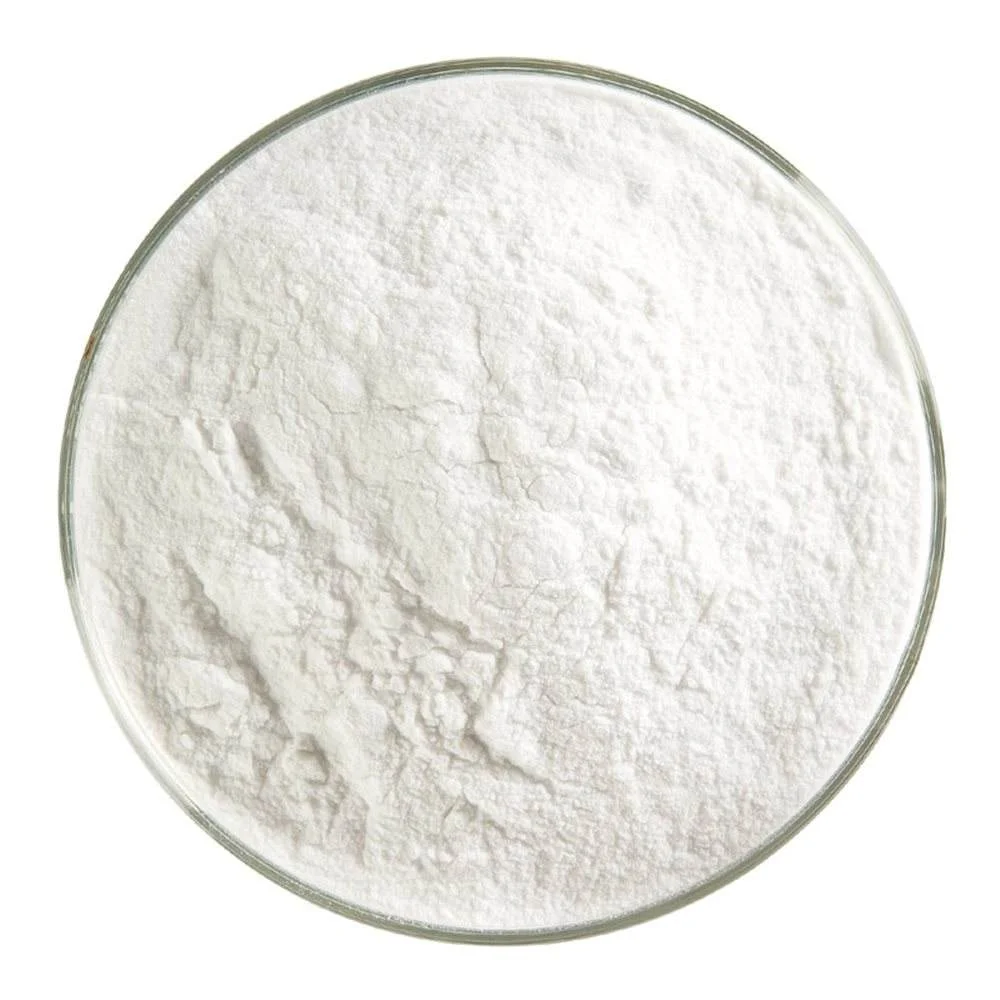
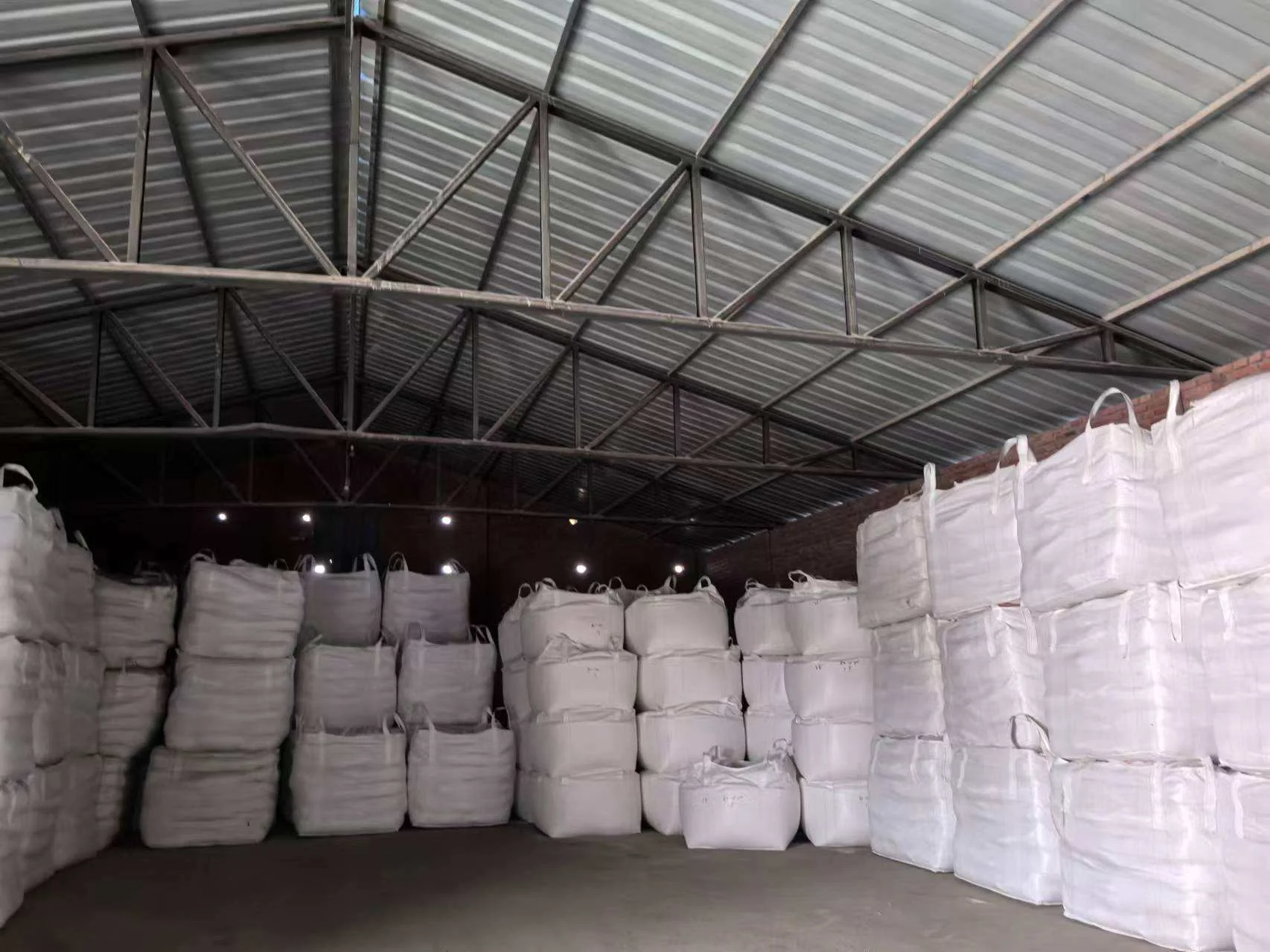
Grade B SiO2 Silica Micropowder, 325 Mesh and 99.0%-99.5% Purity, for Coating, Adhesive and Concrete Enquiries
-
Particle-size designationMesh designationColorWhite
-
Physical formPowder
-
CAS No.7631-86-9Purity99.0%-99.5%
-
Model NumberGrade BAppearanceWhite Powder
-
ApplicationIndustrial Grade: Used in coatings, adhesives, seaClassificationSilica Micro Powder
-
EINECS No.231-544-4Grade StandardIndustrial Grade
-
Molecular FormulaSiO2Other NamesSilica Powder, Quartz Dust, Micro-silica
-
Particle size325meshColorWhite Color
-
GradeIndustrail Grade
Grade B industrial silica micropowder provides an assay and mesh starting point for a technical enquiry. The white SiO2 powder has stated purity of 99.0%-99.5% and a 325mesh designation, while the exact silica form and intended application grade need confirmation.
Confirm the silica form before discussing its role
Request product-specific identity and phase information for the material being proposed. Review it with the matched safety document before treating different silica descriptions as interchangeable. Chemical identity, physical phase and production form answer related but separate questions when selecting an industrial powder.
Use the Grade B measurements on their own basis
Ask how the purity range applies to the offered sample and obtain the assay method and relevant impurity limits. Request the full particle distribution behind the 325mesh designation; it does not provide a measured median diameter. Keep those reports attached to the Grade B identity for a consistent comparison.
- Coatings and adhesives
- Identify the formulation and the filler criteria to be assessed.
- Concrete and refractory enquiries
- Obtain the separate material and application-qualification evidence the project requires.
Qualify the actual sample in its intended system
Review the technical sheet and safety information, then agree a representative trial and acceptance criteria. No concrete reactivity, strength gain, refractory service temperature or high-tech suitability is established here. Record the sample identity and the relevant analysis with the trial outcome so any repeat enquiry specifies the material that was actually assessed.