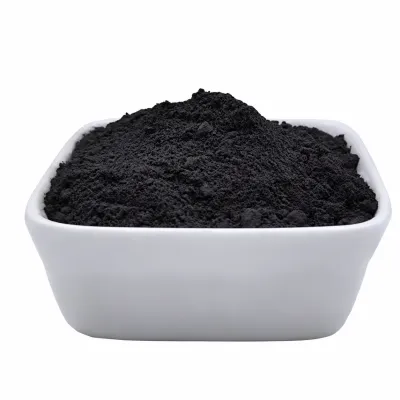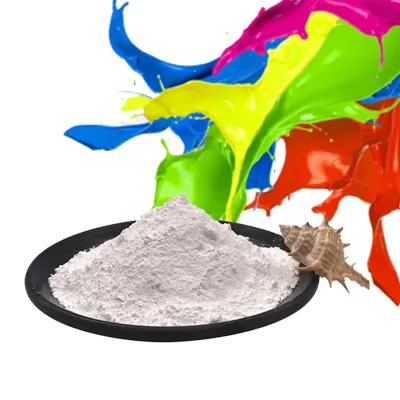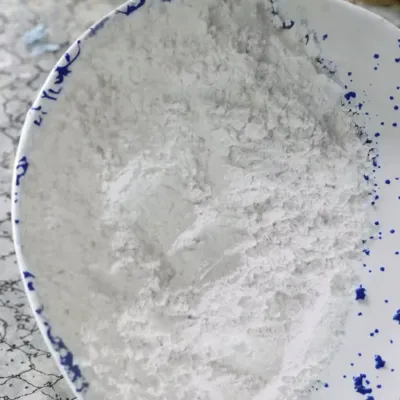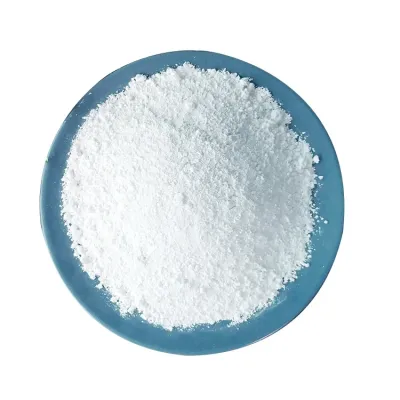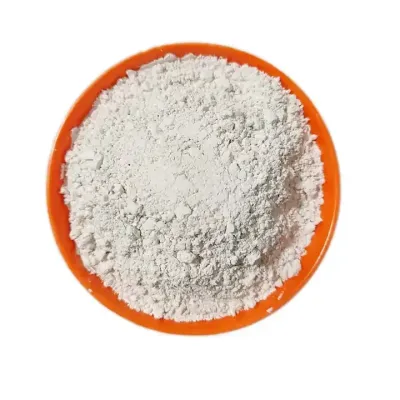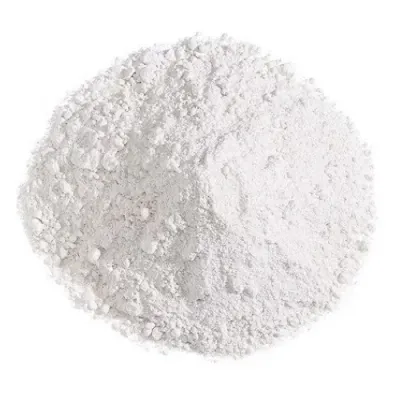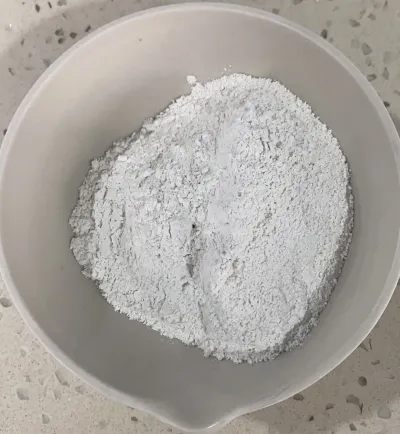
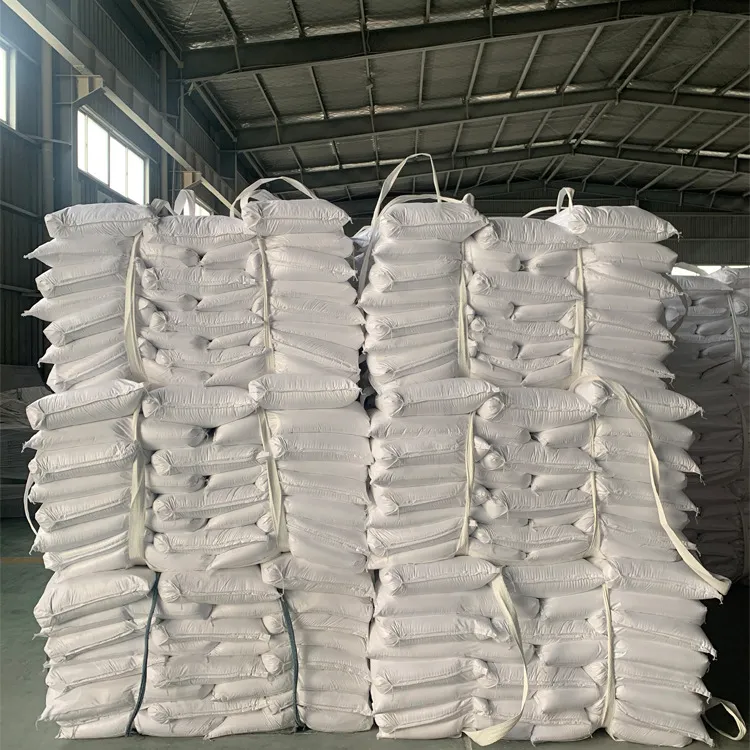
Heavy Activated Calcium Carbonate 96% CaCO3 Industrial White Superfine Powder, 600–3000 Mesh Grade Enquiries
-
Particle-size designationMesh designationColorWhite
-
Physical formPowder
-
CAS No.471-34-1Purity96%
-
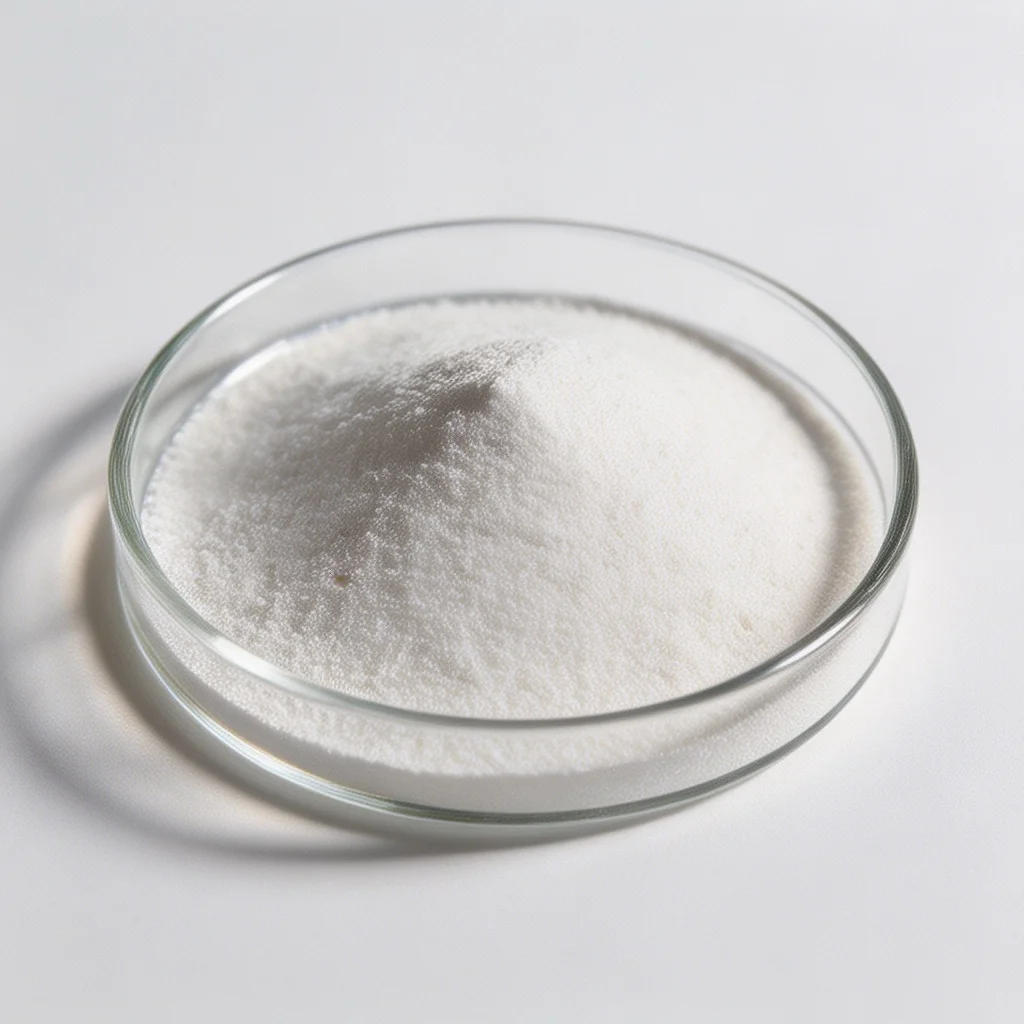
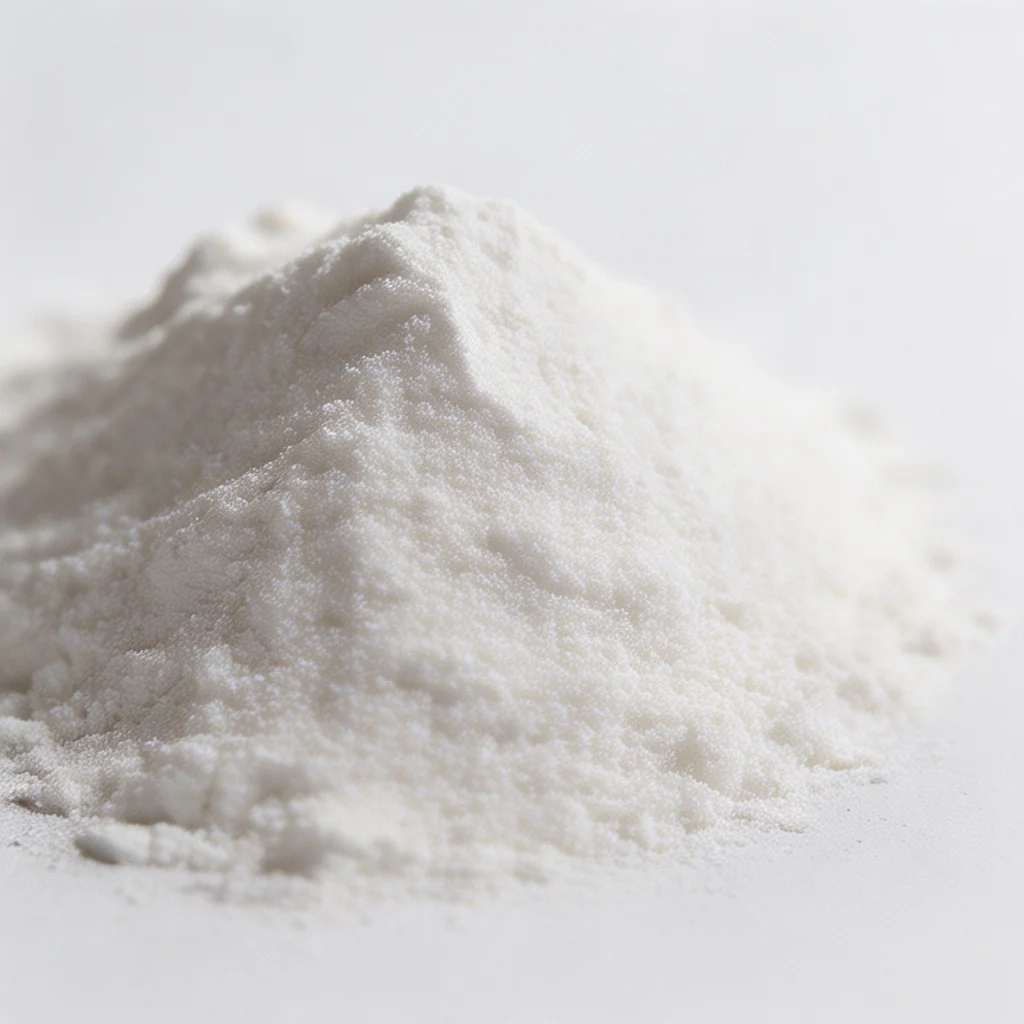
Appearancewhite superfine powerApplicationPaint, Plastic, Rubber, Paper Making, Building
-
ClassificationCarbonateEINECS No.207-439-9
-
Grade StandardIndustrial GradeMolecular FormulaCaCO3
-
Other NamesActivated Calcium CarbonateTypeCalcium Carbonate
Choose a specific mesh model when enquiring about this heavy activated calcium carbonate. The industrial CaCO3 is described as white superfine powder with stated purity 96%, and has seven actual model choices across the 600–3000 Mesh range.
Select a model before comparing particle reports
The choices are 600, 800, 1250, 1500, 2500, 2800 and 3000 Mesh. Request the distribution or sieve report for the model under consideration and confirm its test method. These are discrete grade designations rather than an exact micron distribution or a continuous set of selectable sizes.
Clarify treatment and optical requirements
Ask for the treatment chemistry and evidence associated with the activated grade. Heavy remains a material designation here; it does not by itself establish a production route or numerical density.
- Composition
- Confirm the stated 96% purity and relevant impurities in a current analysis.
- Whiteness
- Request the measured optical result and method needed for acceptance rather than assuming a numerical advantage from white appearance.
Evaluate the selected grade in the intended system
Paint, plastic, rubber, paper making and building are named assessment areas. Describe the actual formulation or process and agree representative conditions for comparing the proposed sample. No dispersion result, coating performance, reinforcement or addition ratio follows from the activated name and mesh range alone. Keep the model reference with current technical and safety reports and the observations so the conclusion applies to the grade and application evaluated.