Heavy Superfine Activated Calcium Carbonate CaCO3 Powder, 96% Industrial Grade, 600–3000 Mesh Models
-
Particle-size designationMesh designationColorWhite
-
Physical formPowder
-
CAS No.471-34-1Purity96%
-
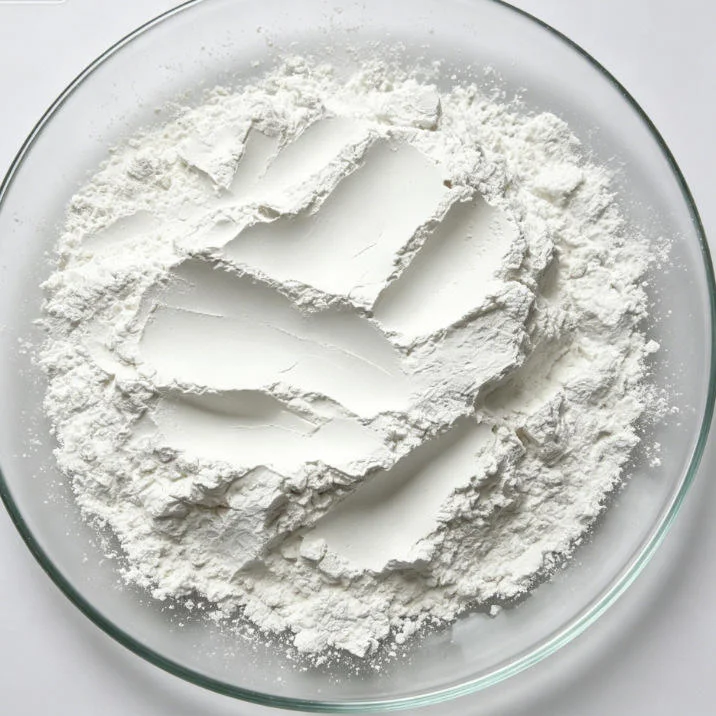
Appearancewhite superfine powerApplicationPaint, Plastic, Rubber, Paper Making, Building
-
ClassificationCarbonateEINECS No.207-439-9
-
Grade StandardIndustrial GradeMolecular FormulaCaCO3
-
Other NamesActivated Calcium CarbonateTypeCalcium Carbonate
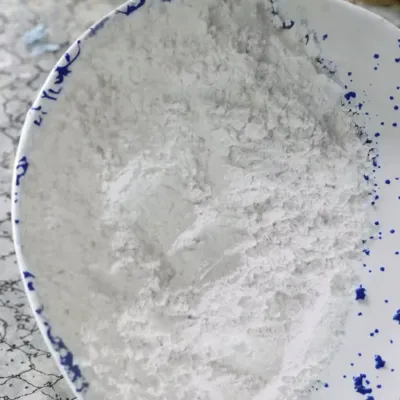
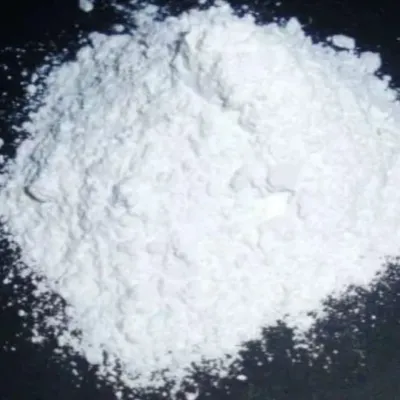
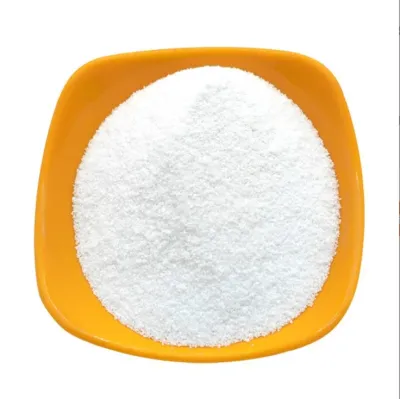
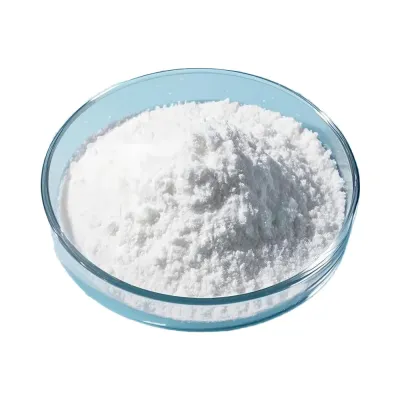
An activated calcium carbonate enquiry should explain the surface-treatment requirements of the intended formulation. This heavy superfine CaCO3 powder is industrial grade, white in appearance and stated at 96% purity.
Establish what activation means for the offered grade
Request a treatment declaration for the actual powder proposed for your system. The activated name does not specify the treatment chemistry or amount, and it should not be used to assume a particular formulation response.
Explain the binder or polymer and the measurements that will decide acceptance. That gives the technical discussion a concrete purpose before a mesh model is chosen.
Match a discrete mesh choice to measured particle data
The actual choices are 600, 800, 1250, 1500, 2500, 2800 and 3000 Mesh. Ask for the particle distribution and method associated with the selected label rather than converting that label into an assumed single particle size.
Composition and powder behaviour also need separate consideration. The 96% assay does not establish moisture, oil absorption or a quantified optical result, so request the relevant measurements when those properties affect the comparison.
Connect the sample with a formulation decision
Paint, plastic, rubber, papermaking and building are the supported enquiry contexts. Choose the appropriate application trial and retain the model-specific documents alongside its results.
For a colour-sensitive use, ask for the whiteness result and test method instead of relying on white appearance. Dispersion, gloss, reinforcement and any replacement ratio should be assessed in the intended material rather than promised from a mesh or activated designation.